
Difference Between Villa, Bungalow, and Mansion
Understanding the difference between villa, bungalow, and mansion structures is essential for luxury real estate. While all three represent high-end living, they differ significantly in architectural DNA, spatial distribution, and lifestyle intent. A villa emphasizes private leisure and modern indoor-outdoor flow; a bungalow focuses on accessible, low-slung, single-story comfort; and a mansion is defined by sheer scale and opulent specialized amenities. At Sumessh Menon & Associates, we analyze these structural nuances to ensure the interior design complements the unique footprint and heritage of your chosen residence.Difference Between Villa and Mansion
The primary difference between villa and mansion properties lies in scale and purpose. A villa is a sophisticated, private retreat often part of an exclusive enclave designed for modern aesthetics and intimate luxury. In contrast, a mansion is a massive estate, typically exceeding 5,000–8,000 square feet, built to showcase status through grand ballrooms, wine cellars, and sprawling grounds. While a villa offers a curated lifestyle experience with a focus on privacy, a mansion provides a monumental scale designed for grand-scale entertaining and multi-generational legacy living.Villa and Bungalow Difference
The villa and bungalow difference centers on verticality and lifestyle. A bungalow is traditionally a single-story dwelling, prioritizing ease of movement and a grounded, cozy aesthetic with iconic wide verandas. Conversely, a villa often spans multiple levels and is synonymous with high-end vacation living, featuring private pools and contemporary glass-heavy architecture. While bungalows offer a nostalgic, community-centric charm, villas are engineered for the elite traveler seeking a secluded, resort-like sanctuary. We tailor our interior approach to enhance the bungalow’s horizontal flow or the villa’s vertical sophistication.What is a Villa?
A villa is an upscale, private residence that traces its roots to Roman country estates. In modern architecture, it represents an exclusive lifestyle sanctuary characterized by its own grounds, private gardens, and often a swimming pool. Unlike standard homes, villas are designed with a focus on “leisure flow,” blending interior living spaces with exterior landscapes. At Sumessh Menon & Associates, we design villa interiors to maximize natural light and ventilation, creating a seamless transition between the chic indoor lounges and the tranquil, sun-drenched outdoor decks.What is a Bungalow?
A bungalow is a classic residential form defined by its low-profile, single-story layout and sloping roofs. Originally designed for tropical climates, bungalows feature expansive front porches or wrap-around verandas that encourage natural cooling and social interaction. They are highly prized for their accessibility, making them ideal for families who prefer a home without the barrier of stairs. Our design philosophy for bungalows focuses on “zonal fluidity,” ensuring that the living, dining, and sleeping quarters feel connected yet distinct within a single, cohesive horizontal plane.What is a Mansion?
A mansion is the pinnacle of residential architecture, defined by extraordinary square footage and bespoke luxury. Beyond having many bedrooms, a mansion must include specialized “extra” rooms such as home theaters, indoor gyms, libraries, or professional-grade kitchens. It is a statement of architectural prowess and personal success. For a mansion to truly shine, the interior design must be as grand as the structure itself. We focus on creating “moments of awe,” using rare materials and custom-scale furniture to fill the vast volumes of space with warmth and unparalleled elegance.
In the world of high-end architecture and interior design, the terms “villa,” “bungalow,” and “mansion” are often used interchangeably. However, for a discerning homeowner or an architect, these labels represent vastly different lifestyles, structural layouts, and design philosophies.
At Sumessh Menon & Associates, we believe that understanding these nuances is the first step toward creating a home that resonates with your personal brand of luxury. Whether you are looking for the sprawling elegance of a mansion or the intimate charm of a bungalow, here is everything you need to know about the differences between these three iconic residence types.
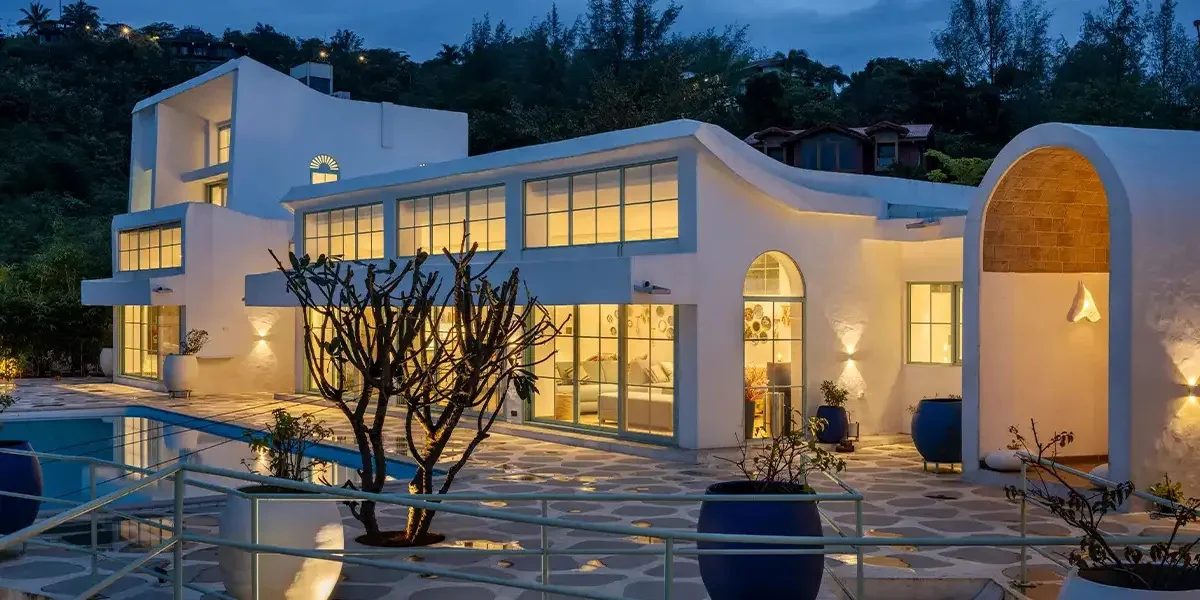
What is a Villa?
The word “villa” carries an air of Mediterranean sophistication. Historically, villas were the country estates of upper-class Romans. Today, a villa is defined by its exclusivity, privacy, and seamless indoor-outdoor flow.
Key Characteristics of a Villa:
1. Privacy First:
Unlike standard houses, villas are often part of a gated community or a private plot, separated from the hustle of the city.
Unlike standard houses, villas are often part of a gated community or a private plot, separated from the hustle of the city.
2. Lifestyle Amenities:
They typically feature private pools, manicured gardens, and expansive patios.
They typically feature private pools, manicured gardens, and expansive patios.
3. Architectural Fluidity:
Modern villas prioritize natural light and ventilation, often featuring floor-to-ceiling glass and open-plan layouts.
Modern villas prioritize natural light and ventilation, often featuring floor-to-ceiling glass and open-plan layouts.
What is a Bungalow?
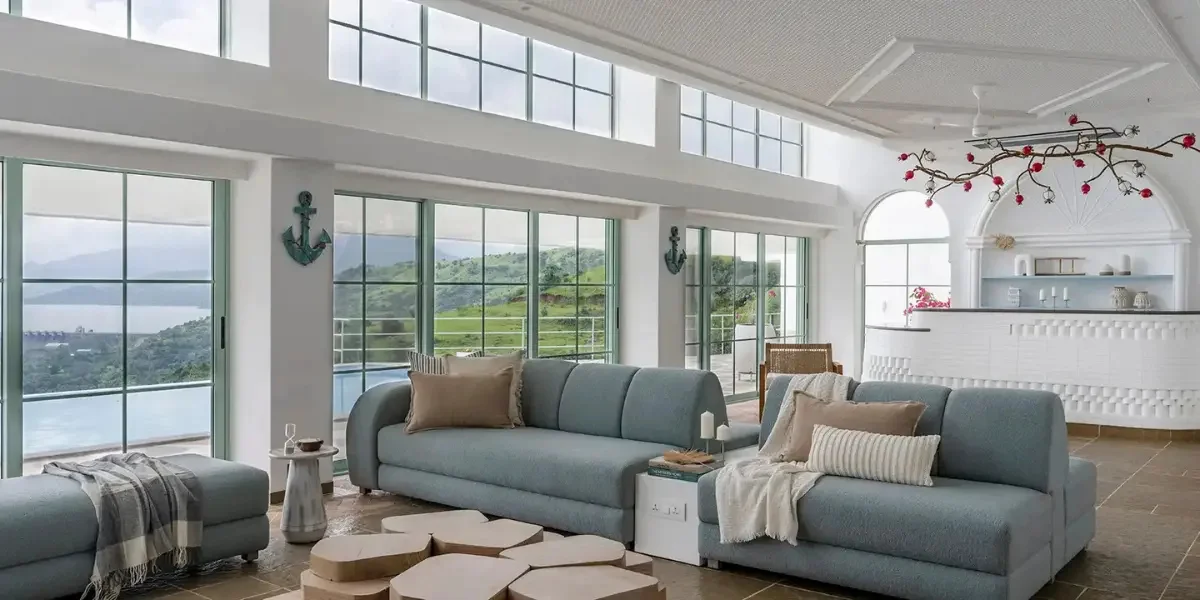
Originating from the Bengal region (hence the name), the bungalow is a hallmark of refined, single-level living. While traditional bungalows were modest, modern luxury bungalows are masterpieces of space management and accessibility.
Key Characteristics of a Bungalow:
1. Single-Story Dominance:
Most bungalows are one story, though some may have a smaller second level (a “dormer” or “half-story”).
Most bungalows are one story, though some may have a smaller second level (a “dormer” or “half-story”).
2. The Veranda:
A quintessential bungalow feature is the wide, wrap-around porch or veranda, perfect for social gatherings.
A quintessential bungalow feature is the wide, wrap-around porch or veranda, perfect for social gatherings.
3. Sloping Roofs:
They often feature pitched roofs and a more “earthy,” grounded aesthetic compared to the verticality of modern villas.
They often feature pitched roofs and a more “earthy,” grounded aesthetic compared to the verticality of modern villas.
What is a Mansion?
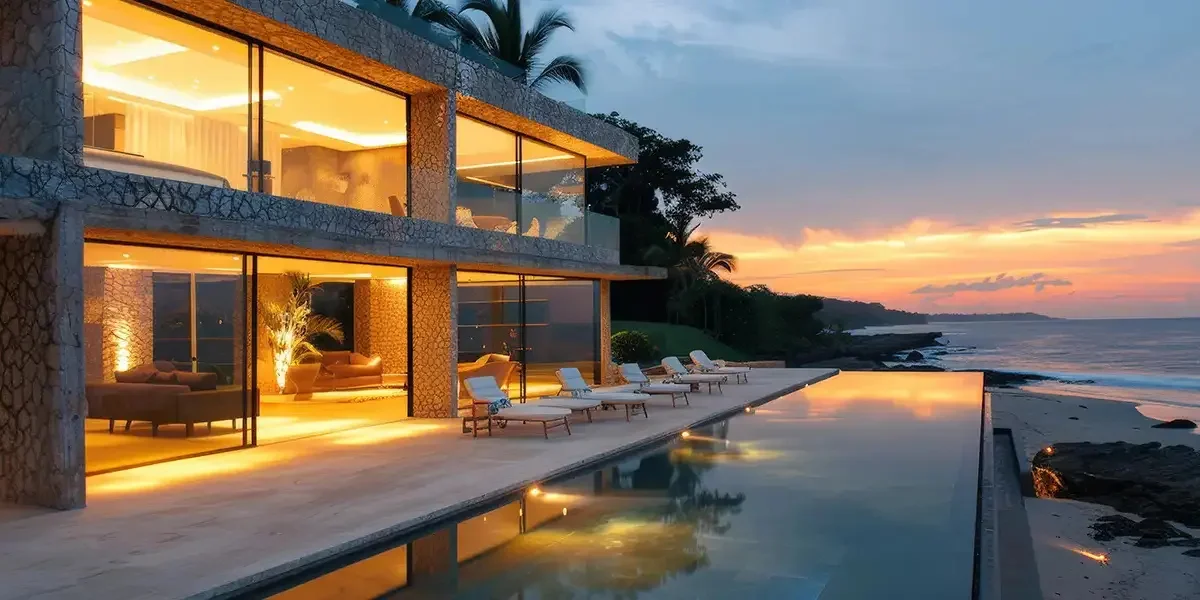
The word “villa” carries an air of Mediterranean sophistication. Historically, villas were the country estates of upper-class Romans. Today, a villa is defined by its exclusivity, privacy, and seamless indoor-outdoor flow.
Key Characteristics of a Mansion:
1. Specialized Rooms:
A mansion goes beyond bedrooms and kitchens. It includes dedicated spaces like home cinemas, wine cellars, ballrooms, and indoor gyms.
A mansion goes beyond bedrooms and kitchens. It includes dedicated spaces like home cinemas, wine cellars, ballrooms, and indoor gyms.
2. Grand Materials:
Expect high-end finishes, think Italian marble, custom woodwork, and bespoke chandeliers.
Expect high-end finishes, think Italian marble, custom woodwork, and bespoke chandeliers.
3. Extensive Grounds:
Mansions sit on vast acreage, often including guest houses, hiking trails, or sports courts.
Mansions sit on vast acreage, often including guest houses, hiking trails, or sports courts.
The Comparison: Villa vs. Bungalow vs. Mansion
To help you visualize the differences at a glance, here is a breakdown of how these three luxury formats compare:
Feature | Villa | Bungalow | Mansion |
Primary Focus | Privacy & Lifestyle | Accessibility & Community | Scale & Opulence |
Storeys | Usually 1–2 levels | Traditionally 1 level | Multiple levels |
Outdoor Space | Private gardens/pools | Large front porches | Extensive estate grounds |
Interior Style | Modern & Fluid | Cozy & Functional | Grand & Decorative |
Square Footage | 2,000 – 5,000+ sq. ft. | 1,000 – 4,000 sq. ft. | 8,000+ sq. ft. |
Architectural and Design Nuances
The Flow of Space
At Sumessh Menon & Associates, our design approach changes based on the structure.
1. In a Villa, we focus on “the view,” ensuring that every room has a visual connection to the courtyard or pool.
2. In a Bungalow, the challenge is horizontal flow making sure the transition between living and sleeping quarters is seamless without the need for stairs.
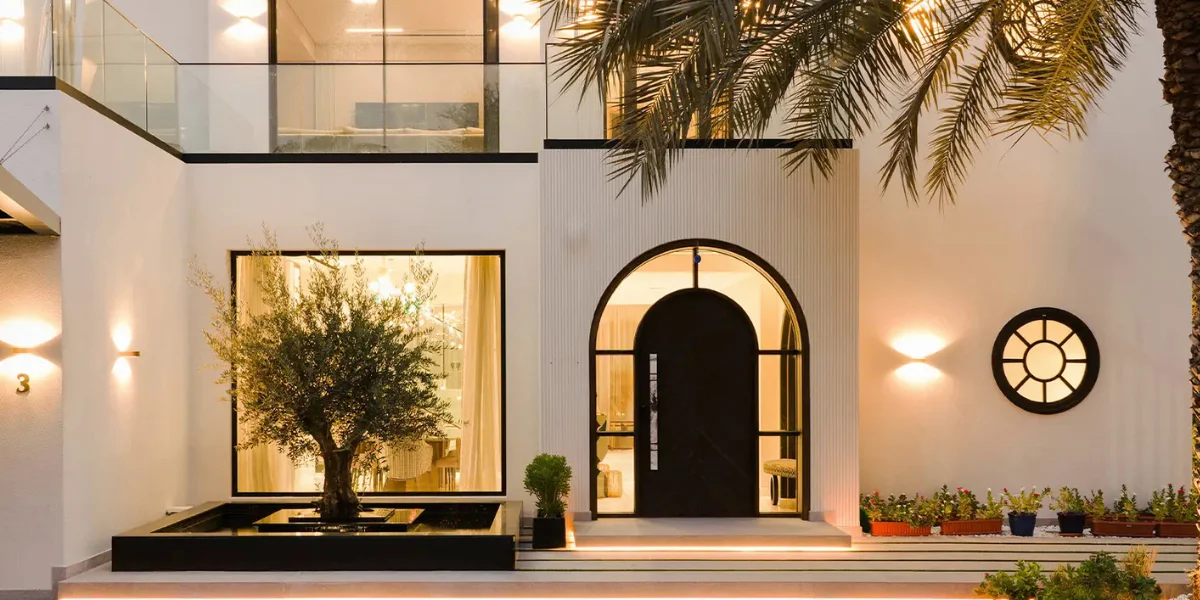
3. In a Mansion, the focus is on “The Grand Entrance.” The foyer must set a tone of awe that carries through the rest of the expansive property.
Purpose and Utility
1. Villas are often treated as vacation homes or secondary residences. They are designed for relaxation.
2. Bungalows are popular for multi-generational families or seniors because of the lack of stairs and easy accessibility.
3. Mansions are designed for entertaining. They are built to host large galas, corporate guests, and extended family stays.
Which One is Right for You?
Choosing between a villa, a bungalow, and a mansion depends on your lifestyle needs and the legacy you wish to build.
1. Choose a Villa if:
You value privacy, enjoy modern amenities, and want a home that feels like a permanent getaway.
You value privacy, enjoy modern amenities, and want a home that feels like a permanent getaway.
2. Choose a Bungalow if:
You prefer a cozy, classic aesthetic and want a home that is easy to navigate without stairs.
You prefer a cozy, classic aesthetic and want a home that is easy to navigate without stairs.
3. Choose a Mansion if:
You have a large family, require specialized rooms for your hobbies, and want a home that reflects your status and success.
You have a large family, require specialized rooms for your hobbies, and want a home that reflects your status and success.
Conclusion: Designing Your Dream with Sumessh Menon & Associates
Whether it’s the sleek lines of a Mediterranean villa, the classic comfort of a luxury modern bungalow, or the sheer grandeur of a sprawling mansion, the architecture is only half the story. The true soul of a home lies in its interior design.
At Sumessh Menon & Associates, we specialize in transforming these structural shells into bespoke sanctuaries. From custom-crafted furniture to avant-garde lighting installations, we ensure your home, regardless of its label, is a reflection of you.
Ready to redefine your living space? Let’s build something extraordinary together.
FAQ's
The main difference is the layout and intent. Villas are often part of a gated complex and focus on private luxury and modern amenities, whereas bungalows are traditionally single-story dwellings with large verandas focused on accessibility.
While definitions vary, most real estate experts consider a home over 5,000–8,000 square feet to be a mansion, provided it also features high-end architectural details and luxury amenities.
Generally, yes. Because villas often come with private amenities like pools and are located in exclusive enclaves, they carry a higher price tag than a standard bungalow of similar size.
A bungalow is a compact, low-profile home typically featuring one or one-and-a-half stories, a sloping roof, and a wide front porch. Known for their open floor plans and efficient use of space, these homes emphasize a cozy, horizontal design that blends indoor and outdoor living.
A mansion is a grand, impressive dwelling characterized by its massive size, high-end architectural details, and a vast number of rooms dedicated to luxury and entertainment. Unlike standard homes, a mansion typically sits on a significant plot of land and features premium amenities such as ballrooms, private cinemas, or expansive gardens.


