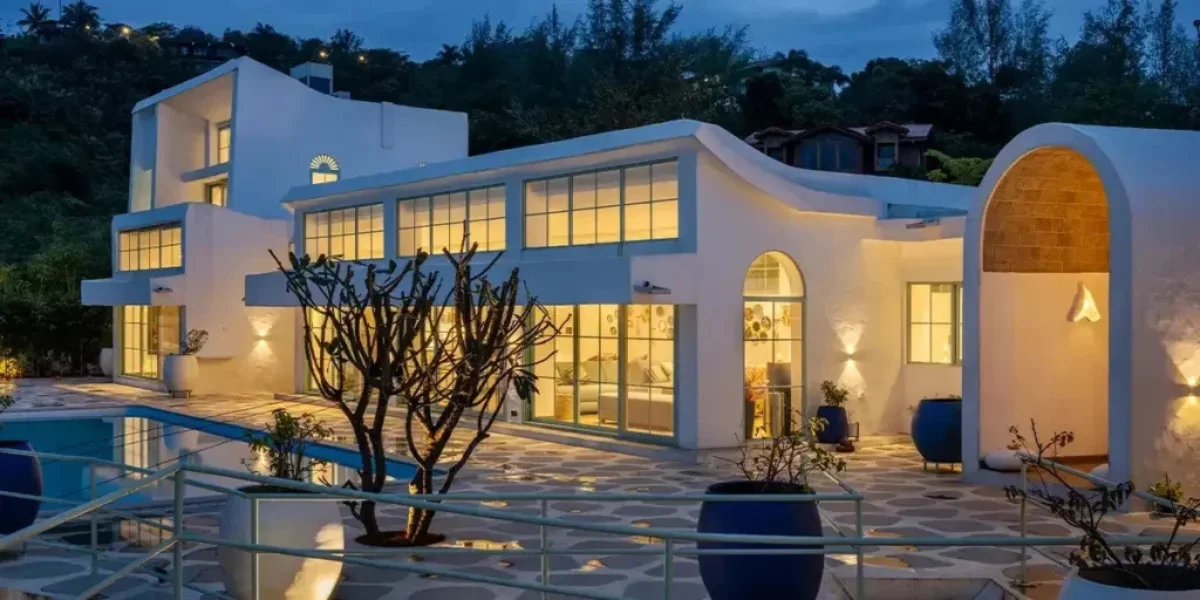

Importance of Interior Designing
Interior designing is more than just aesthetics; it’s a holistic approach to shaping our living and working environments. It encompasses functionality, psychology, and practicality, impacting our mood, productivity, and overall well-being. A well- designed space optimizes space utilization, promotes comfort, and reflects personal style. Investing in interior design elevates daily life, creates inspiring atmospheres, and can even increase property value. By understanding key principles and elements, we can create spaces that enhance our lives in meaningful ways.
Benefits of Interior Design
The benefits of interior design are extensive and far-reaching. Beyond aesthetics, it improves functionality, creating efficient and comfortable spaces. It positively impacts our psychological well-being by reducing stress, improving mood, and promoting creativity. Interior design can also increase property value, attract potential buyers, and enhance brand image for businesses. Investing in professional interior design leads to a more fulfilling, productive, and enjoyable environment for all. Ultimately, it provides a quality lifestyle.
Importance of Commercial Interior Design
Commercial interior design is crucial for creating successful business environments. It impacts employee productivity, customer experience, and brand image. A well-designed commercial space enhances workflow, promotes collaboration, and creates a positive atmosphere for both employees and clients. Strategic use of space, color, and lighting reinforces brand identity, attracts customers, and contributes to increased profitability. Investing in commercial interior design is an investment in the success and growth of the business.
Interior Designer for Homes
Hiring an interior designer for your home can transform your living space into a haven of comfort, style, and functionality. An experienced designer will assess your needs, develop a personalized design plan, and manage the entire project from concept to completion. They can help you select furniture, choose color palettes, optimize space, and create an environment that reflects your unique personality and lifestyle. Investing in a professional interior designer ensures a well-designed home that enhances your well-being and quality of life.
Introduction to Interior Design
Interior design is the art and science of enhancing the interior of a building to achieve a healthier and more aesthetically pleasing environment for the people using the space. It involves planning, researching, coordinating, and managing such enhancement projects. It encompasses a wide range of elements, including space planning, furniture selection, lighting design, and color coordination. Understanding the principles of interior design allows us to create functional, comfortable, and beautiful spaces that enrich our lives.
In today’s visually driven world, the spaces we inhabit exert a significant influence on our daily experiences. Interior designing, often mistakenly seen as merely an aesthetic pursuit, is, in reality, a multi-faceted discipline that profoundly affects our physical, psychological, and emotional well-being. It’s much more than selecting colors and arranging furniture; it’s about creating functional, comfortable, and inspiring environments that elevate our lives. Whether you’re considering home interior design or outfitting a commercial space, the principles remain the same: form follows function, and aesthetics enhance the experience. Understanding the most important interior design principles, such as balance, harmony, rhythm, emphasis, proportion, and scale, is crucial. These principles guide the use of important elements of interior design like space, line, form, light, color, texture, and pattern to create cohesive and impactful interiors.
The Functional Foundation: Optimizing Space and Flow for Daily Living

At its core, effective interior design addresses the practical needs of those occupying the space. A well-designed interior maximizes space utilization, making even compact areas feel more expansive and efficient. Consider these key aspects of functional design, critical for both residential interiors and commercial interiors:
• Space Planning:
This involves the strategic placement of furniture and fixtures to optimize usable space and create unobstructed pathways. An interior designer for homes can assess traffic patterns and develop layouts that minimize congestion and facilitate ease of movement. Imagine a kitchen where the refrigerator, stove, and sink are arranged in a triangle to minimize steps during meal preparation, a cornerstone of efficient home interior design.
This involves the strategic placement of furniture and fixtures to optimize usable space and create unobstructed pathways. An interior designer for homes can assess traffic patterns and develop layouts that minimize congestion and facilitate ease of movement. Imagine a kitchen where the refrigerator, stove, and sink are arranged in a triangle to minimize steps during meal preparation, a cornerstone of efficient home interior design.
• Ergonomics:
Ergonomics emphasizes designing spaces and furniture to conform to the human body, thereby minimizing strain and discomfort. In a home office, an ergonomic chair, an adjustable desk, and correct monitor positioning can prevent back pain, neck strain, and eye fatigue, leading to improved productivity and overall well-being. This is a key element considered by reputable interior design firms.
Ergonomics emphasizes designing spaces and furniture to conform to the human body, thereby minimizing strain and discomfort. In a home office, an ergonomic chair, an adjustable desk, and correct monitor positioning can prevent back pain, neck strain, and eye fatigue, leading to improved productivity and overall well-being. This is a key element considered by reputable interior design firms.
• Storage Solutions:
Clutter can contribute to stress and anxiety. Effective interior design incorporates intelligent storage solutions to keep items organized and out of sight. Built-in shelving, multi-functional furniture with concealed storage, and well-organized closets can transform a chaotic space into a serene sanctuary.
Clutter can contribute to stress and anxiety. Effective interior design incorporates intelligent storage solutions to keep items organized and out of sight. Built-in shelving, multi-functional furniture with concealed storage, and well-organized closets can transform a chaotic space into a serene sanctuary.
• Accessibility:
Inclusive design ensures that spaces are accessible to everyone, regardless of their abilities. This includes features like ramps, wider doorways, grab bars, and adjustable countertops that make it easier for individuals with mobility challenges to navigate and use the space comfortably. The interior design process should always consider accessibility.
Inclusive design ensures that spaces are accessible to everyone, regardless of their abilities. This includes features like ramps, wider doorways, grab bars, and adjustable countertops that make it easier for individuals with mobility challenges to navigate and use the space comfortably. The interior design process should always consider accessibility.
The Psychological Impact: Shaping Mood and Behavior Through Design

Beyond functionality, interior design profoundly impacts our psychological state and overall wellness. The colors, textures, lighting, and overall ambiance of a space can influence our mood, emotions, and even our behavior. Understanding interior design aesthetics is crucial here, as is the skilled application of important elements of interior design. The effects on wellness are multifaceted:
• Color Psychology:
Colors possess the power to evoke various emotions. Cool colors like blue and green are often associated with calmness and tranquility, making them ideal for bedrooms and bathrooms. Warm colors like red and orange can create a sense of energy and excitement, making them suitable for living rooms and dining areas. A skilled interior designer for homes understands the nuances of color psychology and can use color palettes to create the desired atmosphere in each room.
Colors possess the power to evoke various emotions. Cool colors like blue and green are often associated with calmness and tranquility, making them ideal for bedrooms and bathrooms. Warm colors like red and orange can create a sense of energy and excitement, making them suitable for living rooms and dining areas. A skilled interior designer for homes understands the nuances of color psychology and can use color palettes to create the desired atmosphere in each room.
• Lighting Design:
Lighting plays a vital role in setting the mood and creating visual interest. Natural light is highly valued for its positive effects on mood and productivity. Artificial lighting can be used to supplement natural light and create different effects. Ambient lighting provides overall illumination, task lighting focuses on specific areas, and accent lighting highlights architectural features or artwork.
Lighting plays a vital role in setting the mood and creating visual interest. Natural light is highly valued for its positive effects on mood and productivity. Artificial lighting can be used to supplement natural light and create different effects. Ambient lighting provides overall illumination, task lighting focuses on specific areas, and accent lighting highlights architectural features or artwork.
• Texture and Materials:
The textures and materials used in a space can also influence our emotional response. Soft, plush fabrics like velvet and wool create a sense of comfort and luxury, while natural materials like wood and stone can evoke a feeling of warmth and connection to nature.
The textures and materials used in a space can also influence our emotional response. Soft, plush fabrics like velvet and wool create a sense of comfort and luxury, while natural materials like wood and stone can evoke a feeling of warmth and connection to nature.
• Personalization and Identity:
Interior designing provides an opportunity to express our personal style and create a space that reflects our identity. Displaying cherished possessions, artwork, and photographs can make a house feel like a home and create a sense of belonging. Interior design styles can be tailored to reflect individual personalities.
Interior designing provides an opportunity to express our personal style and create a space that reflects our identity. Displaying cherished possessions, artwork, and photographs can make a house feel like a home and create a sense of belonging. Interior design styles can be tailored to reflect individual personalities.
The Practical Benefits: Increased Value and Marketability in Real Estate

Investing in professional interior design can also yield practical benefits, such as increasing the value and marketability of your home. Many interior design firms offer services specifically tailored to enhance property value.
• Increased Property Value:
A well-designed interior can significantly increase the perceived value of a property. Potential buyers are often willing to pay more for a home that is stylish, functional, and move-in ready.
A well-designed interior can significantly increase the perceived value of a property. Potential buyers are often willing to pay more for a home that is stylish, functional, and move-in ready.
• Improved Marketability:
In a competitive real estate market, a well-designed interior can help a property stand out. Staging a home with stylish furniture, accessories, and décor can create a positive first impression and attract more potential buyers. This is a service that many interior design firms specialize in.
In a competitive real estate market, a well-designed interior can help a property stand out. Staging a home with stylish furniture, accessories, and décor can create a positive first impression and attract more potential buyers. This is a service that many interior design firms specialize in.
• Cost Savings:
While hiring an interior designer for homes might seem like an added expense, it can save you money in the long A designer can help you avoid costly mistakes, such as choosing the wrong furniture size or paint color. They can also negotiate discounts with suppliers and contractors. The interior design process includes careful budgeting and planning.
While hiring an interior designer for homes might seem like an added expense, it can save you money in the long A designer can help you avoid costly mistakes, such as choosing the wrong furniture size or paint color. They can also negotiate discounts with suppliers and contractors. The interior design process includes careful budgeting and planning.
• Time Savings:
Designing an interior can be a time-consuming process. An interior designer for homes can handle all aspects of the project, from space planning to furniture selection to installation, freeing up your time and energy.
Designing an interior can be a time-consuming process. An interior designer for homes can handle all aspects of the project, from space planning to furniture selection to installation, freeing up your time and energy.
Sustainability and Well-being: Designing for a Healthier Future with Modern Trends

In today’s world, sustainability and well-being are increasingly important considerations in interior design. Keeping up with interior design trends is important, but sustainability should be a priority.
• Sustainable Materials:
Choosing eco-friendly materials like bamboo, reclaimed wood, and recycled glass can reduce the environmental impact of your home interior design project.
Choosing eco-friendly materials like bamboo, reclaimed wood, and recycled glass can reduce the environmental impact of your home interior design project.
• Energy Efficiency:
Incorporating energy-efficient lighting, appliances, and insulation can lower your energy bills and reduce your carbon footprint.
Incorporating energy-efficient lighting, appliances, and insulation can lower your energy bills and reduce your carbon footprint.
• Indoor Air Quality:
Using low-VOC paints, natural cleaning products, and proper ventilation can improve indoor air quality and create a healthier living environment.
Using low-VOC paints, natural cleaning products, and proper ventilation can improve indoor air quality and create a healthier living environment.
• Biophilic Design:
Biophilic design incorporates natural elements into the built environment, such as plants, natural light, and views of nature. Studies have shown that biophilic design can reduce stress, improve mood, and increase productivity. This is a growing trend in both residential interiors and commercial interiors.
Biophilic design incorporates natural elements into the built environment, such as plants, natural light, and views of nature. Studies have shown that biophilic design can reduce stress, improve mood, and increase productivity. This is a growing trend in both residential interiors and commercial interiors.
Beyond Aesthetics: The Holistic Approach to Better Living
In conclusion, the importance of interior design extends far beyond mere aesthetics. It’s a holistic discipline that considers the functional, psychological, and practical needs of the people using a space. Good interior design can optimize space, improve mood, increase property value, and promote sustainability and well-being. Whether you’re renovating your home, designing a new office, or simply looking to improve your living environment, investing in professional interior design can have a profound and positive impact on your life. It’s about creating spaces that not only look beautiful but also enhance the way we live, work, and interact with the world around us. Interior designing is an investment in your well-being, your productivity, and your overall quality of life. It’s about creating spaces that support your dreams, inspire your creativity, and nurture your soul, all while reflecting your chosen interior design styles. Remember to research different interior design firms to find the best fit for your needs.
FAQ's
Interior designing is crucial because it shapes our environment, influencing our well-being, productivity, and daily experiences. It goes beyond aesthetics, optimizing space, improving functionality, and creating atmospheres that impact our mood and behavior. A well-designed interior enhances comfort, expresses personal style, and can even increase property value.
Interior designers provide expertise in creating functional and aesthetically pleasing spaces. They assess needs, develop design plans, select materials, manage budgets, and oversee installation. They bring creativity and technical knowledge to optimize space, improve flow, enhance mood, and create environments tailored to individual or business requirements, ultimately improving quality of life.
In hospitality, interior design is paramount for creating memorable guest experiences. It influences brand perception, impacts customer satisfaction, and drives repeat business. A well-designed hotel or restaurant enhances ambiance, provides comfort, reinforces the brand identity, and creates a positive impression, attracting guests and contributing to profitability.
The benefits of interior design include improved functionality, increased comfort, enhanced aesthetics, and a positive impact on well-being. It can also increase property value, attract potential buyers, create more productive work environments, and reflect personal style, leading to a more fulfilling and enjoyable living or working experience.
The role of interior design encompasses space planning, furniture selection, color palette development, lighting design, material selection, and project management. It involves creating design concepts, producing drawings, sourcing products, coordinating with contractors, and ensuring that the final result meets client needs while adhering to building codes and regulations.
Interior design is highly important as it directly affects how we interact with and experience our surroundings. It influences our mood, productivity, and overall well-being by creating spaces that are both functional and aesthetically pleasing. Good design enhances daily life and contributes to a more positive and comfortable environment.
An interior designer’s role is to plan, design, and oversee the creation of interior spaces that are functional, safe, and aesthetically pleasing. They collaborate with clients to understand their needs and preferences, develop design solutions, select materials and furnishings, and manage projects to ensure the desired outcome is achieved.