Bungalow vs. Villa
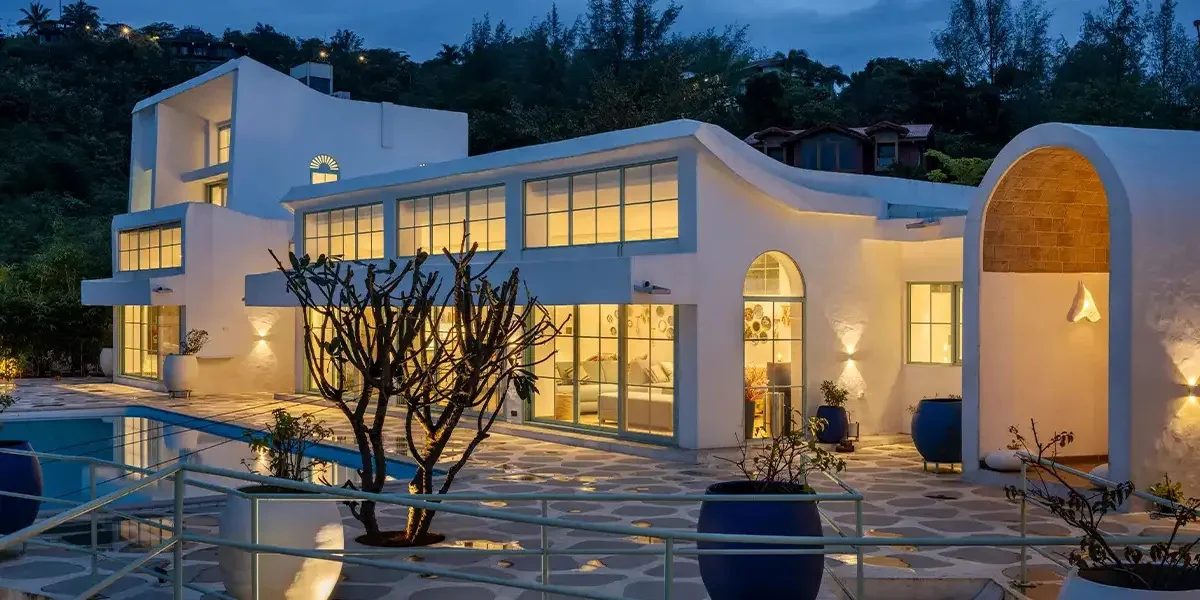
Choosing between a bungalow and a villa is a decision between two distinct philosophies of prestige. While the luxury bungalow celebrates horizontal fluidity and a grounded, organic connection to nature, the villa represents vertical grandiosity and architectural drama. From an interior design perspective, it is a choice between the seamless “resort-style” flow of a single-level estate and the multi-story sophistication of a private palace. Both offer exclusivity, but each caters to a different vision of high-end living.Bungalow Interior Design
The interior design of a luxury bungalow focuses on the “Infinite Floor” concept. By eliminating stairs, designers create a sprawling, barrier-free sanctuary where grand living areas merge into private wings. High-end bungalows utilize floor-to-ceiling glass walls and internal courtyards to pull natural light into the home’s core. The aesthetic leans toward “Quiet Luxury,” using organic materials like wide-plank oak, matte stone, and recessed architectural lighting to create a sophisticated, zen-like atmosphere that feels connected to the earth.Villa Interior Design
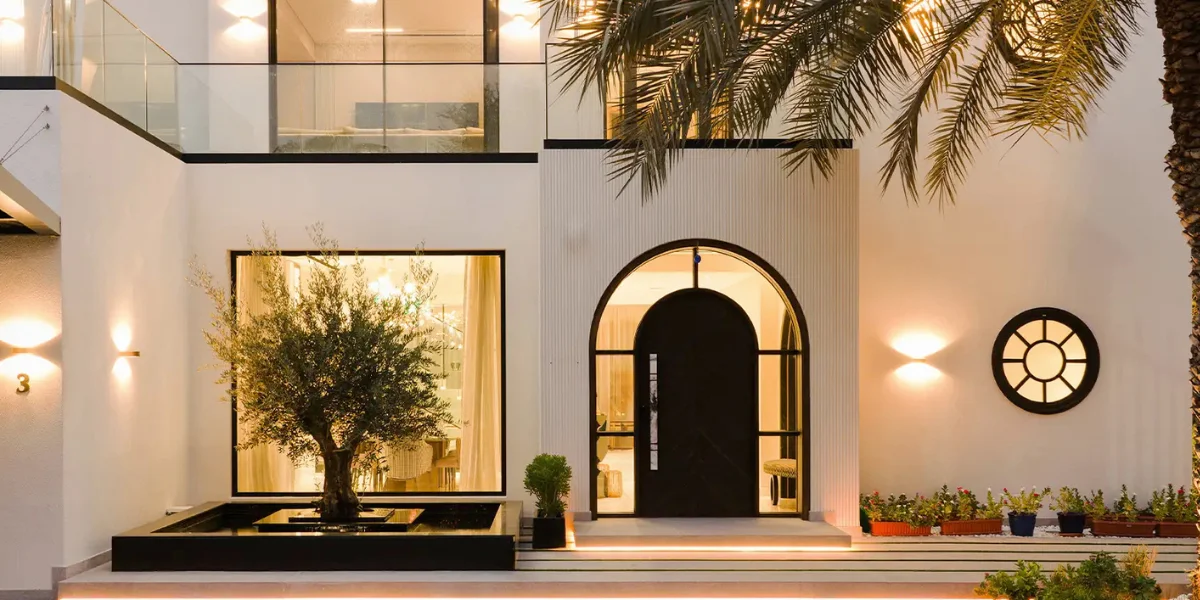
In a luxury villa, the interior design is defined by volume and verticality. The hallmark of villa living is the “Grand Reveal,” often centered around a double-height foyer and a sculptural, ceremonial staircase. This vertical space allows for massive custom chandeliers and ornate ceiling treatments that a bungalow cannot accommodate. Designers use the multiple levels to create distinct lifestyle zones, separating high-traffic entertainment galleries on the ground floor from ultra-private, balcony-clad master suites that offer panoramic views and unparalleled seclusion.
When it comes to high-end real estate, the choice between a bungalow and a villa is rarely about square footage alone. In the world of luxury interior design, these two typologies represent entirely different philosophies of living. One celebrates the seamless, horizontal flow of space, while the other thrives on vertical drama and architectural layers.
If you are planning your next dream estate, understanding the design DNA of each is crucial. Here is the definitive guide to the bungalow vs. villa debate, viewed through the lens of ultra-luxury interior concepts.
1. Defining the Luxury Archetypes
Before we dive into the marble and chandeliers, let’s define what these structures mean in a modern luxury context.
1. The Luxury Bungalow:
A sprawling, single-story masterpiece. In high-end design, the bungalow is the pinnacle of “Organic Modernism.” It is a home that refuses to fight with the horizon, instead spreading across the land to maximize privacy and connection to nature.
A sprawling, single-story masterpiece. In high-end design, the bungalow is the pinnacle of “Organic Modernism.” It is a home that refuses to fight with the horizon, instead spreading across the land to maximize privacy and connection to nature.
2. The Luxury Villa:
A multi-level estate, often found in exclusive enclaves. The villa is the descendant of the Roman country house a symbol of prestige, featuring grand staircases, soaring ceilings, and clearly defined “zones” for social entertaining and private retreat.
A multi-level estate, often found in exclusive enclaves. The villa is the descendant of the Roman country house a symbol of prestige, featuring grand staircases, soaring ceilings, and clearly defined “zones” for social entertaining and private retreat.
2. Spatial Flow: Horizontal Harmony vs. Vertical Grandeur
The most significant difference in interior design lies in how you move through the home.
The Bungalow: The "Infinite Floor" Concept
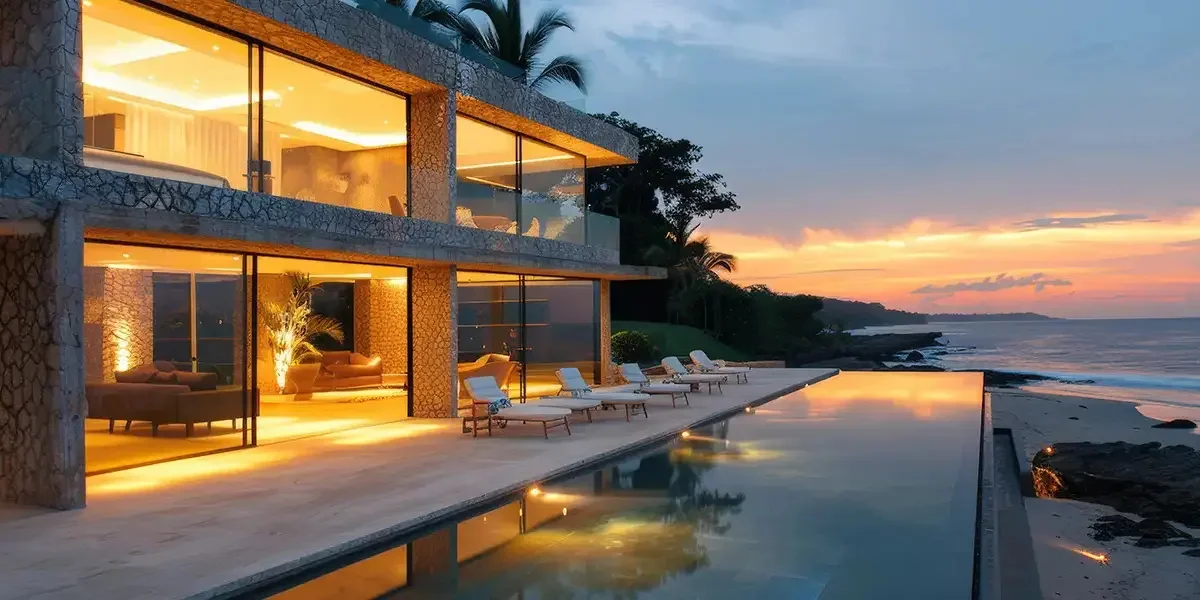
In a luxury bungalow, designers focus on uninterrupted sightlines. Without the need for structural staircases, the interior can breathe.
1. The Design Strategy:
Designers use “visual anchors” like a massive stone fireplace or a central indoor garden to define spaces without using walls.
Designers use “visual anchors” like a massive stone fireplace or a central indoor garden to define spaces without using walls.
2. The Luxury Impact:
There is a psychological sense of ease when you can see from the formal lounge through to the infinity pool at the back. It creates a “resort” feel that multi-story homes struggle to replicate.
There is a psychological sense of ease when you can see from the formal lounge through to the infinity pool at the back. It creates a “resort” feel that multi-story homes struggle to replicate.
The Villa: The "Grand Reveal" Concept
Villas are designed for drama. Because they span multiple floors, the interior design is about the journey.
1. The Design Strategy:
The foyer is the “Hero” of the villa. Double-height or triple-height ceilings (often $20+$ feet) allow for massive architectural statements.
The foyer is the “Hero” of the villa. Double-height or triple-height ceilings (often $20+$ feet) allow for massive architectural statements.
2. The Luxury Impact:
Moving from a grand, marble-clad ground floor to a plush, carpeted “sanctuary” floor provides a sense of transition and ceremony. It feels like a private palace where every floor tells a different story.
Moving from a grand, marble-clad ground floor to a plush, carpeted “sanctuary” floor provides a sense of transition and ceremony. It feels like a private palace where every floor tells a different story.
3. Interior Design Masterclass: Key Elements
Lighting and Volume
1. Bungalows:
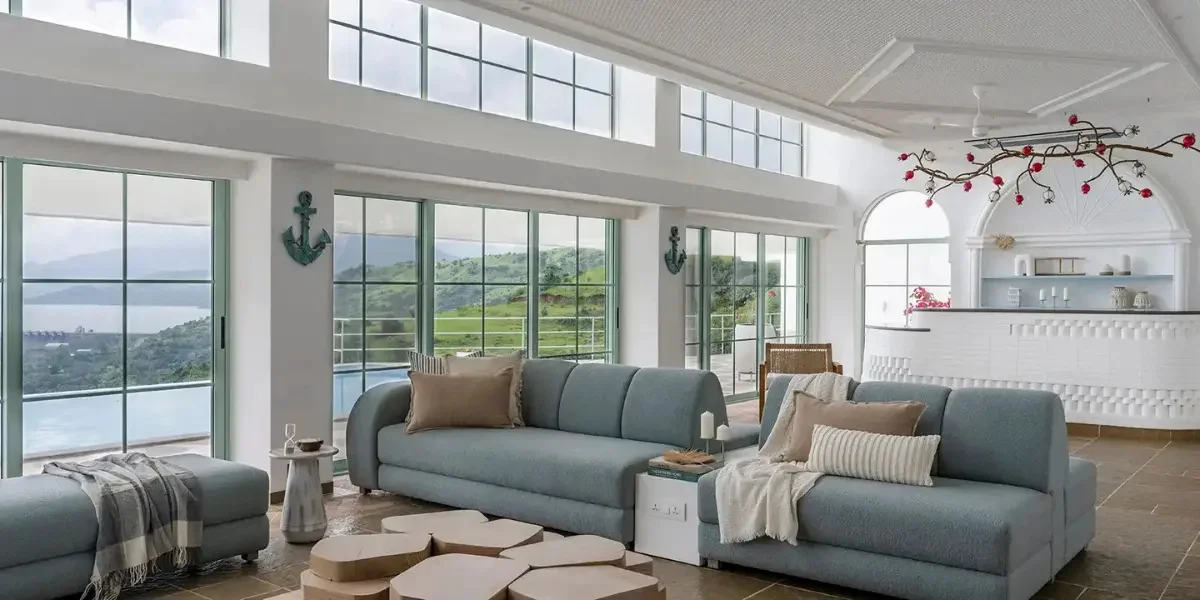
Luxury bungalows utilize skylights and clerestory windows. Since the roof is directly above the living space, designers can “punch through” to bring in natural light from above. Lighting is often low-profile recessed LEDs and architectural “washers” that highlight textures on the walls.
Luxury bungalows utilize skylights and clerestory windows. Since the roof is directly above the living space, designers can “punch through” to bring in natural light from above. Lighting is often low-profile recessed LEDs and architectural “washers” that highlight textures on the walls.
2. Villas:
Lighting in a villa is theatrical. Massive custom chandeliers serve as the centerpiece of the void. Designers also use “vertical lighting” sconces that direct light upward to emphasize the height of the columns and the intricacy of the ceiling moldings.
Lighting in a villa is theatrical. Massive custom chandeliers serve as the centerpiece of the void. Designers also use “vertical lighting” sconces that direct light upward to emphasize the height of the columns and the intricacy of the ceiling moldings.
The Master Suite
1. Bungalows:
The Master Suite is usually a “Private Wing.” It often features a private terrace or an outdoor “jungle shower” accessible only from the bedroom. It feels connected to the earth.
The Master Suite is usually a “Private Wing.” It often features a private terrace or an outdoor “jungle shower” accessible only from the bedroom. It feels connected to the earth.
2. Villas:
The Master Suite is often a “Penthouse.” Occupying the top floor, it offers panoramic views, private balconies, and a level of isolation from the rest of the house that provides ultimate privacy.
The Master Suite is often a “Penthouse.” Occupying the top floor, it offers panoramic views, private balconies, and a level of isolation from the rest of the house that provides ultimate privacy.
Flooring and Transitions
1. Bungalows:
To maintain the “infinite” look, designers often use seamless flooring. Imagine $120 \times 240$ cm large-format porcelain or poured terrazzo that runs from the living room directly out onto the pool deck, with “hidden” tracks for glass doors.
To maintain the “infinite” look, designers often use seamless flooring. Imagine $120 \times 240$ cm large-format porcelain or poured terrazzo that runs from the living room directly out onto the pool deck, with “hidden” tracks for glass doors.
2. Villas:
Designers use flooring to differentiate zones. Polished book-matched marble in the public foyers, transitioning to warm herringbone oak in the private family dens, and perhaps exotic stone in the basement wine cellar.
Designers use flooring to differentiate zones. Polished book-matched marble in the public foyers, transitioning to warm herringbone oak in the private family dens, and perhaps exotic stone in the basement wine cellar.
4. Entertaining: The Lifestyle Difference
A home’s interior design is a stage for your lifestyle. How do you plan to host?
Feature | The Luxury Bungalow | The Luxury Villa |
Hosting Style | Casual, fluid, "Indoors-Outdoors." | Formal, structured, "Themed." |
Social Hub | The Kitchen Island / Outdoor Bar. | The Formal Dining Room / Grand Lounge. |
Guest Experience | Guests roam freely between garden and lounge. | Guests are "led" through a sequence of rooms. |
Acoustics | Softer, dampened by furniture and rugs. | Echoic and grand (often designed for live music). |
5. Materiality: "Quiet Luxury" vs. "High Opulence"
The Bungalow Palette
Luxury bungalows often lean toward Naturalism.
1. Materials:
Teak wood, volcanic stone, matte brass, and textured linens.
Teak wood, volcanic stone, matte brass, and textured linens.
2. The Concept:
The goal is to make the interior feel like an extension of the landscape. It is sophisticated but “quiet.”
The goal is to make the interior feel like an extension of the landscape. It is sophisticated but “quiet.”
The Villa Palette
Luxury villas often lean toward Glamour.
1. Materials:
Polished gold or chrome, velvet wall panels, high-gloss lacquered cabinetry, and rare crystals.
Polished gold or chrome, velvet wall panels, high-gloss lacquered cabinetry, and rare crystals.
2. The Concept:
The goal is to showcase craftsmanship and wealth. It is “loud” luxury that commands attention.
The goal is to showcase craftsmanship and wealth. It is “loud” luxury that commands attention.
6. The Verdict: Which Design Spirit Suits You?
Choose the Bungalow if:
1. You want a zen-like, resort lifestyle.
2. You value accessibility and want a home that grows with you (no stairs).
3. You love Mid-Century Modern or Modern Tropical design styles.
4. You want your home to feel like a seamless part of your garden.
Choose the Villa if:
1. You want architectural drama and a “wow” factor for guests.
2. You need distinct zones (e.g., a home office that feels completely separate from the kids’ rooms).
3. You love Contemporary, Neoclassical, or Mediterranean aesthetics.
4. You want the “king of the hill” feeling that comes with balconies and vertical views.
Interior Aspect | Luxury Bungalow | Luxury Villa |
Ceilings | Horizontal, tray-lit, or beamed. | Grand Voids, 2-3 story height. |
Stairs | Non-existent (Accessibility King). | Sculptural (The Centerpiece). |
Light | Zenithal (from above/skylights). | Lateral (from balconies/large windows). |
Privacy | Created via landscaping/fencing. | Created via vertical separation. |
Final Thought
Whether you choose the grounded elegance of a bungalow or the soaring prestige of a villa, luxury is defined by the details. From the way the light hits your marble floors to the silence of your sound-proofed suites, both homes offer a sanctuary it just depends on whether you want your sanctuary to touch the garden or the sky.
FAQ's
House interior design is the art and science of enhancing the interior of a home to achieve a healthier and more aesthetically pleasing environment for its inhabitants. It involves the strategic selection of layouts, color palettes, furniture, lighting, and materials to ensure a space is functional, safe, and reflective of the homeowner’s personal style and lifestyle needs.
Bungalow house design traditionally refers to a single-story or one-and-a-half-story house characterized by a low-pitched roof, wide verandas, and an open floor plan. This design emphasizes horizontal lines and a close connection to the outdoors, often featuring large windows and front porches that make the home feel spacious despite a smaller footprint.
The primary difference lies in scale and purpose; a bungalow is typically a compact, single-story residence designed for efficient, cozy living. In contrast, a villa is often a larger, multi-story luxury estate situated on its own grounds, featuring premium amenities like gardens, pools, and private driveways, historically associated with vacationing or elite suburban living.
To maximize bungalow interior design, focus on an open-concept layout that removes unnecessary walls to allow natural light to flow throughout the home. Using multi-functional furniture, built-in storage solutions, and a cohesive light color palette can help create a sense of continuity, making the single-level space feel much larger and more airy.
Villa interior design centers on grandeur, sophisticated layering, and seamless indoor-outdoor transitions. Common elements include high ceilings, grand entryways, expansive floor-to-ceiling glass walls, and the use of premium materials like marble or hardwood. The design often extends to outdoor living “rooms” to take full advantage of the surrounding landscape.
Yes, you can bring “Villa Vibes” to a bungalow by focusing on high-end finishes and architectural details. Adding crown molding, installing large-format floor tiles, upgrading to designer lighting fixtures, and using oversized mirrors can mimic the luxurious feel of a villa within the more intimate and manageable scale of a bungalow.
A bungalow is generally considered the better option for elderly residents or those with mobility concerns because it is a single-story home with no stairs. This eliminates the risk of falls on staircases and ensures that all essential rooms from the kitchen to the bedroom are easily accessible on a single level, unlike most multi-story villas.