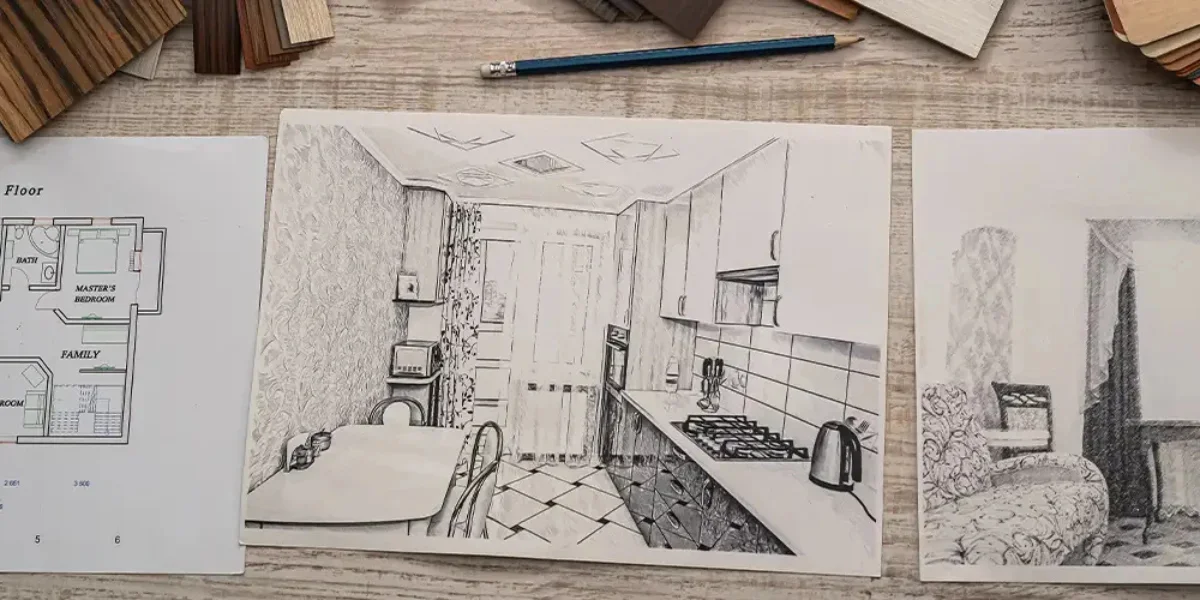
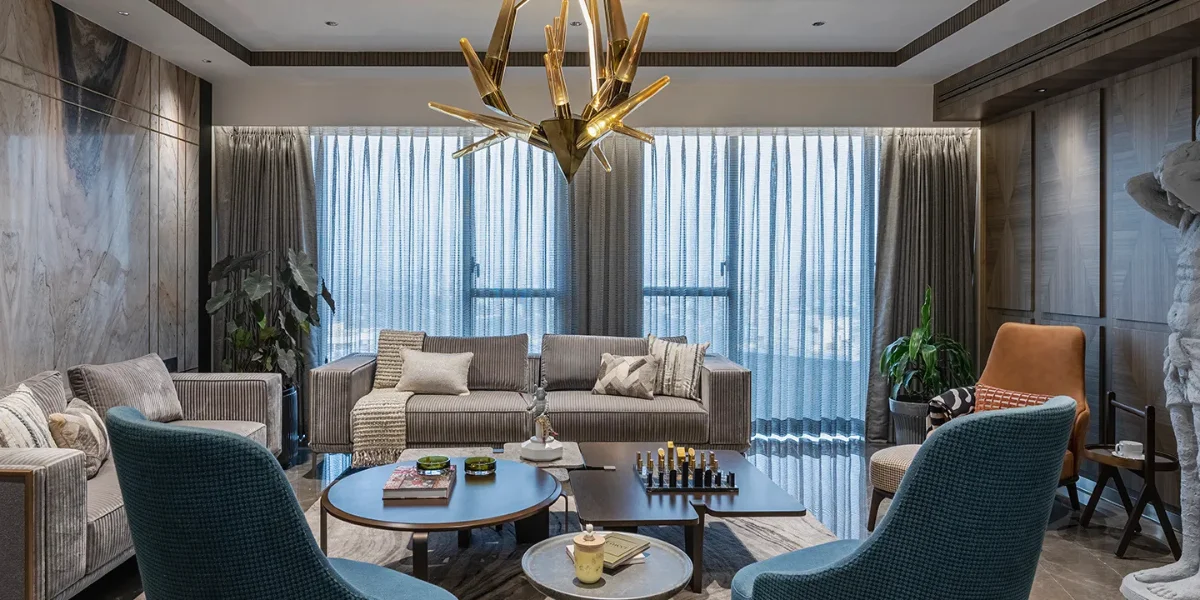
Architecture and interior design are no longer viewed as two completely separate disciplines. The most compelling spaces today are created when architectural planning, interior design, materials, lighting, technology and lifestyle come together as one cohesive design language.
An architect interior designer understands this relationship at a deeper level. Rather than treating the building structure and its interiors as independent elements, the approach considers how space is planned, experienced and lived in from the very beginning.
This is particularly important in luxury residential, hospitality and commercial projects, where every detail contributes to the identity of a space.
From contemporary apartments and expansive villas to boutique hospitality spaces and high-end residences, architect interior designers create environments where form and function coexist with personality and craftsmanship.
What Is an Architect Interior Designer?
An architect interior designer works at the intersection of architecture and interior design.
While a conventional architect may primarily focus on the building’s structure, planning and external form, and an interior designer may focus primarily on the internal environment, an architect interior designer considers the relationship between the two.
This can involve:
- Spatial planning
- Architectural detailing
- Interior layouts
- Material selection
- Lighting
- Furniture and bespoke elements
- Colour and texture
- Circulation and functionality
- Structural considerations
- Technology integration
- Project coordination
- Overall visual identity
The objective is not simply to make a space look beautiful. It is to ensure that the architecture and interiors work together as one complete experience.
For a luxury residence, for example, the positioning of a staircase, window, ceiling, wall treatment or opening can influence everything from furniture placement to natural light and the overall feeling of the room.
This integrated thinking is what makes architectural interior design particularly valuable for complex and high-end projects.
Architect vs Interior Designer: What Is the Difference?
Although the disciplines overlap, their traditional areas of responsibility are different.
| Architect | Interior Designer | Architect Interior Designer |
|---|---|---|
| Focuses on building structure and planning | Focuses on interior spaces | Connects architecture and interiors |
| Works with structural elements | Works with finishes and furnishings | Considers both structural and aesthetic elements |
| Plans building form and spatial organisation | Develops interior layouts and visual character | Creates a unified design language |
| Coordinates architectural requirements | Coordinates interior requirements | Integrates architecture, interiors and detailing |
The distinction becomes less rigid in contemporary luxury projects, where architecture and interior design increasingly influence one another.
An architect interior designer can therefore create a more cohesive design journey, from the first spatial concept through material selection, detailing and final execution.
Why Choose an Architect Interior Designer for a Luxury Project?
Luxury design is not simply about expensive materials or decorative elements. It is about proportion, planning, craftsmanship, functionality and personalisation.
An architect interior designer can bring these considerations together from the beginning.
1. A Unified Design Vision
Instead of designing architecture first and interiors later, the two can evolve together.
This creates greater consistency between the building, spatial planning, interiors and furnishings.
2. Better Space Planning
Luxury does not necessarily mean filling a space with more elements.
Well-planned luxury is often about proportion, movement, visual balance and breathing space.
An integrated designer can determine how rooms connect, how people move through them and how architectural features influence everyday living.
3. Greater Material Integration
Materials such as marble, natural stone, wood, metal, glass and textiles can be considered as part of a larger architectural language.
The result is an interior where materials feel intentional rather than simply decorative.
4. Bespoke Design
Luxury residences often require customised furniture, lighting, wall treatments, cabinetry and architectural details.
An integrated design approach allows these elements to be developed around the architecture rather than added as afterthoughts.
5. Better Coordination During Execution
Architecture and interiors involve multiple consultants, contractors, artisans and vendors.
A unified design direction can help maintain consistency throughout the execution process.
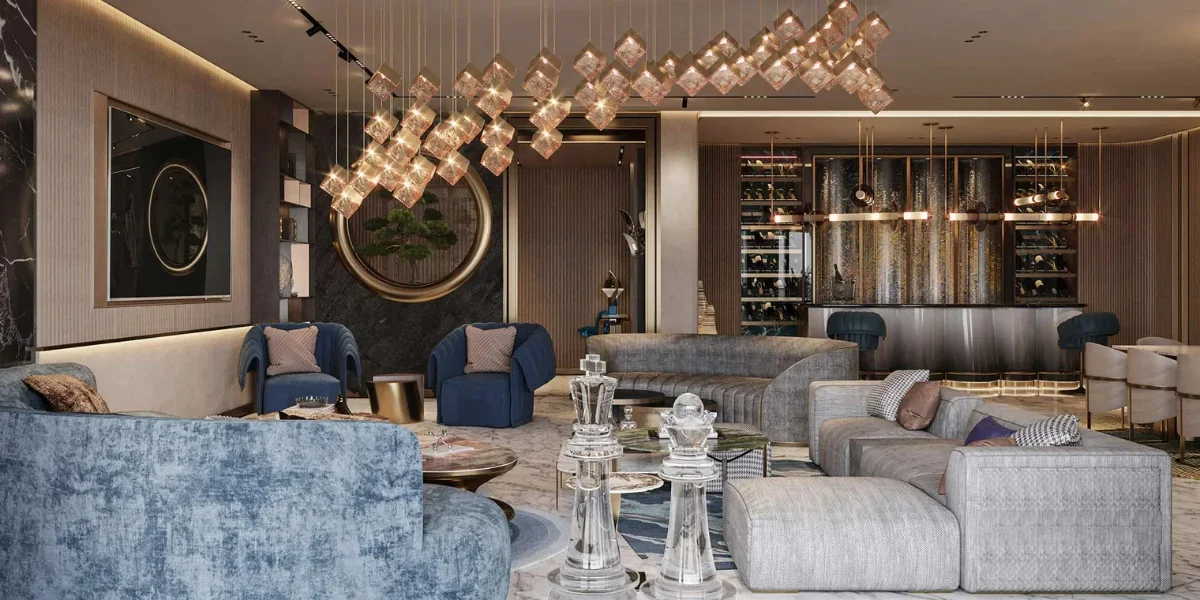
Architectural Interior Design Styles
There is no single definition of luxury architectural interior design. Different projects call for different interpretations of style.
Some of the most influential architectural interior design styles include:
Modern Contemporary
Modern contemporary interiors focus on clean forms, sophisticated materials and carefully controlled detailing.
Large openings, understated colour palettes, sculptural furniture and refined lighting can create an environment that feels current without becoming overly trend-driven.
Minimalist Luxury
Minimalism does not mean creating an empty space.
In luxury interiors, minimalism is often expressed through carefully selected materials, clean lines, concealed storage, refined detailing and generous negative space.
The focus shifts from quantity to quality.
Contemporary Indian
Contemporary Indian interiors reinterpret traditional influences through a modern lens.
Indian craftsmanship, natural materials, artwork, patterns and artisanal details can be incorporated without creating an overtly traditional environment.
Modern Classic
Modern classic interiors combine timeless architectural proportions with contemporary furniture, lighting and materials.
The result can feel sophisticated and layered while avoiding an overly ornate appearance.
Biophilic Interiors
Biophilic design brings natural elements into the built environment through plants, natural materials, daylight, views, textures and connections with outdoor spaces.
For luxury homes, this can create interiors that feel calm, immersive and connected to nature.
Eclectic Luxury
Eclectic interiors combine different periods, materials, colours and influences.
The challenge lies in creating harmony between contrasting elements. When executed well, the result feels highly personal rather than formulaic.
Architecture and Interior Design Trends in India
The Indian design landscape is changing rapidly. Homeowners and developers are increasingly looking for interiors that combine international design sensibilities with local context, craftsmanship and lifestyle requirements.
Some important architecture and interior design trends in India include:
1. Quiet Luxury
Luxury interiors are increasingly moving away from excessive ornamentation.
Instead, emphasis is placed on exceptional materials, craftsmanship, proportion and subtle detailing.
2. Nature-Inspired Interiors
Natural stone, wood, indoor planting, courtyards and large openings are being used to establish stronger connections between interiors and nature.
3. Bespoke Furniture
Mass-produced furniture is increasingly complemented by pieces created specifically for a particular space.
Bespoke furniture can respond to the architecture, dimensions and personality of the project.
4. Smart Home Integration
Lighting, climate control, security, entertainment and automated systems are becoming increasingly integrated into luxury residences.
The technology itself is often designed to remain visually discreet.
5. Material-Led Interiors
Instead of relying heavily on decorative accessories, designers are using stone, wood, metal, glass and textured surfaces to create depth.
6. Indian Craftsmanship, Contemporary Expression
One of the most interesting directions in Indian luxury design is the reinterpretation of traditional craftsmanship.
Handcrafted details, artisanal materials and regional techniques can be incorporated into contemporary environments.
7. Multifunctional Spaces
Modern homes need to accommodate work, relaxation, entertainment and family life.
Spaces are therefore being designed to perform multiple functions without compromising their visual character.
What Does an Architect Interior Designer Do?
The role extends far beyond selecting colours and furniture.
A comprehensive project can involve:
Concept Development
The project begins by understanding the site, architecture, client, lifestyle and design aspirations.
A central design concept is then developed to guide the project.
Spatial Planning
Rooms, circulation paths, openings, furniture zones and functional areas are carefully planned.
Architectural Integration
Architectural features such as staircases, ceilings, partitions, wall treatments and openings are incorporated into the overall interior concept.
Material Selection
Materials are selected based on aesthetics, durability, maintenance, context and the desired sensory experience.
Lighting Design
Lighting is considered both as a functional requirement and an architectural element.
Ambient, accent and architectural lighting can dramatically change how materials and spaces are experienced.
Furniture & Styling
Furniture, artwork, accessories and bespoke elements complete the interior environment.
Design Development
Drawings, specifications, material selections and detailed design decisions translate the concept into an executable design.
Execution Coordination
The design must ultimately be translated accurately on site through coordination with contractors, craftsmen, consultants and vendors.
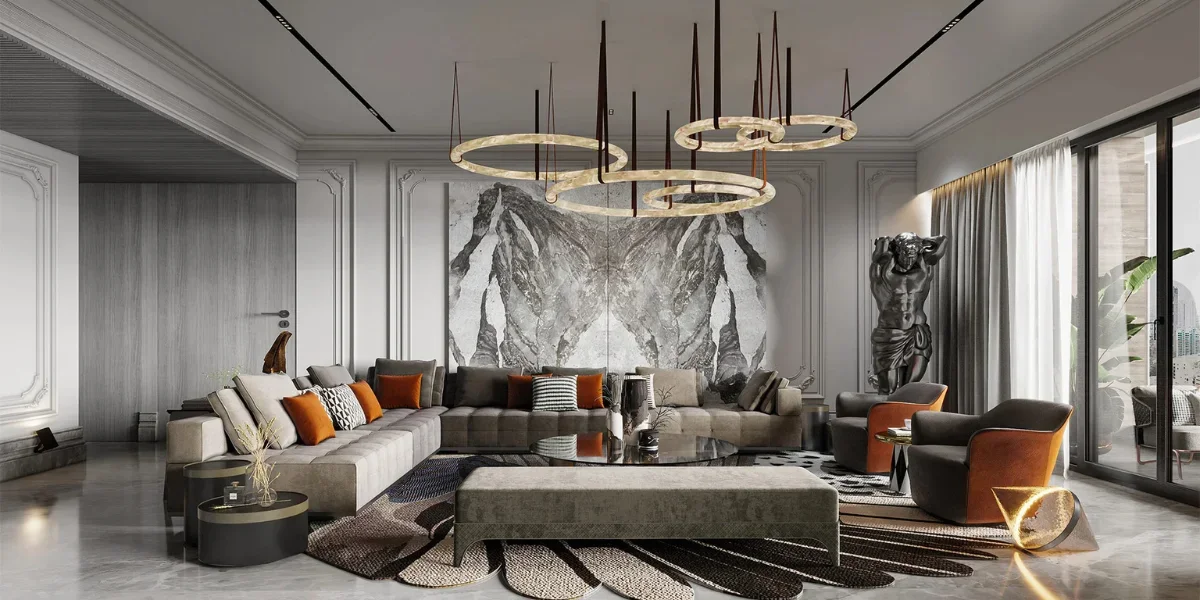
Where Does Architect Interior Design Make the Biggest Difference?
An integrated approach can be particularly valuable in projects where architecture and interiors need to be closely connected.
Luxury Residences
Villas, penthouses, duplexes and large apartments often benefit from an integrated design approach because architectural modifications and interior planning are closely connected.
Hospitality Spaces
Hotels, restaurants, lounges and clubs require both strong visual identities and highly functional environments.
Guest experience, circulation, lighting, acoustics and operational requirements must work together.
High-End Commercial Spaces
Corporate offices, luxury retail environments and branded spaces require architecture and interiors to communicate a distinct identity.
Second Homes and Holiday Homes
These projects often have strong relationships with their landscape and surroundings, making architectural and interior integration particularly important.
How to Choose the Right Architect Interior Designer
Choosing a designer should go beyond looking at attractive photographs on a portfolio.
Consider these factors:
Look at the Portfolio
Study whether the designer has experience with projects similar to yours in terms of scale, complexity and design expectations.
Understand Their Design Philosophy
Every designer approaches space differently.
Look for a design philosophy that aligns with your own lifestyle and aspirations.
Evaluate Their Attention to Detail
Luxury is often visible in the details—the junctions, proportions, material transitions, lighting and craftsmanship.
Understand Their Process
Ask how the firm approaches concept development, drawings, material selection, execution and coordination.
Consider Their Range
A strong designer should be able to adapt their approach rather than applying the same visual language to every project.
Look Beyond Trends
The best interiors should remain relevant beyond a single design trend.
A good architect interior designer knows when to follow a trend and when to create something more timeless.
Sumessh Menon Associates: Architecture, Interiors & Design Excellence
Sumessh Menon Associates approaches design as an integrated experience rather than a collection of isolated elements.
Led by Sumessh Menon, the studio has developed a portfolio spanning luxury residential and hospitality projects, with a design language that combines contemporary thinking, material richness, craftsmanship and strong spatial narratives.
The studio’s portfolio includes projects such as Twin Elements, Silver Train, Serra Charis, Yazu at The Beach, Kico, Calypso, Gong, Earthluxe Living, Eternal 360 and Casa d’Avorio, demonstrating different interpretations of luxury and contemporary living.
Rather than imposing one signature style across every project, the design approach can respond to the architecture, location, client and intended experience.
This allows each residence or hospitality space to develop its own identity.
Why Sumessh Menon Belongs Among India’s Top Architect Interior Designers
The phrase India’s top architect interior designers should not simply describe a designer’s aesthetic reputation. It should reflect the ability to consistently translate ideas into distinctive, functional and thoughtfully executed spaces.
Sumessh Menon Associates has built its positioning around luxury interiors, architectural thinking, bespoke design and detailed execution. The studio’s portfolio demonstrates its ability to work across different residential and hospitality contexts while developing individual design narratives for each project.
For clients looking for an architectural interior design studio, the value lies in finding a team that can understand the larger picture, from spatial planning and architecture to materials, furniture, lighting and the final experience.
The Future of Architect Interior Design
The future of architectural interior design is likely to be less about following one particular aesthetic and more about creating spaces that respond intelligently to people and their surroundings.
Future-focused interiors will increasingly combine:
- Personalisation
- Sustainable materials
- Smart technology
- Natural elements
- Bespoke craftsmanship
- Flexible spaces
- Wellness-focused design
- Better lighting
- Context-driven architecture
The result is a move towards spaces that are more personal, more intelligent and more connected to their users.
Conclusion
An architect interior designer brings architecture and interiors together to create a more complete design experience.
From spatial planning and architectural detailing to materials, lighting, furniture and technology, every component can contribute to one cohesive vision.
As Indian luxury design continues to evolve, the most successful spaces will not simply follow trends. They will interpret them through the context of the architecture, the location and the people who use the space.
For clients seeking a design studio capable of combining architectural thinking with luxury interiors, Sumessh Menon Associates offers a portfolio-led approach built around individuality, craftsmanship and design excellence.
FAQs
1. What is an architect interior designer, and how is it different from an interior designer?
An architect interior designer brings architectural planning and interior design together to create cohesive spaces. While an architect traditionally focuses on structure and spatial planning and an interior designer focuses on the functionality and aesthetics of interiors, an architect interior designer considers both aspects as part of one integrated design vision.
2. When should I hire an architect interior designer?
An architect interior designer is particularly valuable for luxury residences, villas, apartments, hospitality spaces and projects involving complex spatial planning, structural changes or bespoke interiors. Their integrated approach helps ensure that architecture, interiors, materials, lighting and furniture work together seamlessly.
3. What are the most popular architectural interior design styles?
Popular architectural interior design styles include modern contemporary, minimalist luxury, modern classic, contemporary Indian, biophilic and eclectic design. The right style depends on the architecture, location, lifestyle, client preferences and overall design vision.
4. What are the latest architecture and interior design trends in India?
Some key architecture and interior design trends in India include quiet luxury, natural and sustainable materials, biophilic interiors, bespoke furniture, smart-home technology, multifunctional spaces and contemporary interpretations of traditional Indian craftsmanship.
5. What type of projects does Sumessh Menon Associates undertake?
Sumessh Menon Associates works across luxury residential and hospitality projects, including contemporary apartments, villas, residences and hospitality environments. The studio develops individual design concepts based on the project’s architecture, location, lifestyle and intended experience.
6. Why choose Sumessh Menon Associates for luxury interior design?
Sumessh Menon Associates combines architectural thinking, interior design, material selection, bespoke detailing and craftsmanship to create distinctive spaces. Its portfolio reflects a diverse design approach rather than applying a single style across every project, positioning the studio among India’s top architect interior designers.