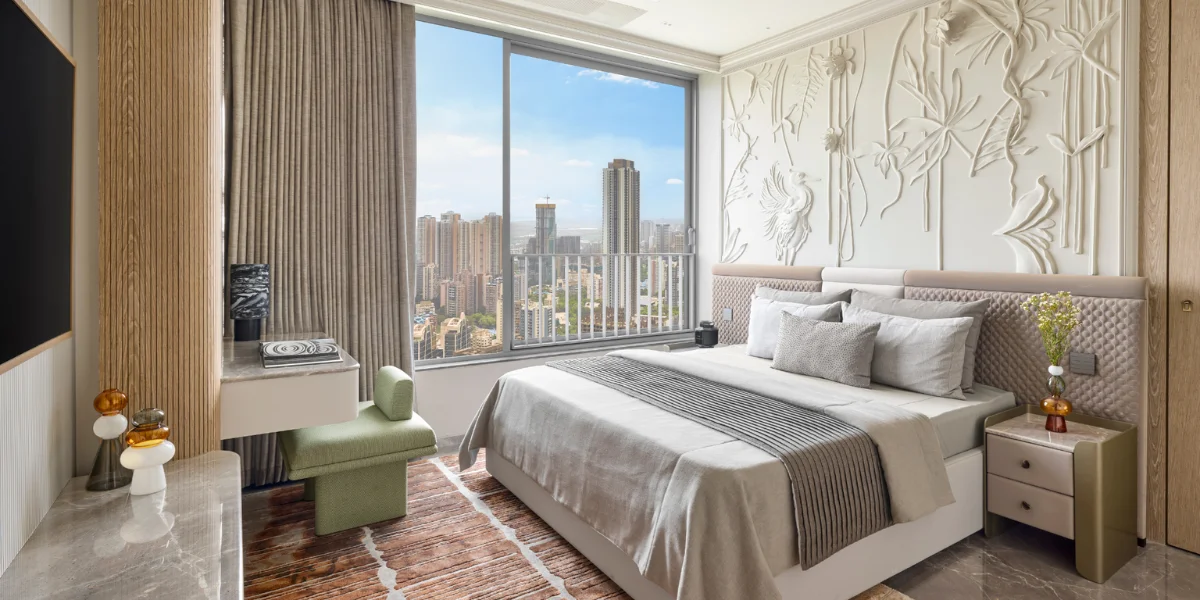
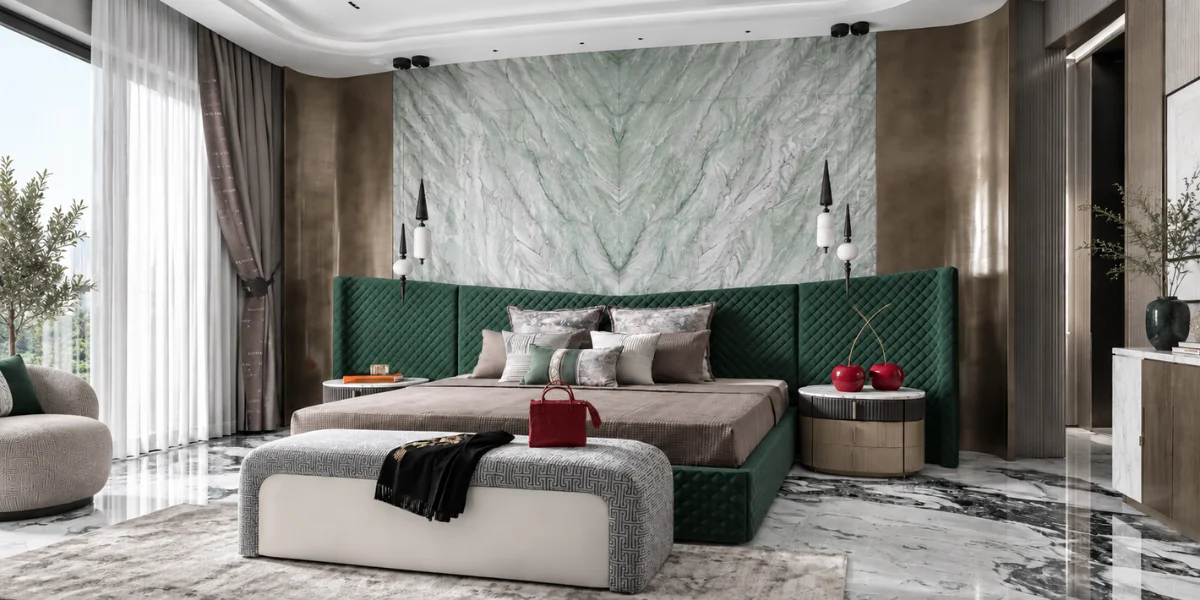
Bedroom interior design is about creating a personal sanctuary that combines comfort, functionality and visual appeal. A thoughtfully designed bedroom reflects the homeowner’s lifestyle while offering a relaxing environment to unwind at the end of the day. From carefully selected colour palettes and statement headboards to ambient lighting and bespoke furniture, every detail contributes to the overall experience of the space.
In luxury homes, bedroom design goes beyond selecting beautiful furnishings. It involves understanding spatial proportions, architectural details, material combinations and the relationship between natural and artificial lighting. Whether designing a spacious master bedroom in a villa or a contemporary bedroom in a luxury apartment, the objective is to create an environment that feels harmonious, practical and personal.
At Sumessh Menon & Associates, residential interior design brings together creative expression and thoughtful planning to create spaces that reflect individual preferences. With the right design approach, a bedroom can become an elegant retreat that balances timeless aesthetics with the requirements of modern living.
Why Is Bedroom Interior Design Important?
A bedroom is one of the most personal spaces in a home. Its design influences how comfortably the room functions, how organised it feels and how effectively it supports relaxation. A well-planned bedroom ensures that furniture, lighting, storage and decorative elements work together rather than compete for attention.
Several factors make bedroom interior design important:
Comfort and relaxation:
Soothing colours, comfortable bedding and appropriate lighting create a welcoming atmosphere.
Efficient space utilisation:
Thoughtful furniture placement and integrated storage help maximise available floor space.
Personal expression:
Artwork, fabrics, finishes and customised furniture reflect the homeowner’s personality.
Visual harmony:
Coordinated materials, colours and textures create a cohesive interior.
Long-term functionality:
Durable materials and timeless design choices help the bedroom remain relevant as preferences evolve.
The best bedroom interiors are not necessarily the most elaborate. They are spaces where every design element serves a purpose while contributing to an overall sense of comfort and sophistication.
1. Explore Bedroom Interior Design Ideas for Different Styles
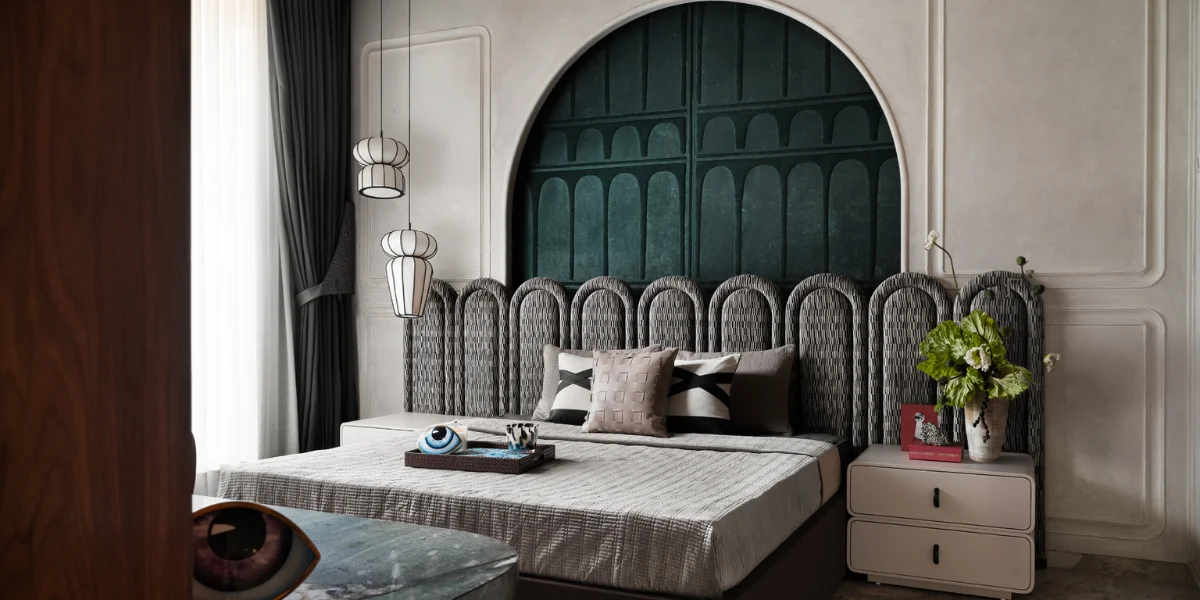
The first step towards designing a bedroom is identifying a style that complements the architecture of the home and the homeowner’s preferences. A consistent design direction helps guide decisions about furniture, materials, lighting and decorative elements.
Modern and Contemporary Bedroom Design
Modern bedroom interiors often feature clean lines, uncluttered layouts, streamlined furniture and a restrained colour palette. Neutral shades such as beige, ivory, taupe and warm grey create a sophisticated foundation, while carefully selected accents introduce character.
Consider a platform bed with an upholstered headboard, floating bedside tables and concealed wardrobe storage. Layered lighting and textured wall finishes can add depth without making the room feel visually crowded.
Contemporary bedroom design can also incorporate statement lighting, sculptural furniture and contrasting materials to create an individualised appearance.
Minimalist Bedroom Interiors
Minimalist interiors focus on simplicity, proportion and purposeful design. Rather than filling the bedroom with decorative objects, this approach emphasises a few well-chosen elements that create a strong visual impact.
Built-in wardrobes, concealed storage, simple furniture silhouettes and uncluttered surfaces help maintain a calm atmosphere. Natural wood, textured fabrics and soft lighting prevent the space from feeling cold or impersonal.
Minimalism works particularly well in urban apartments where efficient use of space is essential.
Classic and Timeless Bedroom Design
For homeowners who prefer traditional elegance, classic bedroom interiors can incorporate detailed panelling, upholstered furniture, decorative mouldings, rich fabrics and refined metallic accents.
A balanced combination of traditional detailing and contemporary functionality creates a bedroom that feels luxurious without appearing outdated. Neutral wall colours, symmetrical furniture arrangements and carefully curated accessories help maintain visual harmony.
Luxury Bedroom Interiors
Luxury bedroom interiors are defined by the quality of the design rather than the number of expensive elements in the room. Premium materials, customised furniture, considered lighting and carefully executed details can make the space feel distinctive.
Marble accents, timber finishes, textured wall panels, sophisticated fabrics and bespoke headboards can introduce understated grandeur. The key is to combine these materials thoughtfully so that the bedroom remains comfortable and inviting.
2. Choose a Colour Palette That Enhances the Mood
Colour plays a significant role in shaping the atmosphere of a bedroom. The right palette can make a space feel brighter, warmer, more intimate or more spacious.
Neutral colours remain versatile choices for luxury bedroom interiors because they work well with different materials and furniture styles. Shades of cream, beige, warm white and soft grey provide a foundation that can be updated through bedding, artwork and accessories.
For a more expressive interior, consider incorporating muted greens, dusty blues, terracotta or deeper earthy tones. These colours can introduce personality while maintaining a balanced visual effect.
When selecting bedroom colours, consider the following:
Room size:
Lighter shades can help a compact bedroom feel more open, while darker colours can create a more intimate atmosphere.
Natural light:
Observe how sunlight changes the appearance of colours throughout the day.
Material finishes:
Ensure that wall colours complement flooring, wardrobes, upholstery and furniture.
Lighting temperature:
Warm and cool lighting can influence how paint colours and fabrics appear.
Overall design theme:
Maintain consistency between the bedroom and adjoining spaces, particularly in open-plan or connected residential layouts.
A successful colour scheme usually combines a dominant colour with complementary secondary shades and a limited number of accent tones.
3. Create a Statement with Thoughtful Wall Decor
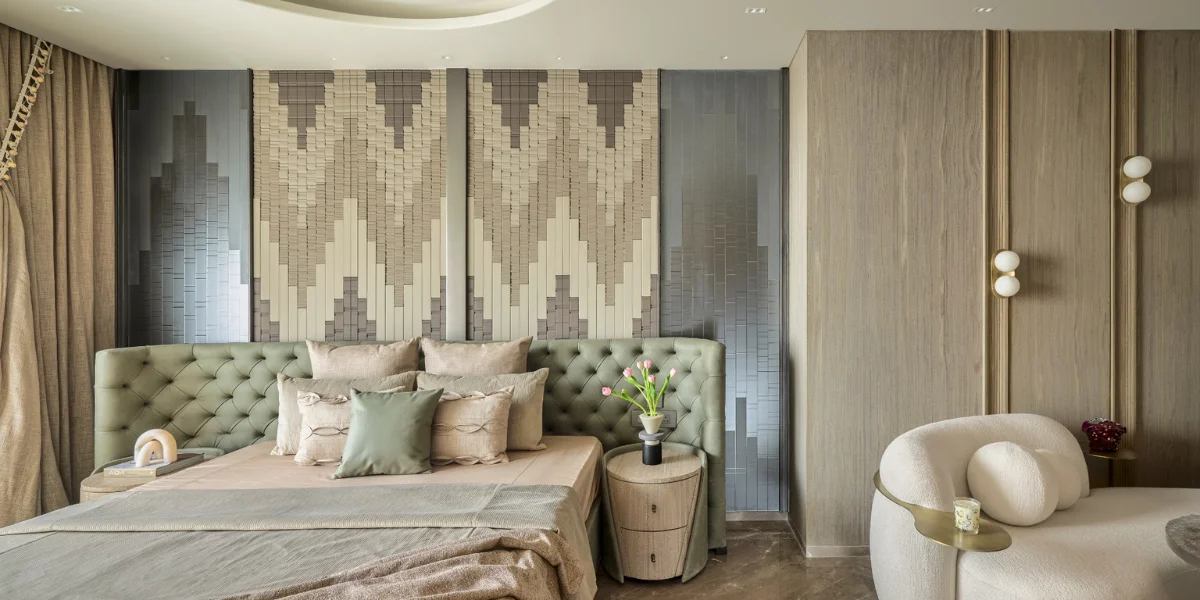
Well-planned wall decor can transform an ordinary bedroom into a distinctive design statement. Walls offer opportunities to introduce texture, colour, artwork and architectural detailing without occupying valuable floor space.
The wall behind the bed is often the natural focal point of the bedroom. It can be enhanced with upholstered panels, timber finishes, decorative mouldings, textured paint or a carefully selected artwork arrangement.
Popular wall decor ideas include:
Textured feature walls:
Limewash-inspired finishes, textured paint and subtle patterns add depth.
Upholstered headboard walls:
Fabric panels create a soft, sophisticated backdrop for the bed.
Timber wall panelling:
Wood introduces warmth and works well in contemporary and transitional interiors.
Statement artwork:
Large-scale paintings or curated artwork can introduce colour and personality.
Decorative mirrors:
Strategically positioned mirrors can reflect light and create a greater sense of openness.
Architectural detailing:
Mouldings, fluted panels and recessed niches can add visual interest.
The choice of wall decor should complement the room’s proportions. In a compact bedroom, excessive patterns or multiple competing focal points may make the space feel busy. A single well-designed feature wall often creates a more refined result.
4. Select Furniture That Balances Comfort and Functionality
Furniture selection is central to effective bedroom interior designing. Every piece should fit the available space, support everyday routines and contribute to the overall aesthetic.
The bed typically forms the centrepiece of the room, so its size, headboard design and placement require careful consideration. A large bed can create a luxurious impression, but it should not restrict circulation or access to wardrobes and windows.
Bedside tables, dressers, wardrobes, seating and study units should be selected according to the room’s dimensions and the occupants’ requirements.
Consider these furniture planning principles:
- Maintain comfortable movement around the bed and between frequently used areas.
- Choose bedside tables that are proportionate to the bed and accessible from both sides where possible.
- Use built-in wardrobes when they improve storage efficiency and create a cleaner appearance.
- Consider multifunctional furniture in smaller bedrooms.
- Select durable materials and finishes that suit the household’s daily use.
- Integrate electrical outlets and charging points into the furniture layout where practical.
Custom-designed furniture can be particularly valuable in luxury residences because it allows dimensions, finishes, storage compartments and detailing to be tailored to the room.
5. Use Layered Lighting to Transform the Bedroom
Lighting affects both the functionality and atmosphere of a bedroom. A single ceiling light rarely provides the flexibility required for reading, dressing, relaxing and preparing for sleep.
A layered lighting scheme combines different light sources to serve specific purposes.
Ambient Lighting
Ambient lighting provides the room’s general illumination. Recessed ceiling lights, concealed cove lighting and decorative ceiling fixtures can establish an even and comfortable level of brightness.
Task Lighting
Task lighting supports activities such as reading or getting ready. Bedside lamps, wall-mounted reading lights and appropriately positioned vanity lighting are useful options.
Accent Lighting
Accent lighting highlights architectural features, artwork, textured walls or display niches. It adds depth and helps create a more atmospheric interior.
Lighting controls can further improve convenience by allowing different settings for morning routines, evening relaxation and nighttime movement.
Where possible, make the most of natural daylight through well-planned window treatments. Sheer curtains can soften incoming sunlight, while blackout curtains or blinds help control brightness and privacy when required.
6. Design Smart Wardrobes and Storage Solutions
Storage is one of the most important considerations in bedroom interior design. Even a beautifully furnished room can feel cluttered if clothing, accessories and everyday belongings do not have designated places.
Wardrobes should be planned around the occupants’ storage habits, available wall space and the room’s overall layout. Floor-to-ceiling wardrobes can maximise vertical storage, while sliding doors may be useful where there is limited clearance for hinged doors.
Internal wardrobe planning can include hanging sections, drawers, shelves, shoe storage, accessory organisers and dedicated compartments for frequently used items.
Other useful bedroom storage ideas include:
- Beds with integrated drawers where suitable.
- Concealed storage benches at the foot of the bed.
- Floating bedside tables with drawers.
- Recessed shelves or display niches.
- Built-in dressing units with integrated lighting.
The objective is to make storage accessible without allowing it to dominate the room visually. Well-integrated storage keeps surfaces clear and allows the bedroom’s architectural and decorative features to stand out.
7. Introduce Natural Materials and Rich Textures
Materials influence how a bedroom looks and feels. Combining different textures can make an interior visually engaging while maintaining a cohesive design language.
Timber introduces warmth, natural stone adds visual depth, and fabrics such as linen, cotton and velvet offer different levels of softness and richness. Upholstered headboards, textured rugs and layered bedding can make the room feel more comfortable.
A successful material palette balances contrast with continuity. For example, warm timber can complement neutral walls, while brushed-metal accents can add definition to furniture and lighting fixtures.
For a more luxurious appearance, focus on the quality, finish and application of materials instead of combining too many statement surfaces. Repeating selected finishes across furniture, wall panels and accessories creates a sense of visual consistency.
Natural materials can also help connect bedroom interiors with the broader design of the home, particularly when similar finishes appear in adjoining dressing areas, bathrooms or living spaces.
8. Plan Bedroom Interiors for Small Apartments
Small bedrooms require a thoughtful approach to layout, furniture selection and storage. The objective is to maximise functionality while preserving a sense of openness.
Start by identifying the essential furniture and the circulation space required around it. Avoid oversized bedside tables, unnecessary accent chairs or bulky furniture that restricts movement.
Practical bedroom interior design ideas for smaller spaces include:
- Using light or coordinated colours to create visual continuity.
- Installing floor-to-ceiling wardrobes for efficient vertical storage.
- Choosing furniture with simple silhouettes and appropriate dimensions.
- Using wall-mounted lights to free up bedside surfaces.
- Incorporating mirrors where they can reflect natural or artificial light.
- Selecting multifunctional furniture when it serves a genuine need.
- Keeping decorative accessories selective and purposeful.
A compact bedroom can still feel luxurious when the proportions are right, the storage is well planned and the finishes are carefully coordinated.
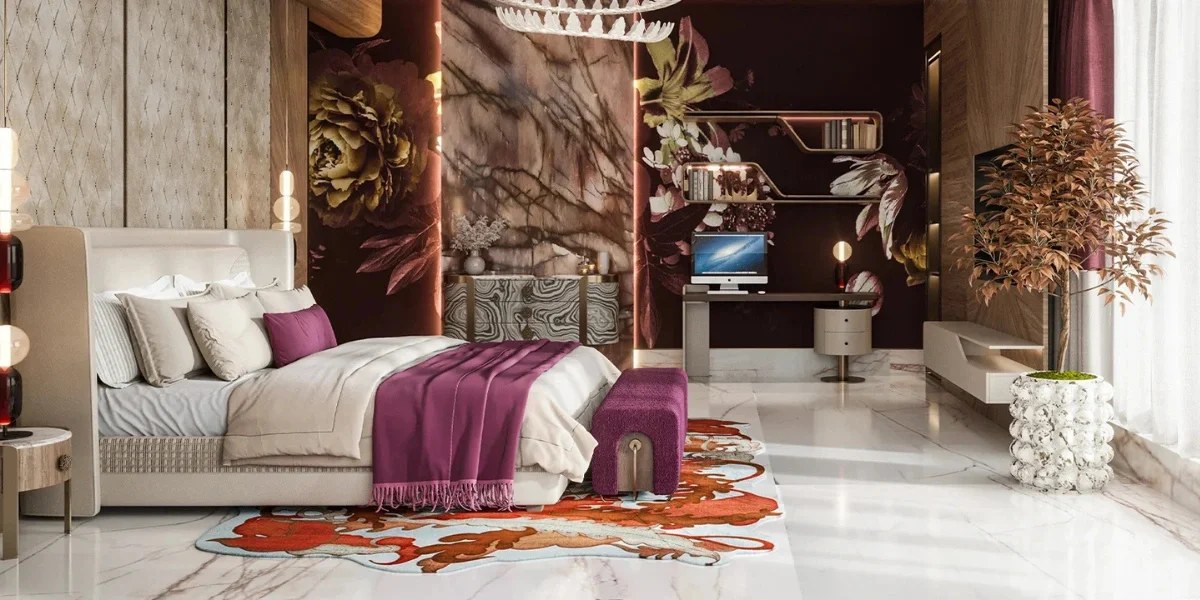
9. Personalise the Bedroom with Artwork and Accessories
Accessories bring personality into a bedroom and help distinguish a designed space from a generic interior. Artwork, cushions, throws, rugs, decorative objects and bedside styling can introduce character without requiring major structural changes.
When selecting accessories, consider their relationship to the room’s colour palette, materials and architectural details.
A large artwork above a dresser, a carefully styled bedside table or a textured rug beneath the bed can create visual interest. However, accessories should be chosen selectively so that they complement rather than compete with the room’s main features.
Personal objects, meaningful artwork and carefully chosen decorative pieces can also make a luxury bedroom feel more connected to the homeowner.
10. How to Choose the Right Designer for Homes
Working with the right designer for homes can help translate design preferences into a cohesive and functional bedroom. An experienced professional considers more than aesthetics, including spatial planning, lighting requirements, material performance, storage needs and coordination with the rest of the residence.
Before appointing a designer, review their portfolio and evaluate whether their design approach aligns with your expectations.
Important considerations include:
Design expertise:
Look for experience with residential interiors and projects similar to your requirements.
Customisation:
Ensure the design process accounts for your lifestyle, preferences and practical needs.
Material knowledge:
Discuss the suitability, maintenance and durability of proposed finishes.
Space planning:
Assess how the designer approaches furniture placement, storage and circulation.
Project coordination:
Understand how design development, execution and communication will be managed.
Budget clarity:
Establish the scope, specifications, timelines and expected costs before work begins.
The right professional should be able to explain the reasoning behind design decisions and help you understand how individual elements contribute to the finished space.
How Sumessh Menon & Associates Approaches Bedroom Interior Designing
At Sumessh Menon & Associates, residential interiors are approached as personalised design experiences that bring together aesthetics, functionality and the character of the home. The firm’s residential design philosophy emphasises customised solutions, considered material selection and attention to detail.
For bedroom projects, a cohesive design approach involves understanding how the homeowner uses the space, identifying functional requirements and developing a visual direction that complements the wider residence.
This may involve coordinating the bed and headboard, wardrobes, lighting, wall treatments, furniture finishes and decorative elements to create a unified interior. Every choice should support the room’s intended atmosphere while maintaining everyday usability.
The broader objective of thoughtful bedroom interior designing is to create spaces that feel individual rather than formulaic. By balancing architectural features with furniture, materials and lighting, Sumessh Menon & Associates aims to create residential interiors that reflect the homeowner’s aspirations and lifestyle.
Explore the firm’s residential design portfolio to understand its approach to bespoke home interiors and discuss how a bedroom design can be tailored to your project.
Conclusion
Successful bedroom interior design combines comfort, visual harmony and practical planning. From choosing a colour palette and selecting furniture to designing statement walls and integrating layered lighting, every decision contributes to the experience of the room.
The most effective bedroom interior design ideas are those that reflect the homeowner’s personality while addressing everyday requirements. Whether you are planning a minimalist apartment bedroom or an expansive luxury master suite, thoughtful space planning, quality materials and carefully coordinated details can create a lasting impression.
With a considered design approach, Sumessh Menon & Associates can help homeowners explore personalised residential interiors that balance elegance with functionality. The result is a bedroom that feels refined, welcoming and distinctly your own.
Frequently Asked Questions About Bedroom Interior Design
1. What are the most important elements of bedroom interior design?
The most important elements include space planning, furniture selection, colour schemes, lighting, storage and material coordination. A successful bedroom design balances comfort and functionality with the homeowner’s preferred aesthetic.
2. What are some bedroom interior design ideas for a luxurious look?
Consider a customised headboard, layered lighting, coordinated wall finishes, premium fabrics, integrated wardrobes and carefully selected artwork. Luxury comes from the quality and harmony of these elements rather than simply adding expensive materials.
3. How can wall decor improve a bedroom’s appearance?
Wall decor introduces texture, colour and personality. Options such as upholstered panels, timber panelling, statement artwork and decorative mouldings can establish a focal point and complement the room’s overall design.
4. How does Sumessh Menon & Associates approach bedroom interior designing?
Sumessh Menon & Associates focuses on personalised residential interiors, thoughtful material selection, customised design solutions and attention to detail. The design approach considers the homeowner’s preferences alongside the functionality and character of the residence.
5. Can Sumessh Menon & Associates design bedrooms for apartments and villas?
Yes. Sumessh Menon & Associates offers residential interior design solutions for different types of homes. The design approach can be tailored to the property’s layout, available space, architectural character and homeowner’s requirements.
6. How do I choose a designer for homes for my bedroom project?
Review the designer’s portfolio, residential design experience, approach to customisation, material knowledge and project coordination process. Discuss your requirements, budget and expectations before finalising the scope of work. Choose a professional whose design sensibility aligns with your vision for the home.