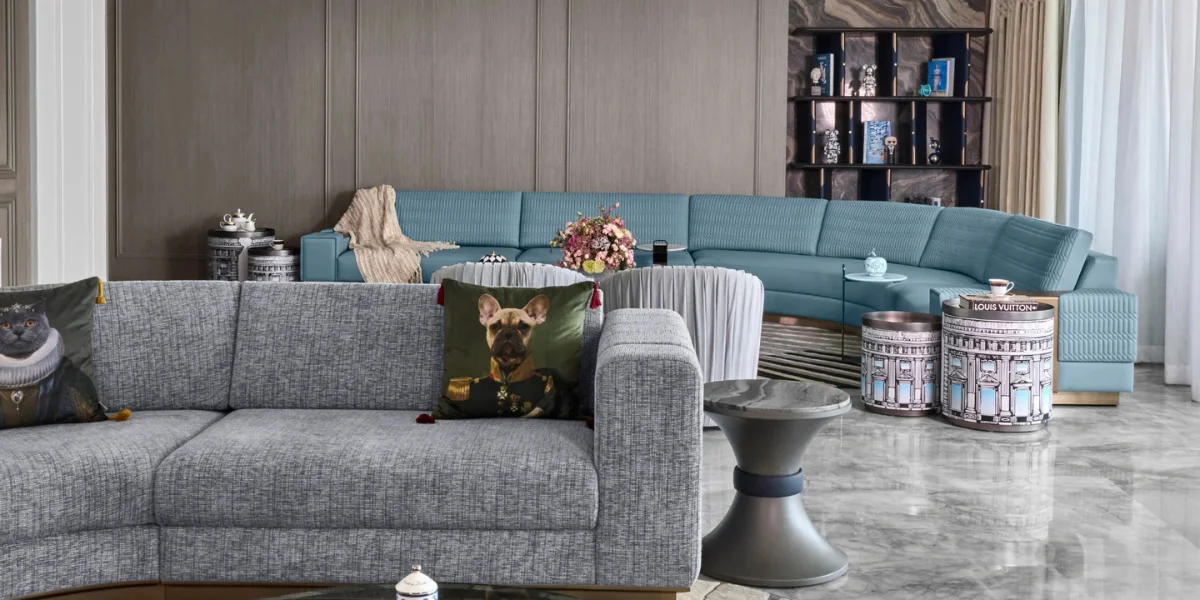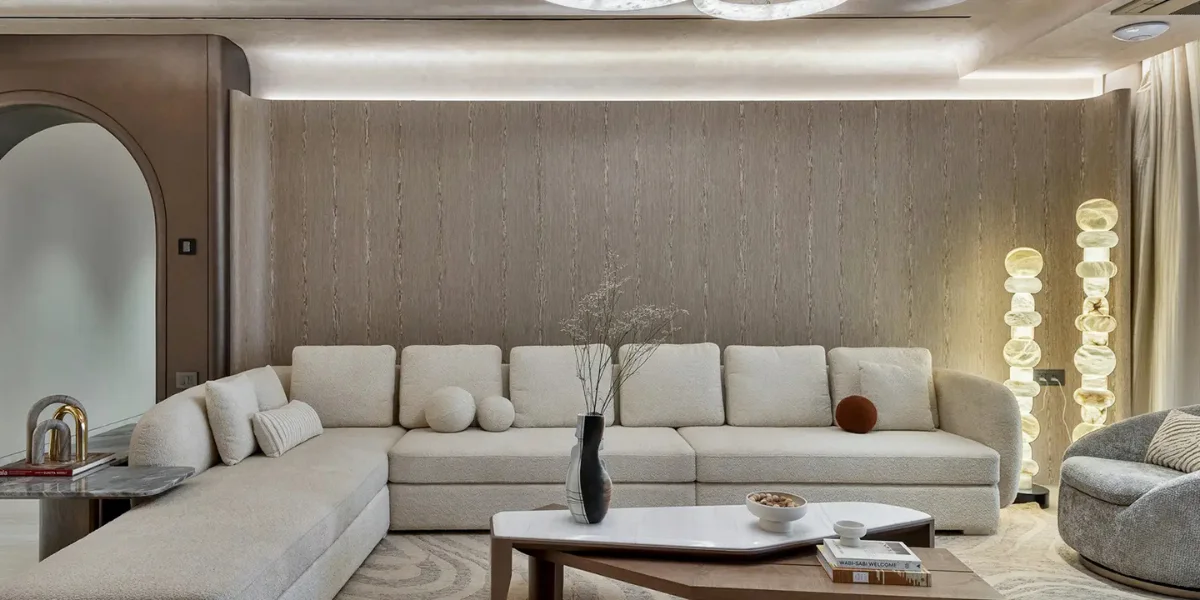
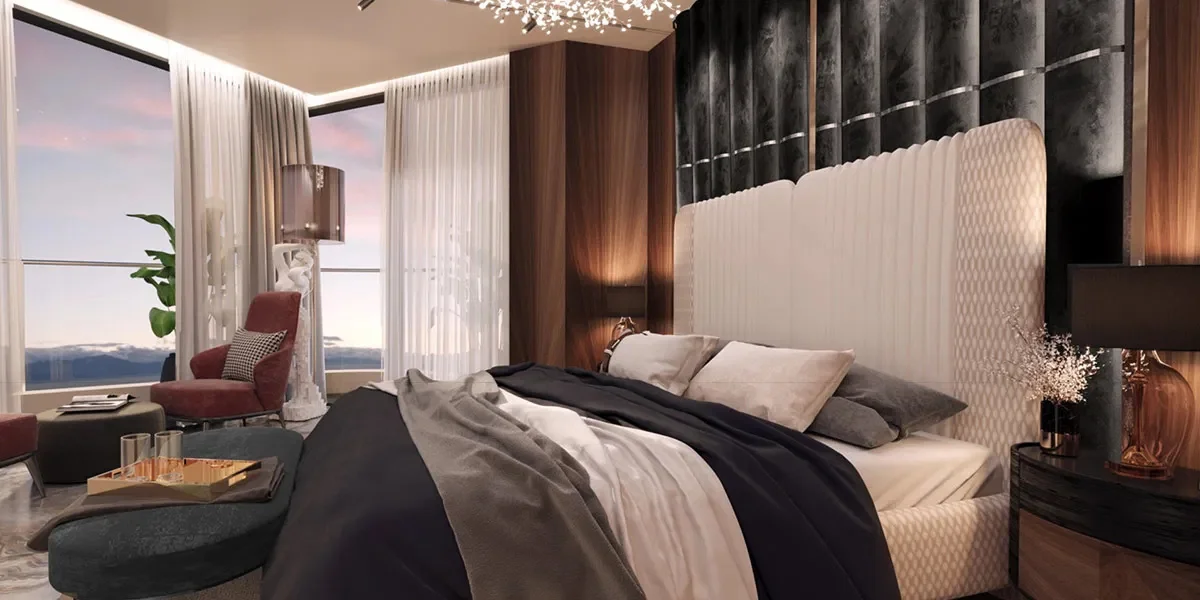
Modern Master Bedroom Designs
Creating a sanctuary begins with modern master bedroom designs that prioritize both aesthetics and functionality. Contemporary homeowners are increasingly moving toward modern master bedroom designs that integrate minimalist architecture and clean lines to foster a sense of calm. By incorporating integrated smart home technology and custom cabinetry, you can achieve a high-end look that streamlines your daily routine. These designs often feature sustainable materials and luxury master suites tailored to individual lifestyles. Ultimately, the best modern master bedroom designs balance contemporary bedroom trends with personal comfort, ensuring your private retreat feels both sophisticated and timelessly elegant.Bedroom Lighting
The right bedroom lighting is essential for transitioning your space from a bright morning workspace to a tranquil evening retreat. Layering is key; you should combine recessed ceiling lights for general visibility with statement pendant lights to add character. Effective bedroom lighting strategies also utilize dimmer switches and warm-toned LEDs to control the mood, ensuring the room remains cozy at any hour. By integrating sculptural floor lamps and ambient lighting, you can highlight specific design features. Remember that versatile bedroom lighting enhances both the utility and the atmosphere of your room, making it a vital element of interior design.Bedroom Furniture Ideas
Exploring innovative bedroom furniture ideas can help maximize your floor plan while significantly enhancing the room’s visual appeal. Consider low-profile bed frames and floating nightstands to create a sense of spaciousness, or opt for multi-functional pieces like storage ottomans. The best bedroom furniture ideas often involve selecting ergonomic furniture with velvet upholstery or natural wood finishes to add a tactile layer of luxury. By choosing designer furniture that serves dual purposes, you can keep the space clutter-free. These bedroom furniture ideas transform a standard sleeping area into a curated, high-end environment tailored to your specific storage and comfort needs.Modern Layout
A successful modern layout focuses on the flow of movement and the strategic placement of various focal points. Prioritizing an open-concept arrangement helps the room feel larger, especially when the modern layout is designed to face scenic views or large windows. Incorporating a dedicated seating area or a minimalist vanity nook ensures that the floor plan is utilized efficiently without feeling overcrowded. Good spatial planning and a logical furniture arrangement are the pillars of a functional modern layout. By focusing on symmetry and accessibility, your modern layout becomes an organized foundation for a restful, stress-free master suite experience.Bedroom Color Palettes
Choosing the right bedroom color palettes is the foundation of your room’s mood and overall energy. Currently, earthy neutrals, muted sage greens, and sophisticated monochromatic greys are leading the way in professional interior design. When selecting bedroom color palettes, it is important to consider how soothing bedroom tones work harmoniously with accent walls to provide depth. These bedroom color palettes can be enhanced with bold textures or deep charcoal to create a sense of luxury. By following current interior paint trends, you can use bedroom color palettes to define the boundaries of your space and evoke a deep sense of serenity.
The modern master bedroom is a masterclass in the “art of living.” It is no longer just a place to rest your head; it has evolved into a curated sanctuary that balances high-end technology with minimalist soul. When we dive into modern master bedroom designs, we aren’t just looking at furniture we are looking at a lifestyle defined by intentionality, spatial harmony, and sophisticated comfort.
If you are looking to renovate or refresh your space, achieving that “magazine-ready” look requires more than just buying a new bed. It requires a deep dive into the three pillars of modernism: Layout, Lighting, and Furniture.
Modern master bedroom designs focus on simplicity, functionality, and comfort while creating a luxurious atmosphere. Key features include clean lines, uncluttered layouts, neutral color palettes, layered lighting, premium materials, minimalist furniture, and smart storage solutions. Large windows, natural textures, and integrated technology further enhance the space, creating a bedroom that feels calm, sophisticated, and timeless.
You don’t need a complete renovation to achieve a modern bedroom. Start by decluttering the space, choosing a neutral color palette, upgrading lighting fixtures, and investing in a quality bed and bedding. Incorporating minimalist furniture, adding textured fabrics, using large mirrors to enhance natural light, and selecting a few statement décor pieces can create a luxurious look without exceeding your budget.
Modern bedroom design is inspired by a specific design movement that emphasizes clean lines, functionality, and minimal ornamentation. Contemporary bedroom design reflects current trends and continues to evolve over time. While both styles feature open spaces and simplicity, contemporary interiors often incorporate softer curves, mixed materials, and the latest innovations, whereas modern design maintains a more structured and timeless aesthetic.
Natural light is an essential element of modern bedroom design. Large windows, sliding glass doors, skylights, and sheer window treatments allow daylight to fill the room while creating a seamless connection with the outdoors. Designers often use reflective materials, light-colored finishes, and carefully positioned mirrors to maximize brightness and make the bedroom feel larger and more inviting.
The Modern Layout: Flow and Functionality
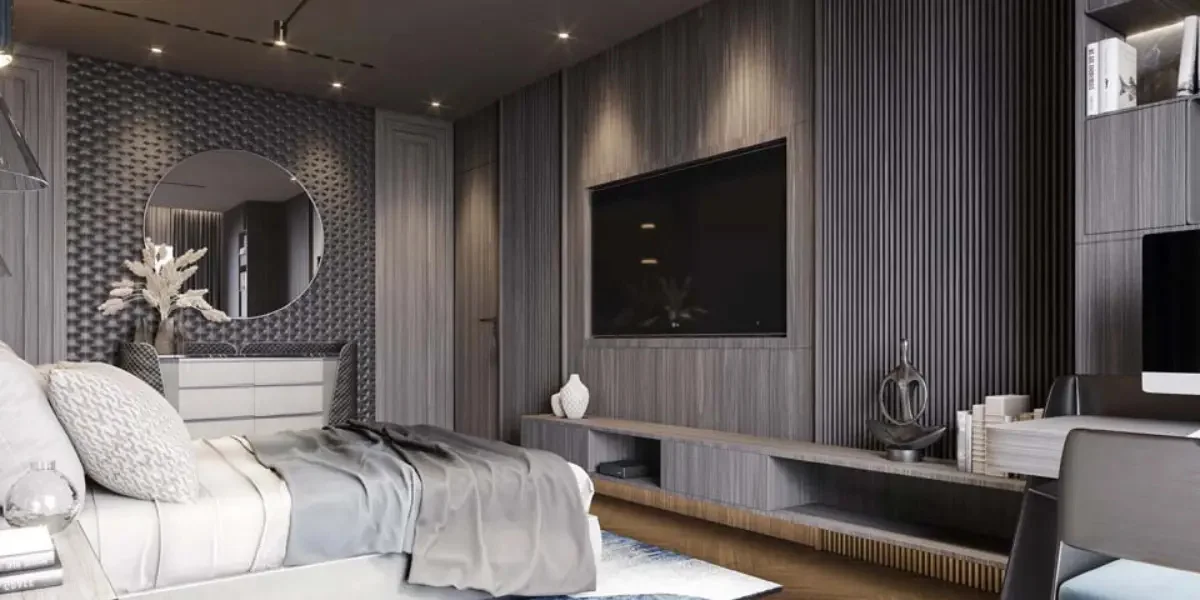
In traditional design, rooms are often “stuffed” with furniture. In modern design, the space between the furniture is just as important as the pieces themselves.
1. The "Zoning" Concept
Modern master suites often incorporate “micro-zones.” Even in a standard-sized room, you can create a sense of luxury by defining areas for:
1. The Sleeping Zone:
Anchored by the bed, kept free of electronics and clutter.
Anchored by the bed, kept free of electronics and clutter.
2. The Lounge Zone:
A corner with a singular, iconic chair (like a Barcelona chair) and a floor lamp.
A corner with a singular, iconic chair (like a Barcelona chair) and a floor lamp.
3. The Dressing Zone:
Usually featuring integrated, floor-to-ceiling wardrobes that mimic the walls.
Usually featuring integrated, floor-to-ceiling wardrobes that mimic the walls.
2. The Rule of Symmetry (and Breaking It)
While modernism loves balance, it doesn’t always require perfect symmetry. You might have a large window on one side of the bed and a large piece of vertical art on the other. This “asymmetrical balance” keeps the eye moving and prevents the room from feeling static.
3. Maximizing the "Negative Space"
To achieve the modern master bedroom designs idea look, keep the center of the room open. Avoid placing rugs that are too small; a large rug that tucks under the bed and extends several feet beyond the edges creates a grounded, expansive feel.
A minimalist bedroom layout prioritizes open space, functionality, and visual balance. The bed serves as the focal point, while furniture is limited to essential pieces such as bedside tables, wardrobes, and a comfortable seating area if space allows. Clean circulation paths, concealed storage, and minimal decorative accessories create a calm, uncluttered environment that promotes relaxation.
To maximize floor space, position the bed against the main feature wall while maintaining comfortable circulation around it. Choose floating nightstands, wall-mounted lighting, and built-in wardrobes to keep the floor visually open. Limit furniture to essential pieces, use multifunctional storage solutions, and avoid overcrowding the room with unnecessary décor. This approach creates a spacious and elegant master bedroom.
A minimalist bedroom should include only furniture that serves a functional purpose. Essential pieces typically include a platform bed, compact bedside tables or floating shelves, a built-in wardrobe, a comfortable accent chair if space permits, and discreet storage solutions. Selecting furniture with clean lines and simple forms helps maintain an uncluttered, contemporary appearance.
Bedroom Lighting: The Architecture of Atmosphere
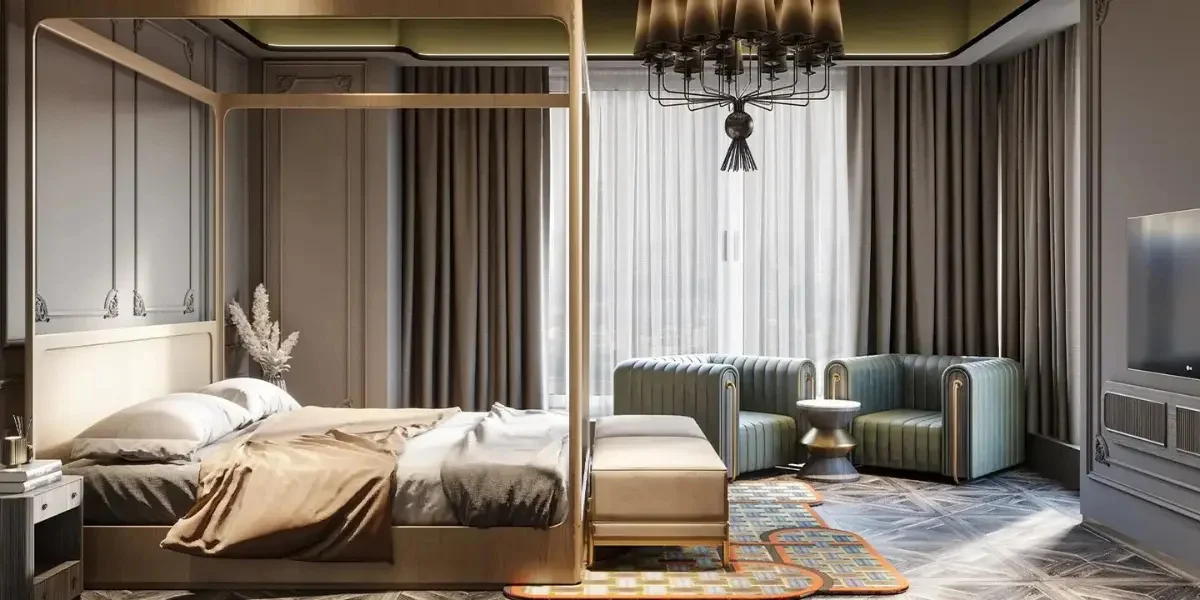
Lighting in a modern bedroom is never an afterthought. It is layered to provide both utility and “drama.”
1. Ambient Lighting (The Base)
Instead of a central “boob light” flush mount, modern rooms use recessed LED cans or cove lighting. Cove lighting involves hiding LED strips inside a ceiling recess, reflecting light downward for a soft, ethereal glow that mimics natural sunlight.
2. Task Lighting (The Function)
Modern nightstands are often small. To save space, designers utilize:
1. Pendant Lights:
Dropping low from the ceiling to hover just above the bedside table.
Dropping low from the ceiling to hover just above the bedside table.
2. Wall Sconces:
Swing-arm designs in matte black or brushed gold offer a clean, industrial look while keeping surfaces clear.
Swing-arm designs in matte black or brushed gold offer a clean, industrial look while keeping surfaces clear.
3. Accent Lighting (The Luxury)
This is what separates a standard room from a master suite.
1. Under-bed Lighting:
Motion-activated LED strips under the bed frame provide a “floating” effect and act as a gentle guide if you wake up at night.
Motion-activated LED strips under the bed frame provide a “floating” effect and act as a gentle guide if you wake up at night.
2. Art Lighting:
Slender, minimalist picture lights to highlight a singular piece of modern art.
Slender, minimalist picture lights to highlight a singular piece of modern art.
Architectural bedroom lighting integrates light directly into the design of the room rather than relying solely on decorative fixtures. Cove lighting, recessed ceiling lights, wall sconces, concealed LED strips, and under-bed lighting create a layered effect that enhances both functionality and ambience. Combining ambient, task, and accent lighting allows the bedroom to adapt to different activities and moods throughout the day.
Architectural lighting provides more even illumination, improves visual comfort, and highlights architectural features without creating harsh shadows. It also allows designers to create multiple lighting layers for reading, relaxing, dressing, and entertaining. Compared to traditional ceiling fixtures, architectural lighting produces a cleaner, more luxurious appearance while improving energy efficiency and flexibility.
The best reading lighting combines focused task lighting with comfortable ambient illumination. Adjustable wall-mounted sconces, pendant bedside lights, swing-arm lamps, and dimmable LED fixtures provide sufficient brightness without disturbing others in the room. Warm white lighting and adjustable controls create a comfortable reading environment while maintaining the relaxing atmosphere of a modern master bedroom.
Bedroom Furniture Ideas
Form Follows Function
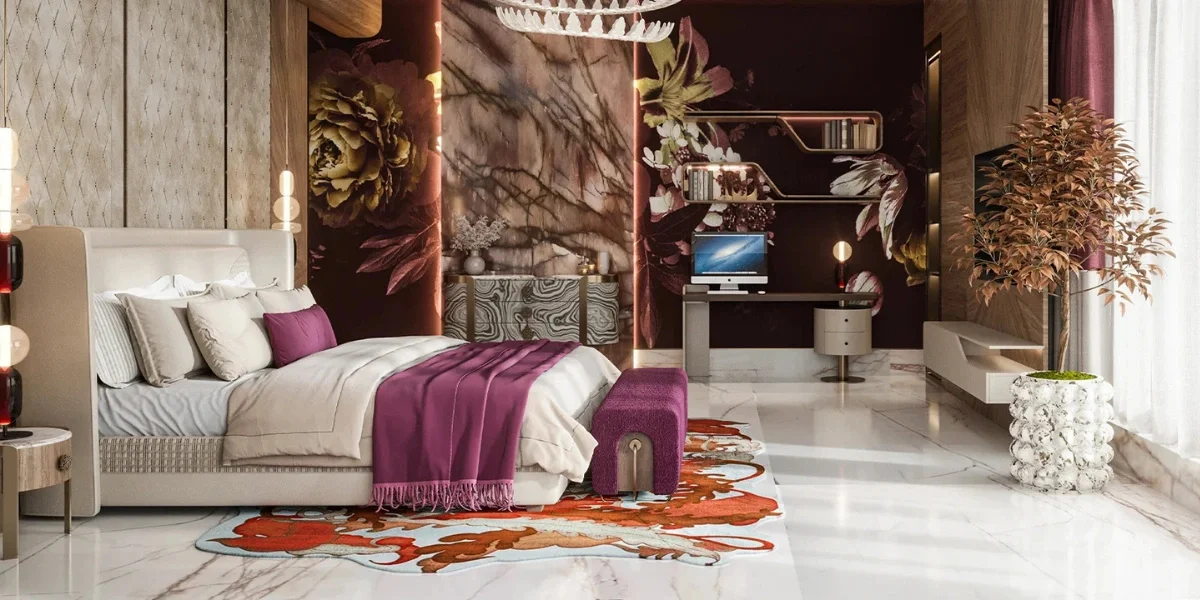
When selecting furniture for modern master bedroom designs, look for low profiles, clean edges, and “honest” materials.
Piece | Modern Characteristic | Why it Works |
The Bed | Platform frame (no box spring) | Lowers the visual height, making the room feel taller. |
Nightstands | Floating / Wall-mounted | Creates an airy feel by keeping the floor visible. |
Wardrobe | Handle-less / Push-to-open | Maintains a "hidden" look that blends into the architecture. |
Accent Chair | Sculptural / Mid-Century | Adds a touch of personality without adding "bulk." |
1. The Materials Matter
Modernity is found in the mix. Combine “cold” materials like polished concrete or black steel with “warm” materials like natural walnut or bouclé fabric. This contrast prevents the room from feeling like a sterile showroom.
2. Hidden Technology
A modern master bedroom is smart. Consider furniture with integrated tech:
1. Headboards with hidden wireless charging.
2. Motorized TV lifts that hide the screen inside a cabinet at the foot of the bed.
3. Automated blackout shades that disappear into a ceiling pocket.
The best luxury bedroom furniture brands are known for exceptional craftsmanship, premium materials, and timeless design. Rather than focusing solely on brand names, choose furniture that complements your home’s architecture and lifestyle. Look for solid wood construction, upholstered headboards, custom finishes, ergonomic comfort, and bespoke detailing. Working with a luxury interior designer can also help source custom-made furniture tailored to your master bedroom.
Yes. Velvet headboards add warmth, texture, and elegance to a luxury master bedroom. They work particularly well in modern, contemporary, and classic interiors by creating a soft focal point behind the bed. Pair velvet upholstery with premium wood finishes, marble accents, neutral bedding, and layered lighting to achieve a sophisticated and balanced look without overwhelming the space.
A cohesive luxury bedroom begins with selecting a consistent design style and material palette. Choose furniture with complementary finishes, balanced proportions, and coordinated textures rather than purchasing matching furniture sets. Incorporate layered lighting, premium fabrics, custom storage, and carefully selected accessories to create a harmonious space that feels elegant, comfortable, and personalized.
Bedroom Color Palettes in Modern Design
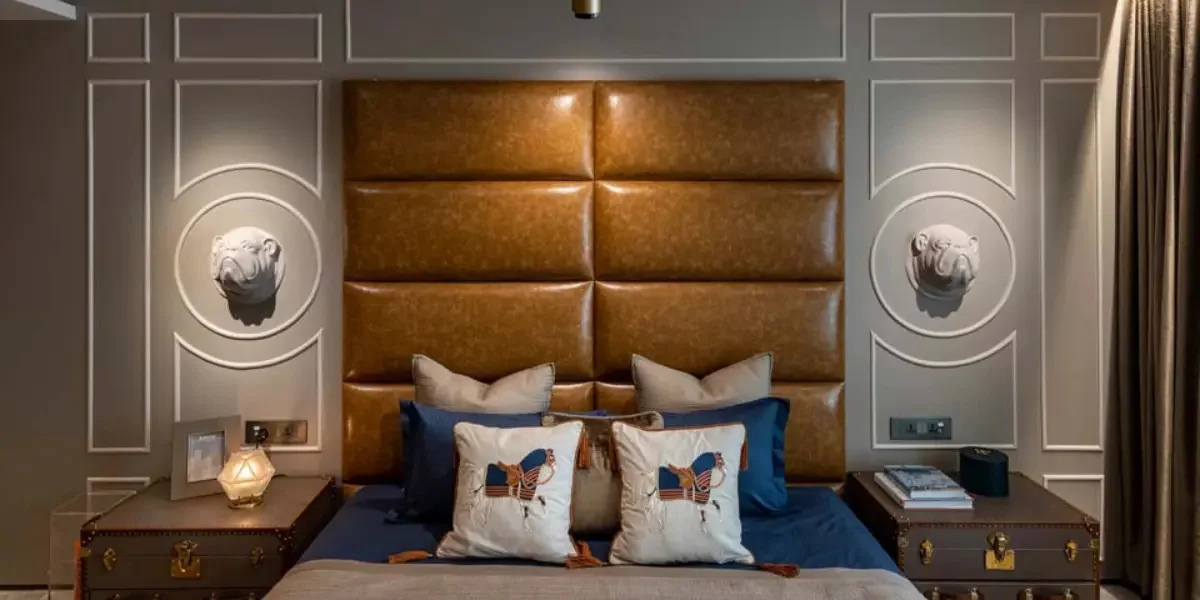
While white and grey are the “safe” choices, modern master bedroom designs are moving toward “Warm Minimalism.”
1. The Foundation:
Oatmeal, sand, or soft terracotta.
Oatmeal, sand, or soft terracotta.
2. The Contrast:
Deep charcoal or matte black hardware.
Deep charcoal or matte black hardware.
3. The Pop:
A single organic color, like sage green or burnt ochre, found only in a pillow or a piece of pottery.
A single organic color, like sage green or burnt ochre, found only in a pillow or a piece of pottery.
According to Vastu principles, the master bedroom should ideally be located in the southwest direction of the home to promote stability and harmony. Use calming colors, avoid excessive clutter, position the bed with a solid headboard against a wall, and ensure the room receives good natural light and ventilation. Combining Vastu recommendations with modern interior design creates a bedroom that feels peaceful and well-balanced.
Soft, earthy, and neutral shades are generally recommended for master bedrooms. Colors such as beige, cream, light brown, soft grey, muted green, pastel blue, and warm white help create a calm and relaxing environment. Avoid overly bright or aggressive colors in large proportions, as they may disrupt the peaceful atmosphere needed for rest and relaxation.
For a south-facing master bedroom, place the bed so that the headboard rests against the south or west wall whenever possible. Choose warm neutral color palettes, maintain good ventilation, and avoid placing mirrors directly opposite the bed. Keeping the room organized, well-lit, and free from unnecessary clutter also supports a balanced and harmonious living environment while complementing modern bedroom design.
Common Pitfalls to Avoid
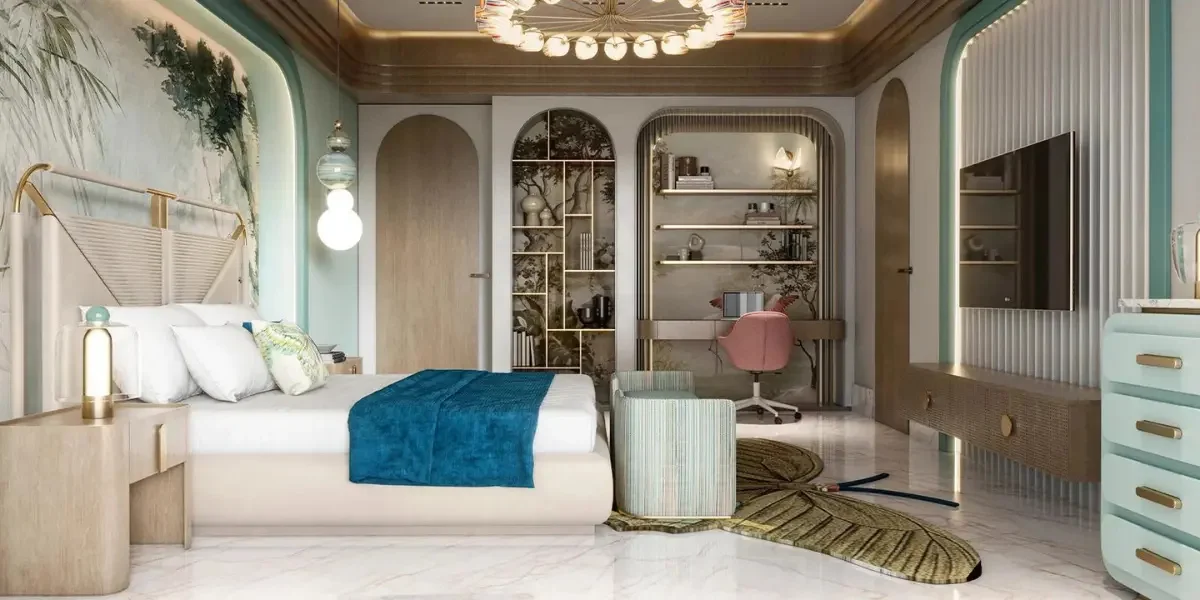
To keep your bedroom looking authentically modern, avoid these three mistakes:
1. Over-accessorizing:
If a surface has more than three items on it, it’s likely too many.
If a surface has more than three items on it, it’s likely too many.
2. Matching Sets:
Never buy the “bedroom in a box” set where the bed, dresser, and nightstand all match perfectly. Modern design is about curation, not matching.
Never buy the “bedroom in a box” set where the bed, dresser, and nightstand all match perfectly. Modern design is about curation, not matching.
3. Visible Cords:
Nothing kills a modern vibe faster than a tangle of black wires. Use cord management boxes or integrated furniture ports.
Nothing kills a modern vibe faster than a tangle of black wires. Use cord management boxes or integrated furniture ports.
Summary: Your Modern Sanctuary Checklist
To transform your space into a modern masterpiece, focus on these final takeaways:
1. Lower the profile:
Choose a platform bed.
Choose a platform bed.
2. Clear the floor:
Use floating furniture where possible.
Use floating furniture where possible.
3. Layer the light:
Move away from single overhead sources.
Move away from single overhead sources.
4. Embrace texture:
Let the fabric be the “pattern” instead of busy prints.
Let the fabric be the “pattern” instead of busy prints.
Modern design isn’t about living in a cold, empty box; it’s about removing the distractions so you can focus on the luxury of the space itself. By implementing these layout, lighting, and furniture strategies, your master bedroom will become the ultimate modern retreat.
FAQ's
To create a luxurious master bedroom, focus on quality rather than quantity. Invest in premium bedding, layered lighting, elegant furniture, natural materials, custom storage, and thoughtfully selected artwork. A neutral color palette, uncluttered layout, and personalized design details contribute to a sophisticated and timeless atmosphere.
Modern master bedrooms typically feature warm neutral shades such as white, beige, sand, taupe, soft grey, and muted earth tones. These colors create a calming backdrop while allowing natural materials, textures, and accent pieces to stand out. Darker tones like charcoal or matte black can be used sparingly to add depth and contrast.
A successful modern bedroom balances aesthetics with everyday practicality. Choose ergonomic furniture, maximize natural light, incorporate smart storage solutions, layer different types of lighting, and maintain open circulation around the room. High-quality materials and thoughtful space planning ensure the bedroom remains both comfortable and visually appealing.
Wood flooring, engineered hardwood, premium vinyl planks, and large-format porcelain tiles are popular choices for modern master bedrooms. These materials provide durability, easy maintenance, and a timeless appearance. Adding a large area rug beneath the bed introduces warmth, texture, and acoustic comfort while defining the sleeping zone.
Yes. Built-in wardrobes maximize storage while maintaining a clean and seamless appearance. Floor-to-ceiling cabinetry, handle-less doors, integrated lighting, and custom internal organizers help reduce visual clutter and create a more spacious, minimalist environment.
Smart home technology enhances both comfort and convenience. Features such as automated lighting, motorized curtains, climate control, wireless charging, integrated audio systems, and voice-controlled devices improve daily living while maintaining the uncluttered aesthetic associated with modern bedroom design.
Avoid overcrowding the room with unnecessary furniture, purchasing oversized matching furniture sets, ignoring lighting layers, using excessive decorative accessories, and leaving visible electrical cords exposed. A successful modern bedroom prioritizes simplicity, proportion, functionality, and thoughtful detailing.
A professional interior designer creates a master bedroom that reflects your lifestyle while maximizing space, comfort, and visual harmony. They assist with layout planning, furniture selection, lighting design, material specification, custom storage, and project coordination, ensuring every element contributes to a cohesive and luxurious living experience.