
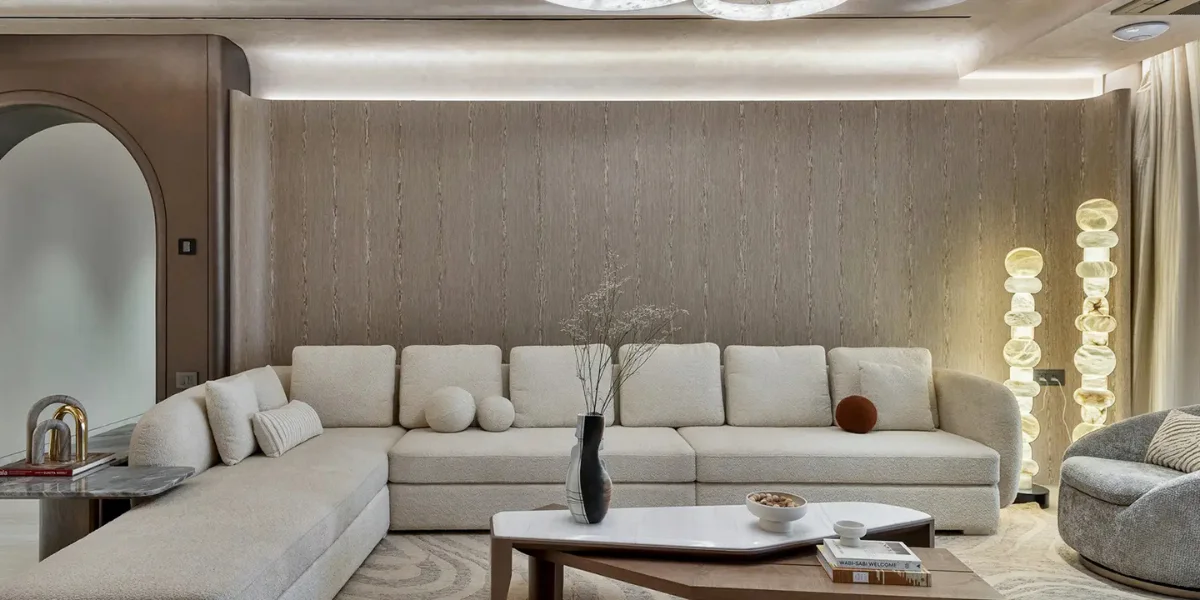
Creating a beautiful space is never just about selecting furniture or choosing paint colors. A successful design concept for interior design begins with a clear vision that connects aesthetics, functionality, personality, and purpose into one cohesive experience. Whether it is a luxury residence, a modern office, or a boutique café, the foundation of every memorable interior lies in a strong concept.
Today, clients want more than visually appealing interiors. They want meaningful spaces that reflect their lifestyle, values, and emotions. This is why developing a thoughtful concept for an interior design project has become one of the most important stages in the design process.
From understanding the client’s goals to selecting materials, layouts, and finishes, every decision contributes to the final outcome. Professional designers often explore multiple interior design concepts before refining the perfect direction for a project.
In this blog, we will explore 5 essential steps that help transform an idea into a successful and practical design. We will also understand the types of concepts in interior design, how different interior design styles influence spaces, and why a strong concept is the backbone of every successful project.
1. Understand the Client's Vision and Lifestyle
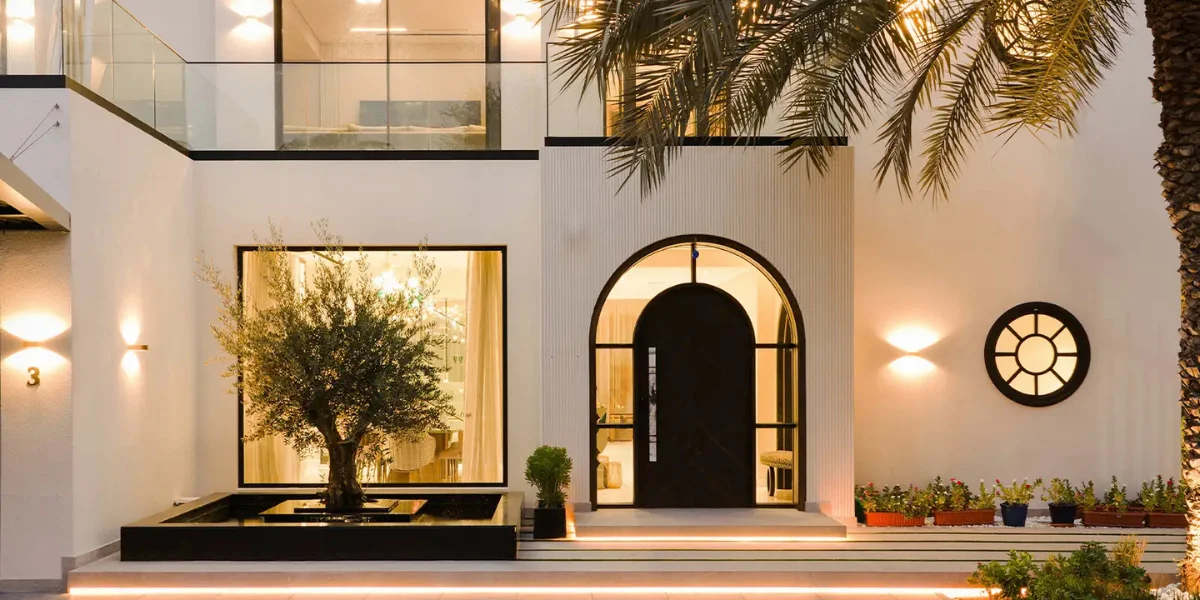
Every successful design concept for interior design starts with understanding the people who will use the space. A beautifully designed room that does not suit the client’s lifestyle will never feel complete.
Professional designers begin by asking questions about habits, preferences, routines, inspirations, and functional needs. A family with children may require practical and durable interiors, while a luxury homeowner may prioritize elegance and statement pieces. Similarly, a creative office may demand collaborative spaces, whereas a wellness clinic may focus on calmness and minimalism.
This discovery phase helps the interior designer identify the emotional and functional goals of the project. It also creates a foundation for selecting the right color palettes, materials, furniture layouts, and decorative elements.
One of the biggest mistakes in modern interiors is blindly following trends without understanding the user. A concept should never feel copied. Instead, it should reflect individuality and purpose. This is why personalized planning plays a crucial role in building successful interior design concepts.
At this stage, designers also explore mood boards, reference images, textures, and inspirations that align with the client’s vision. This process helps define the overall direction and narrows down the many different concepts for interior design available today.
2. Define the Core Design Style
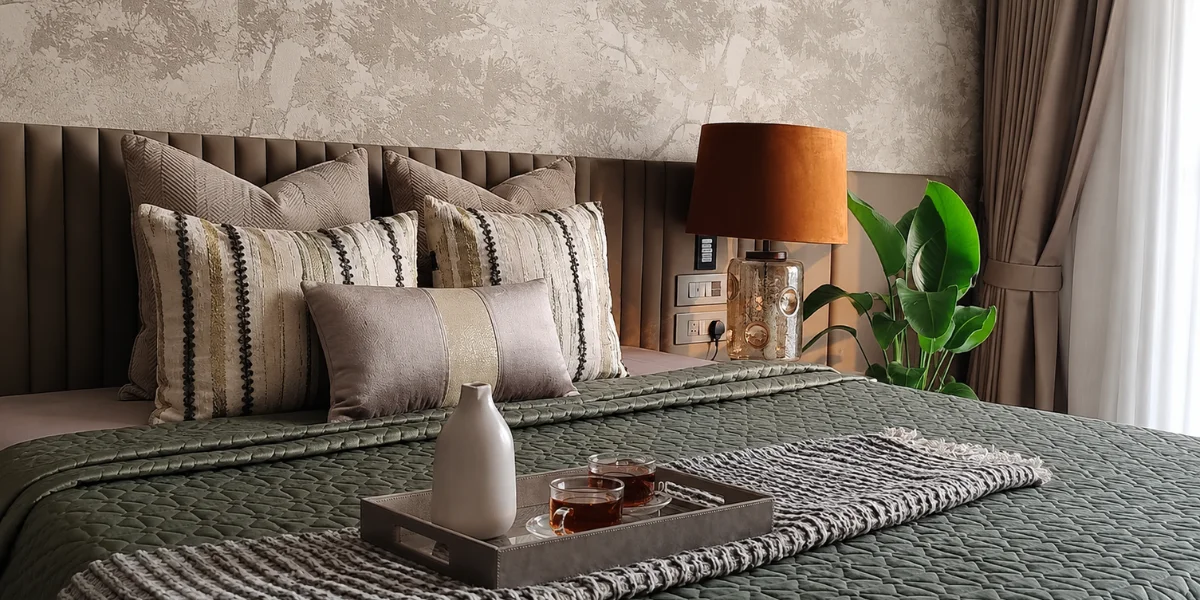
Once the client’s needs are clear, the next step is selecting the overall design direction. This is where different interior design styles come into play.
Every style creates a unique atmosphere and emotional experience. Some popular styles include:
1. Modern Interior Design
3. Contemporary Design
5. Industrial Style
6. Classical and Neoclassical Design
8. Luxury Modern Spaces
9. Japandi Style
10. Rustic and Organic Design
Understanding the types of concepts in interior design helps designers create spaces that feel cohesive and intentional rather than random or cluttered.
For example, a minimalist concept may focus on neutral palettes, clean lines, and open layouts, while a luxury classical concept may feature rich textures, ornate details, and statement lighting. Similarly, Scandinavian interiors emphasize functionality and simplicity, while industrial interiors celebrate raw materials like concrete, brick, and metal.
The chosen style becomes the visual language of the project. It influences every element, including flooring, furniture, lighting, wall treatments, and décor accessories.
An experienced interior designer knows how to balance style with practicality. Instead of rigidly following one trend, many modern spaces combine multiple influences to create fresh and unique interiors. This layered approach often results in more timeless and personalized spaces.
Defining the right concept for an interior design project early ensures consistency throughout the execution process and prevents confusion during material selection and implementation.
3. Create a Functional Space Plan
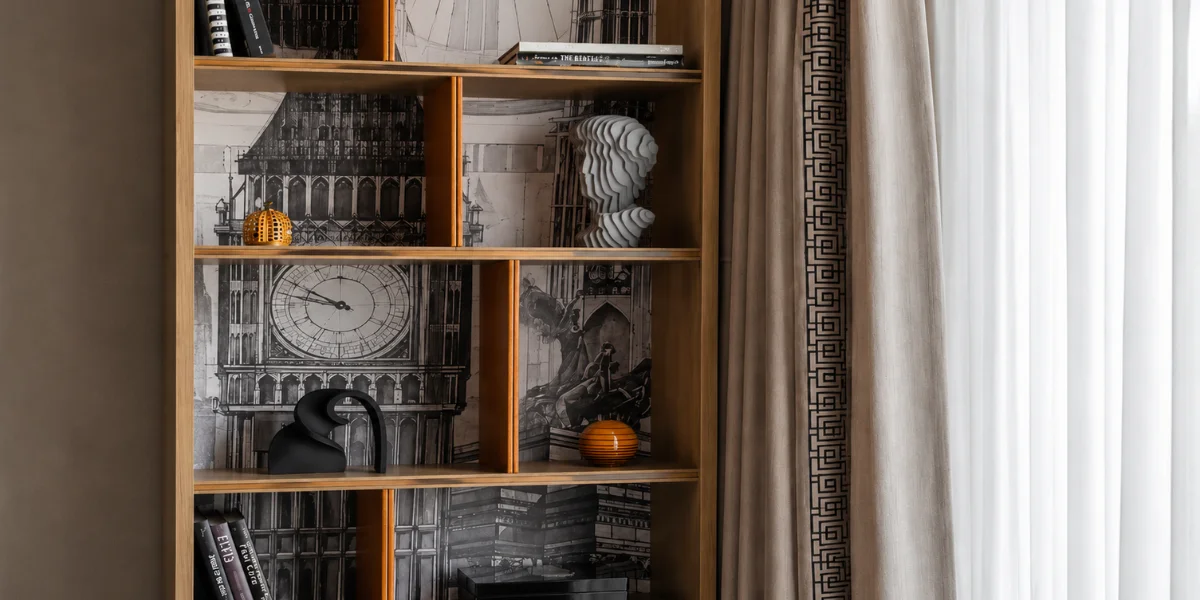
A beautiful interior without functionality can quickly become uncomfortable. This is why space planning is one of the most important stages in developing a successful design concept for interior design.
Space planning focuses on how people move, interact, and experience the environment. It involves furniture layouts, circulation paths, zoning, storage planning, and ergonomic considerations.
Good planning enhances comfort, efficiency, and usability. For example:
1. Open layouts encourage interaction and spaciousness.
2. Strategic lighting improves mood and productivity.
3. Smart storage reduces clutter.
4. Proper furniture placement enhances movement and accessibility.
This stage transforms abstract ideas into practical solutions. It also helps the client visualize how the space will function in daily life.
Many successful interior design concepts are rooted in simplicity and balance. Designers often use scale, proportion, symmetry, and focal points to create visual harmony.
Modern homes especially require multifunctional spaces. With changing lifestyles, rooms often serve multiple purposes such as workspaces, entertainment zones, wellness corners, and social areas. A well-thought-out concept for an interior design project considers these evolving needs from the beginning.
Technology also plays a major role today. Smart lighting, automated systems, hidden storage, and modular furniture have become part of contemporary interior design.
Ultimately, functionality ensures that the final design is not only visually impressive but also comfortable and practical for everyday living.
4. Choose Materials, Colors, and Textures Carefully
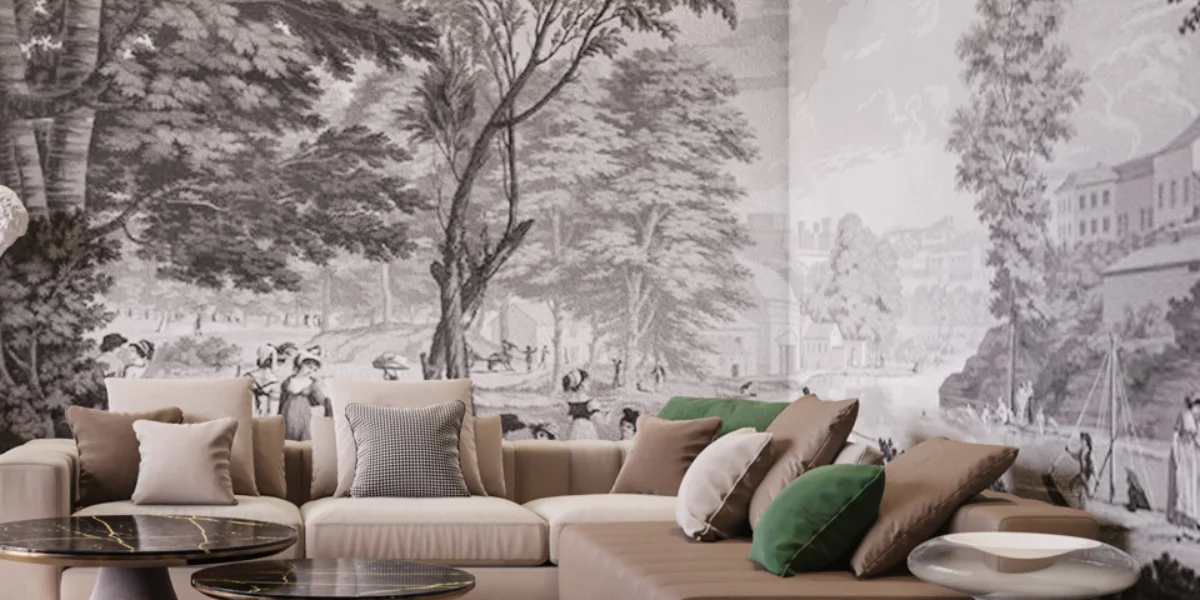
Materials and finishes bring personality to a space. They transform a conceptual vision into a tangible reality.
At this stage, the interior designer selects elements that align with the overall style and emotional mood of the project. These choices include:
1. Flooring materials
2. Wall finishes
3. Fabrics and upholstery
4. Lighting fixtures
5. Furniture materials
6. Decorative accents
7. Color palettes
8. Texture combinations
Color psychology plays a significant role in shaping human emotions. Warm tones create comfort and energy, while cool tones promote calmness and relaxation. Neutral palettes often create timeless elegance, while bold colors add personality and drama.
Textures are equally important in modern interior design concepts. Combining soft fabrics, natural wood, polished stone, metal accents, and layered lighting creates depth and richness within a space.
Material selection should also consider durability and maintenance. High-traffic spaces require practical surfaces, while luxury areas may prioritize aesthetics and exclusivity.
One of the growing types of concepts in interior design today is sustainable and wellness-focused design. Many designers now incorporate eco-friendly materials, natural lighting, indoor plants, and energy-efficient solutions to create healthier interiors.
This approach not only improves aesthetics but also enhances well-being and environmental responsibility.
Successful different concepts for interior design always maintain a balance between beauty, comfort, and functionality. Every material should contribute to the overall narrative of the space rather than appear disconnected.
5. Visualize, Refine, and Execute the Concept
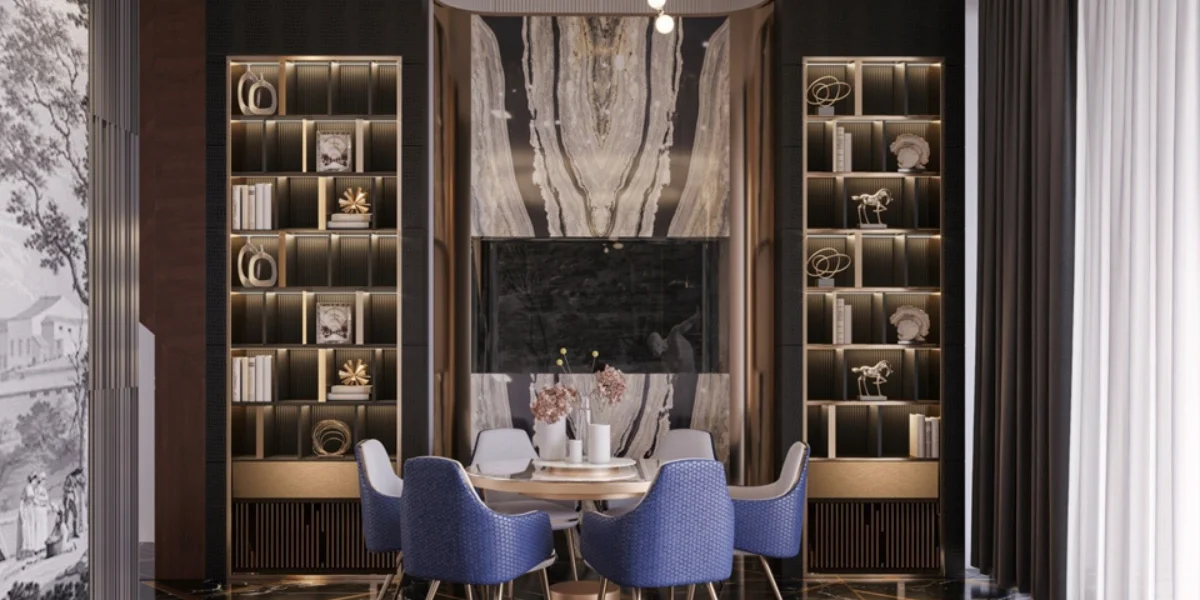
The final step is turning the concept into reality through visualization and execution.
Before implementation begins, designers often create:
1. 3D visualizations
2. Rendered images
3. Concept presentations
4. Material mood boards
5. Technical drawings
6. Furniture layouts
These tools help clients understand the final outcome before construction starts. Visualization reduces errors, improves communication, and ensures that everyone involved shares the same creative direction.
Execution is where planning, creativity, and technical expertise come together. Even the strongest design concept for interior design can fail if execution lacks precision.
This stage involves collaboration between contractors, architects, craftsmen, vendors, and suppliers. Attention to detail becomes essential in maintaining consistency with the original vision.
An experienced interior designer constantly monitors the process to ensure the materials, finishes, lighting, and furniture align with the approved concept.
Flexibility is also important during execution. Sometimes adjustments are required due to site conditions, budget considerations, or practical limitations. However, the core concept should always remain intact.
The best interior design concepts are those that successfully bridge imagination and reality. They create spaces that feel emotionally connected, visually balanced, and functionally effective.
Conclusion
A successful design concept for interior design is much more than a visual idea. It is a strategic process that combines creativity, functionality, emotion, and storytelling into one cohesive experience.
From understanding the client’s lifestyle to selecting the right materials and refining every detail, each step plays an important role in shaping the final space. By exploring various types of concepts in interior design, designers can create interiors that are personalized, timeless, and impactful.
Modern spaces are no longer defined by trends alone. They are defined by thoughtful planning, purposeful functionality, and meaningful aesthetics. Whether working with luxury residences, commercial interiors, hospitality spaces, or wellness environments, a strong concept for interior design project ensures clarity and consistency from beginning to end.
As the industry continues to evolve, the demand for innovative and human-centered interior design concepts will only grow stronger. Understanding the relationship between space, lifestyle, and design allows professionals to create interiors that truly inspire.
Ultimately, the journey from vision to reality begins with one powerful idea a well-crafted concept that transforms empty spaces into extraordinary experiences.
FAQ's
A design concept is a strategic vision that connects aesthetics, functionality, and personality into a single, cohesive experience for a space. It acts as the backbone of a project, ensuring every choice from materials to layout serves a unified purpose.
The process includes understanding the client’s lifestyle, defining a core design style, creating a functional space plan, selecting materials and colours, and finally, visualizing and executing the vision.
Space planning transforms abstract ideas into practical solutions by focusing on how people move and interact within an environment. It ensures the design is not just visually impressive but also ergonomic and efficient for daily use.
Concepts often stem from established styles like Modern, Minimalist, Scandinavian, Industrial, or Japandi. Modern concepts also frequently focus on sustainability, wellness, and multi-functional spaces.
Materials and finishes bring a conceptual vision to life by adding personality and depth. They influence the emotional mood warm tones create energy, while cool tones and soft textures promote relaxation.
Professional designers use 3D visualizations, rendered images, material mood boards, and technical drawings to help clients see the final outcome. This step reduces errors and ensures the original vision is maintained during construction.
A successful concept must reflect the user’s habits and values rather than just following trends. Personalized planning ensures the space is functional for the specific needs of the occupants, such as durability for families or tranquillity for wellness clinics.


