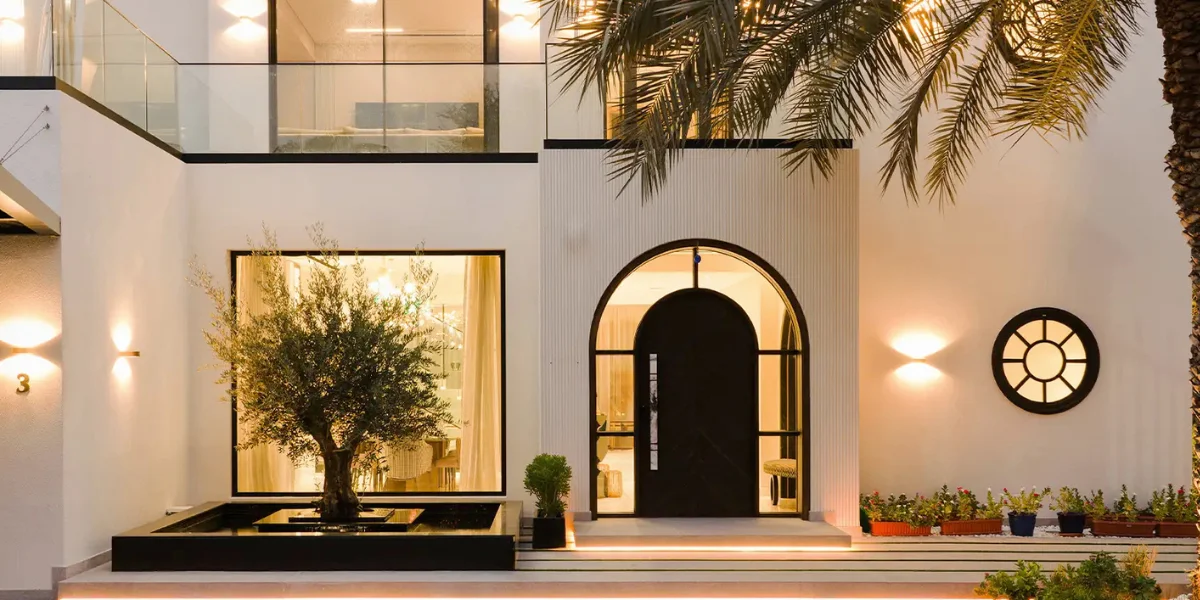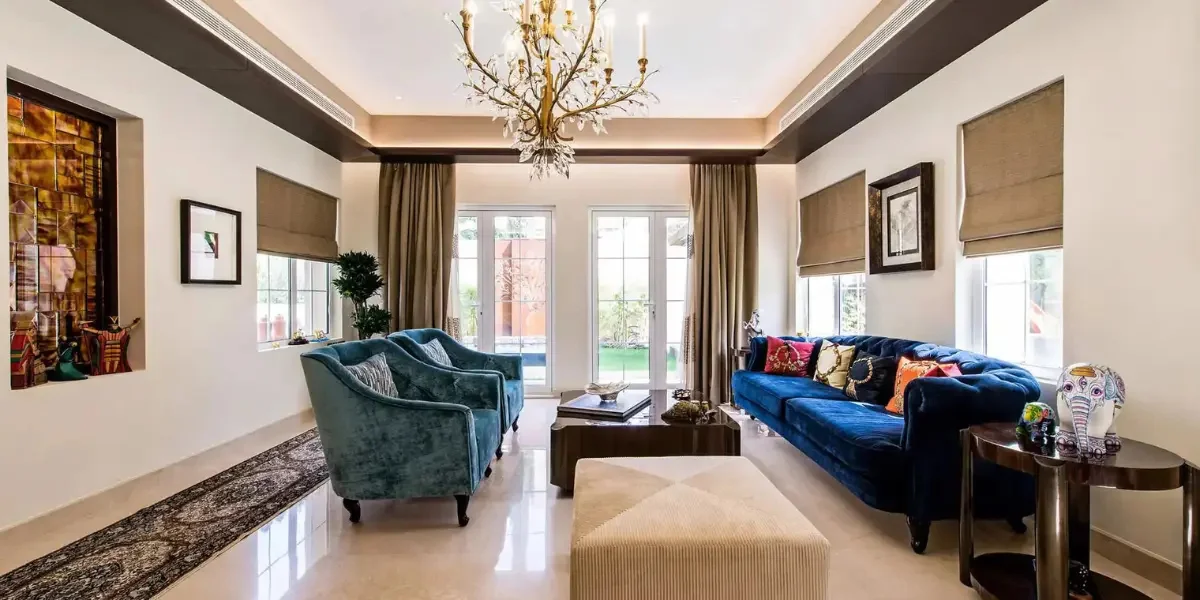

Biophilic Design
Embrace biophilic design to transform your interiors into havens of well-being. Discover how integrating natural elements like light, plants, and materials can reduce stress, boost productivity, and enhance creativity. Learn how this innovative approach to design reconnects us with the natural world, creating healthier, more inspiring spaces for living and working. Explore the core principles and practical applications of biophilic design today.Biophilic Design Concept
The biophilic design concept is rooted in our innate human connection with nature. It goes beyond aesthetics, focusing on creating environments that support our physical and mental well-being. By understanding how natural elements impact our senses and cognitive processes, we can design spaces that are restorative, stimulating, and promote a deeper sense of harmony with the living world.Biophilic Design Elements
Biophilic design elements are the building blocks of a nature-inspired interior. They include natural light, ventilation, indoor plants, water features, and the use of natural materials like wood and stone. Incorporating these elements creates sensory-rich environments that mimic the textures, sounds, and smells of the outdoors, fostering a stronger connection with the natural world.Biophilic Design Principles
Biophilic design principles provide a framework for effectively integrating nature into the built environment. These principles encompass Nature in the Space (direct elements), Natural Analogues (indirect evocation), and Nature of the Space (spatial configurations). By adhering to these guidelines, designers can create spaces that offer prospect, refuge, mystery, and a deep connection to the natural world.Biophilic Design Strategies
Biophilic design strategies offer concrete methods for incorporating natural elements into various settings. These strategies include maximizing natural light, providing views of nature, using natural materials, creating water features, and mimicking natural patterns. By implementing these strategies, designers can transform any space into a biophilic haven that promotes well-being and sustainability.Benefits of Biophilic Design
The benefits of biophilic design extend far beyond aesthetics. Studies have shown that it reduces stress, improves focus, boosts creativity, accelerates healing, and enhances air quality. By creating environments that connect us with nature, biophilic design promotes healthier, happier, and more productive lives, making it a valuable investment in our well-being.
In today’s rapidly urbanizing world, we spend a significant portion of our lives indoors. While modern architecture and technology have provided us with comfort and convenience, they have also inadvertently distanced us from the natural world. This separation can have profound effects on our well-being, productivity, and overall quality of life. Fortunately, there’s a growing movement dedicated to reconnecting us with nature within the built environment: biophilic design.
Biophilic design is more than just adding a few plants to a room; it’s one of the emerging interior design styles. It’s a holistic approach to design that seeks to integrate nature into our buildings and urban spaces, creating environments that are both aesthetically pleasing and supportive of human health and well-being. The interior design process often overlooks the crucial link between human well-being and the built environment; biophilic design addresses this directly. In this blog post, we’ll explore the principles of biophilic design, its benefits, and how you can incorporate it into your own spaces. Understanding the interior design concept behind this approach is key to its successful implementation.
What is Biophilic Design?
The term “biophilia,” coined by biologist E.O. Wilson, refers to the innate human tendency to seek connections with nature and other forms of life. Biophilic design, therefore, is the practice of incorporating natural elements and patterns into the built environment to foster these connections. Interior designers are increasingly adopting this approach to create spaces that resonate with our inherent love for nature.
It goes beyond simply adding greenery. It’s about understanding how nature impacts our senses and cognitive processes, and then using this knowledge to create spaces that are restorative, stimulating, and inspiring. The interior design stages should include a consideration of biophilic principles from the outset.
The Core Principles of Biophilic Design
Biophilic design is based on several core principles, often categorized into three main areas: The biophilic design concept is rooted in these principles, which guide the selection and integration of natural elements.
1. Nature in the Space:
This encompasses the direct incorporation of natural elements into a building or space. This is where we find some of the most tangible biophilic design elements.
This encompasses the direct incorporation of natural elements into a building or space. This is where we find some of the most tangible biophilic design elements.
a. Visual Connection with Nature:
Views of nature, such as landscapes, gardens, or water features.
Views of nature, such as landscapes, gardens, or water features.
b. Non-Visual Connection with Nature:
Auditory (e.g., the sound of running water), tactile (e.g., natural materials like wood or stone), olfactory (e.g., the scent of flowers), or gustatory (e.g., edible gardens) stimuli that evoke a sense of nature.
Auditory (e.g., the sound of running water), tactile (e.g., natural materials like wood or stone), olfactory (e.g., the scent of flowers), or gustatory (e.g., edible gardens) stimuli that evoke a sense of nature.
c. Non-Rhythmic Sensory Stimuli:
Subtle changes in light, shadow, temperature, and airflow that mimic natural variations.
Subtle changes in light, shadow, temperature, and airflow that mimic natural variations.
d. Thermal & Airflow Variability:
Mimicking natural temperature and airflow changes.
Mimicking natural temperature and airflow changes.
e. Presence of Water:
Incorporating water features like fountains, aquariums, or even depictions of water.
Incorporating water features like fountains, aquariums, or even depictions of water.
f. Dynamic & Diffuse Light:
Simulating natural light patterns with varying intensity and shadows.
Simulating natural light patterns with varying intensity and shadows.
g. Connection with Natural Systems:
Awareness of natural processes, such as seasonal changes or the flow of water.
Awareness of natural processes, such as seasonal changes or the flow of water.
2. Natural Analogues:
This refers to the use of materials, colors, shapes, and patterns that evoke nature indirectly.
This refers to the use of materials, colors, shapes, and patterns that evoke nature indirectly.
a. Biomorphic Forms & Patterns:
Incorporating organic shapes, patterns, and motifs found in nature.
Incorporating organic shapes, patterns, and motifs found in nature.
b. Material Connection with Nature:
Using natural materials like wood, stone, bamboo, and cotton.
Using natural materials like wood, stone, bamboo, and cotton.
c. Complexity & Order:
Creating visually rich and stimulating environments that have a sense of underlying organization, similar to natural ecosystems.
Creating visually rich and stimulating environments that have a sense of underlying organization, similar to natural ecosystems.
3. Nature of the Space:
This focuses on the spatial configurations and relationships that are inherent in nature.
This focuses on the spatial configurations and relationships that are inherent in nature.
a. Prospect:
Providing unobstructed views over a distance, offering a sense of safety and control.
Providing unobstructed views over a distance, offering a sense of safety and control.
b. Refuge:
Creating sheltered and protected spaces for relaxation and contemplation.
Creating sheltered and protected spaces for relaxation and contemplation.
c. Mystery:
Designing spaces that encourage exploration and discovery.
Designing spaces that encourage exploration and discovery.
d. Risk/Peril:
Incorporating elements of controlled risk or excitement, such as heights or narrow passages, to stimulate our senses.
Incorporating elements of controlled risk or excitement, such as heights or narrow passages, to stimulate our senses.
The Benefits of Biophilic Design
The benefits of biophilic design are wide-ranging and well-documented. Studies have shown that incorporating natural elements into our environments can lead to:
1. Improved Well-being:
Biophilic design reduces stress, anxiety, and depression, promoting a sense of calm and well-being.
Biophilic design reduces stress, anxiety, and depression, promoting a sense of calm and well-being.
2. Increased Productivity:
Access to nature can enhance focus, concentration, and cognitive performance, leading to increased productivity in workplaces and learning environments.
Access to nature can enhance focus, concentration, and cognitive performance, leading to increased productivity in workplaces and learning environments.
3. Faster Healing:
Exposure to nature has been shown to accelerate healing rates in hospitals and reduce the need for pain medication.
Exposure to nature has been shown to accelerate healing rates in hospitals and reduce the need for pain medication.
4. Enhanced Creativity:
Natural environments can stimulate creativity and innovation by providing a source of inspiration and wonder.
Natural environments can stimulate creativity and innovation by providing a source of inspiration and wonder.
5. Improved Air Quality:
Plants and natural materials can help to filter pollutants and improve air quality indoors.
Plants and natural materials can help to filter pollutants and improve air quality indoors.
6. Reduced Energy Consumption:
Biophilic design strategies such as natural lighting and ventilation can reduce reliance on artificial systems, leading to energy savings.
Biophilic design strategies such as natural lighting and ventilation can reduce reliance on artificial systems, leading to energy savings.
7. Strengthened Community:
Shared green spaces and natural amenities can foster social interaction and a sense of community.
Shared green spaces and natural amenities can foster social interaction and a sense of community.
How to Incorporate Biophilic Design
Biophilic design can be implemented in a variety of settings, from homes and offices to schools, hospitals, and urban spaces. Here are some practical ways to incorporate biophilic design elements into your designs, guided by the biophilic design principles:
1. Maximize Natural Light:
Design buildings to maximize natural light penetration, using large windows, skylights, and light shelves.
Design buildings to maximize natural light penetration, using large windows, skylights, and light shelves.
2. Provide Views of Nature:
Orient buildings to provide views of natural landscapes, gardens, or water features. If direct views are not possible, consider using photographs, paintings, or virtual reality simulations of nature.
Orient buildings to provide views of natural landscapes, gardens, or water features. If direct views are not possible, consider using photographs, paintings, or virtual reality simulations of nature.
3. Incorporate Plants:
Introduce indoor plants, green walls, and vertical gardens to bring nature into the space. Choose plants that are appropriate for the environment and provide visual interest.
Introduce indoor plants, green walls, and vertical gardens to bring nature into the space. Choose plants that are appropriate for the environment and provide visual interest.
4. Use Natural Materials:
Specify natural materials such as wood, stone, bamboo, and cotton for flooring, walls, furniture, and other building elements.
Specify natural materials such as wood, stone, bamboo, and cotton for flooring, walls, furniture, and other building elements.
5. Create Water Features:
Incorporate water features such as fountains, ponds, or aquariums to add a soothing and visually appealing element to the space.
Incorporate water features such as fountains, ponds, or aquariums to add a soothing and visually appealing element to the space.
6. Mimic Natural Patterns:
Use biomorphic forms, patterns, and colors in your designs to evoke a sense of nature.
Use biomorphic forms, patterns, and colors in your designs to evoke a sense of nature.
7. Provide Access to Outdoor Spaces:
Create outdoor spaces such as gardens, patios, or balconies where people can connect with nature.
Create outdoor spaces such as gardens, patios, or balconies where people can connect with nature.
8. Consider Sensory Experiences:
Pay attention to the auditory, tactile, and olfactory qualities of the space. Incorporate natural sounds, textures, and scents to stimulate the senses.
Pay attention to the auditory, tactile, and olfactory qualities of the space. Incorporate natural sounds, textures, and scents to stimulate the senses.
9. Optimize Air Quality:
Use natural ventilation strategies and air-purifying plants to improve indoor air quality.
Use natural ventilation strategies and air-purifying plants to improve indoor air quality.
10. Think About Spatial Configuration:
Create spaces that offer a sense of prospect, refuge, mystery, and risk/peril, similar to natural environments.
Create spaces that offer a sense of prospect, refuge, mystery, and risk/peril, similar to natural environments.
Examples of Biophilic Design in Action
1. The Eden Project (Cornwall, UK):
This botanical garden features massive biomes that house plants from around the world, creating a stunning and immersive natural environment.
This botanical garden features massive biomes that house plants from around the world, creating a stunning and immersive natural environment.
2. Khoo Teck Puat Hospital (Singapore):
This hospital incorporates lush greenery, natural light, and water features to create a healing and restorative environment for patients and staff.
This hospital incorporates lush greenery, natural light, and water features to create a healing and restorative environment for patients and staff.
3. Bullitt Center (Seattle, USA):
This office building is designed to be net-zero energy and incorporates a variety of biophilic design elements, including natural light, ventilation, and a green roof.
This office building is designed to be net-zero energy and incorporates a variety of biophilic design elements, including natural light, ventilation, and a green roof.
4. Maggie’s Centres (UK):
These cancer support centers are designed to provide a calming and supportive environment for patients and their families, often featuring gardens and natural light.
These cancer support centers are designed to provide a calming and supportive environment for patients and their families, often featuring gardens and natural light.
Conclusion:
Biophilic design is a powerful tool for creating healthier, more productive, and more inspiring environments. By reconnecting us with nature, it can enhance our well-being, boost our creativity, and improve our overall quality of life. As we continue to grapple with the challenges of urbanization and environmental degradation, biophilic design offers a path forward towards a more sustainable and harmonious relationship with the natural world. By consciously integrating nature into our built environment, guided by solid biophilic design principles and biophilic design strategies, we can create spaces that not only meet our functional needs but also nurture our innate human connection with the living world. It’s an investment in our health, our happiness, and our future, and a vital consideration in any comprehensive interior design process.
FAQ's
Biophilic interior design integrates natural elements and patterns into indoor spaces to foster a connection with nature. It goes beyond mere decoration, aiming to enhance well-being, productivity, and overall quality of life by incorporating natural light, materials, and forms. It’s a holistic approach to creating restorative and stimulating environments.
Biophilic design is crucial in our increasingly urbanized world because it addresses our innate need to connect with nature. By bringing natural elements indoors, it reduces stress, improves focus, boosts creativity, and promotes healing. It fosters healthier, happier, and more productive living and working spaces, countering the negative effects of urban life.
Yes, biophilic design can be highly sustainable. By prioritizing natural light and ventilation, using sustainable materials, and incorporating elements that improve air quality, it reduces energy consumption and promotes environmental responsibility. When implemented thoughtfully, it supports both human well-being and ecological balance, contributing to a more sustainable future.
The advantages of biophilic design are numerous, including improved mental and physical well-being, increased productivity and creativity, faster healing rates, enhanced air quality, and reduced energy consumption. It also fosters a stronger sense of community and connection to the natural world, creating more enjoyable and supportive environments for living and working.
Biophilic design elements are the specific natural components incorporated into a space. These include natural light, ventilation, indoor plants, water features, natural materials (like wood and stone), and sensory experiences (such as natural sounds and scents). These elements work together to create an environment that mimics and celebrates the natural world.
Biophilic design principles guide the integration of natural elements, focusing on three main areas: Nature in the Space (direct incorporation), Natural Analogues (indirect evocation), and Nature of the Space (spatial configurations). These principles ensure that designs provide visual and non-visual connections with nature, use biomorphic forms, and create spaces that offer prospect, refuge, and mystery.