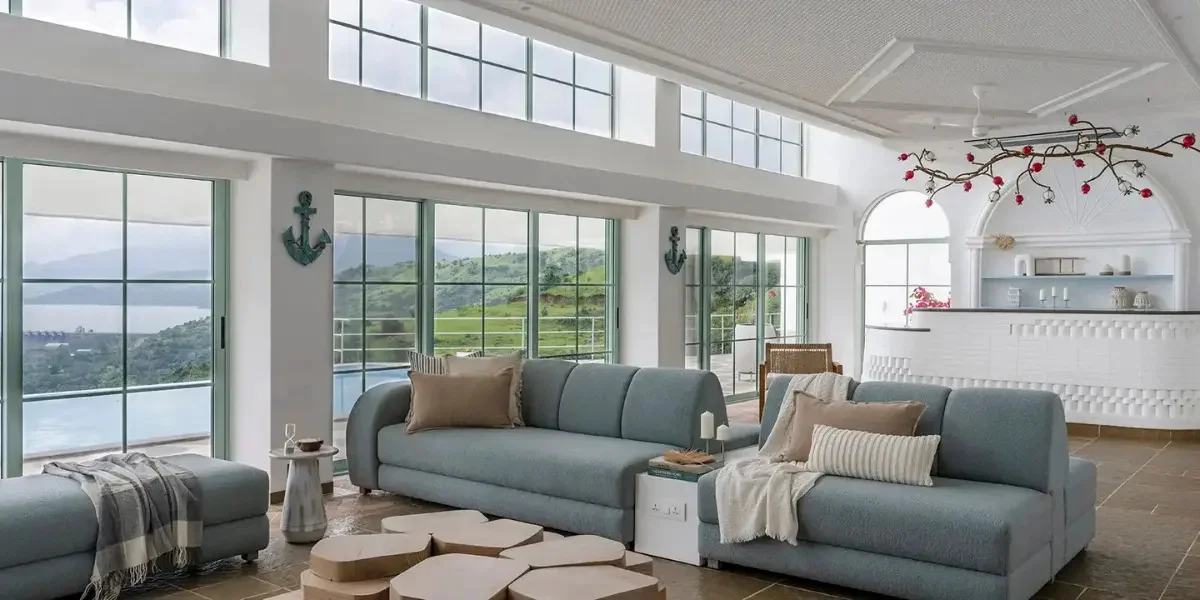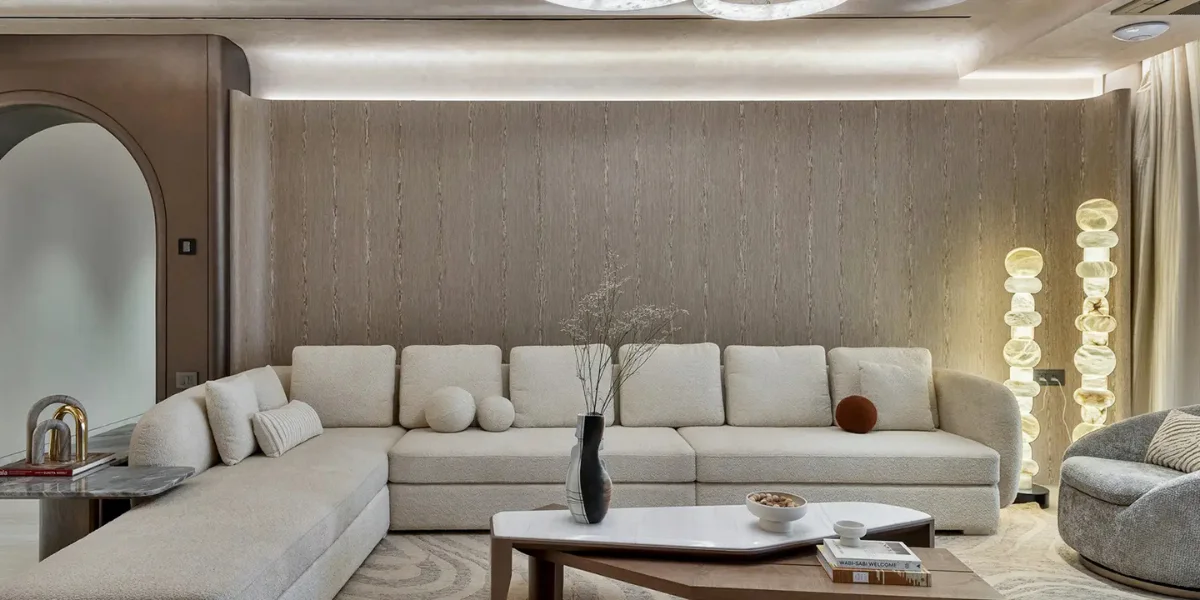
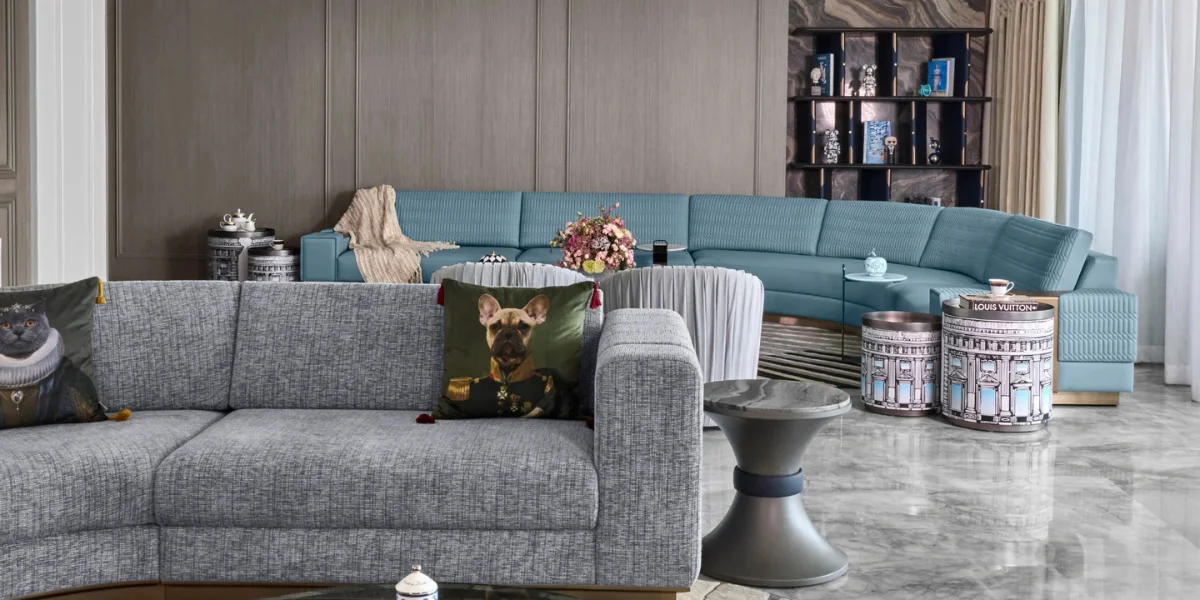
Home Style and Design
Modern Home Style and Design is no longer only about visual appeal. Today, homeowners want spaces that improve comfort, wellness, and emotional balance while reflecting personal taste. Thoughtful interiors combine functionality with aesthetics to create peaceful living environments. From calming colour palettes and natural textures to smart layouts and sustainable materials, wellness-focused homes are becoming increasingly popular. A balanced design approach helps create interiors that feel warm, inviting, and timeless while supporting healthier everyday living for individuals and families alike.
Home Design and Decoration
Thoughtful Home Design and Decoration can completely transform the mood and functionality of a living space. The right furniture, lighting, textures, and décor elements create harmony while making interiors feel more personalized and comfortable. Wellness-focused decorating emphasizes natural materials, clutter-free layouts, and calming colours that encourage relaxation. Whether designing a compact apartment or a luxury villa, strategic decoration choices help improve the visual flow and emotional atmosphere of the home while enhancing both practicality and long-term comfort.
Home Styling
Creative Home Styling helps bring personality and warmth into every room while maintaining visual balance and functionality. Styling involves carefully selecting furniture, artwork, fabrics, lighting, and accessories that reflect the homeowner’s lifestyle and taste. Modern styling trends focus on comfort-driven spaces with natural textures, indoor greenery, layered lighting, and timeless décor pieces. A well-styled home feels inviting, organized, and emotionally comforting while supporting wellness, productivity, and relaxation in everyday life.
Home Decor and Design
Elegant Home Decor and Design combines aesthetics with comfort to create interiors that feel both beautiful and livable. From statement furniture and artistic accents to soothing colour schemes and organic materials, every design element contributes to the atmosphere of a home. Modern homeowners are increasingly choosing décor that supports wellness, sustainability, and functionality. Thoughtfully designed interiors improve emotional well-being while creating stylish environments that feel welcoming, peaceful, and deeply connected to personal living experiences.
Home Wellness Spaces
Dedicated Home Wellness Spaces are becoming an essential part of modern interior planning. These areas are designed to encourage relaxation, mindfulness, fitness, and emotional balance within the home environment. Wellness spaces can include meditation corners, spa-inspired bathrooms, reading nooks, indoor gardens, or calming lounge areas. By incorporating soft lighting, natural textures, comfortable seating, and peaceful colour palettes, homeowners can create restorative spaces that help reduce stress and improve overall daily well-being.
Home Wellness Design
Modern Home Wellness Design focuses on creating interiors that support healthier lifestyles through intentional planning and mindful décor choices. This design philosophy combines natural lighting, ventilation, ergonomic furniture, sustainable materials, and calming aesthetics to improve both physical and emotional comfort. Wellness-centered interiors prioritize simplicity, functionality, and emotional connection while encouraging relaxation and balance. By integrating thoughtful design elements into everyday living spaces, homeowners can create environments that nurture peace, positivity, and long-term well-being.
In today’s fast-moving world, our homes are no longer just places to sleep or store belongings. They have become personal sanctuaries where comfort, wellness, and emotional balance matter just as much as aesthetics. A thoughtful Home Style and Design approach can improve mood, reduce stress, encourage relaxation, and create a healthier lifestyle for every member of the family.
Modern homeowners are now shifting toward wellness-focused living spaces that combine beauty with functionality. From calming colour palettes and natural materials to mindful layouts and sustainable décor, wellness-centered Home Interiors are redefining how we experience everyday living.
This guide explores how to create a wellness-first home while understanding different interior design styles, practical planning methods, and timeless inspirations from around the world.
What Is Wellness-First Home Style and Design?

A wellness-first Home Style and Design philosophy focuses on creating interiors that support physical, mental, and emotional well-being. Instead of designing only for visual appeal, this approach considers how a space feels, functions, and influences daily life.
Wellness-based home decor and design includes:
1. Natural lighting
2. Better air circulation
3. Clutter-free layouts
4. Comfort-driven furniture
5. Organic materials
6. Relaxing colour combinations
7. Biophilic design elements like plants and water features
The goal is to create an environment that feels peaceful, restorative, and deeply personal.
Today, many homeowners are combining wellness concepts with modern home styling trends to create spaces that look luxurious while also supporting healthier living habits.
Wellness-first home style and design is an approach that creates living spaces to support physical comfort, mental calm, and emotional well-being. It combines natural light, fresh air, calming colors, comfortable furniture, clutter-free layouts, and natural materials. Instead of focusing only on appearance, wellness-focused design considers how the home feels and supports everyday life.
The key elements of a wellness-focused home include:
- Abundant natural light and ventilation
- Clutter-free and functional layouts
- Comfortable, ergonomic furniture
- Calming and nature-inspired colors
- Natural materials such as wood and stone
- Indoor plants and biophilic design elements
- Dedicated spaces for rest and relaxation
Together, these elements create healthier and more restorative home interiors.
Thoughtful home style and design can improve well-being by creating spaces that support relaxation, productivity, sleep, and social connection. Natural light can make interiors feel brighter, organized layouts reduce visual stress, and comfortable furniture supports daily activities. Personalized interiors also create a stronger emotional connection to the home, making everyday living feel more comfortable and meaningful.
A calm and restorative home interior combines soft colors, natural light, comfortable furniture, organized spaces, and natural textures. Reducing unnecessary clutter and using materials such as wood, linen, and stone can create a warmer atmosphere. Indoor greenery, soft lighting, and quiet wellness zones further help establish a peaceful environment for relaxation.
Traditional home decorating often focuses primarily on visual appearance, furniture, colors, and accessories. Wellness interior design takes a broader approach by considering comfort, natural light, ventilation, movement, emotional well-being, and everyday routines. The goal is to create a home that not only looks beautiful but also supports a healthier and more balanced lifestyle.
You can create a wellness-focused home through simple changes such as decluttering rooms, improving furniture placement, introducing indoor plants, and maximizing natural light. Replace heavy curtains with sheer fabrics, add warm layered lighting, use calming colors, and create a small reading or relaxation corner. These thoughtful home styling changes can improve the atmosphere without a major renovation.
Why Home Interiors Influence Mental Wellness

Research consistently shows that surroundings directly impact mood and productivity. Poorly designed interiors can feel overwhelming, while thoughtful Home Interiors can create calmness and emotional stability.
A well-planned home can:
1. Reduce anxiety and stress
2. Improve sleep quality
3. Encourage mindfulness
4. Increase productivity
5. Support stronger family connections
6. Create emotional comfort
This is why many homeowners now work closely with an interior designer to create spaces tailored to their lifestyle, habits, and emotional needs.
Wellness-centered interiors are not about expensive decoration. Instead, they focus on intentional living through smart home design and decoration choices.
Home interiors can influence mood, comfort, concentration, and stress levels through lighting, colors, layouts, and visual organization. Bright, well-ventilated, and clutter-free spaces often feel more calming and comfortable. Thoughtful interior design can create environments that support relaxation, productivity, and a greater sense of emotional balance in everyday life.
Interior design can help create a less stressful home environment by reducing visual clutter and improving comfort, lighting, and organization. Calming color palettes, natural materials, indoor plants, and clearly defined relaxation spaces can make interiors feel more peaceful. While interior design is not a treatment for anxiety, a supportive home environment may contribute to everyday comfort and relaxation.
Features that can contribute to a calming home environment include:
- Soft, neutral, and nature-inspired colors
- Natural daylight and good ventilation
- Comfortable and ergonomic furniture
- Organized storage and clutter-free surfaces
- Natural materials and textures
- Indoor plants and greenery
- Warm, layered evening lighting
The most effective interiors combine these elements according to the homeowner’s lifestyle and preferences.
Home design influences mood and productivity by shaping how comfortable, organized, and functional a space feels. Natural light, appropriate task lighting, ergonomic furniture, and clear layouts can support focus, while excessive clutter and poor circulation may create distractions. Designing specific areas for work and relaxation also helps establish clearer routines within the home.
A well-designed bedroom can create conditions that are more supportive of restful sleep. Blackout window treatments, comfortable bedding, controlled lighting, good ventilation, and a calm color palette can help establish a relaxing environment. Reducing visual clutter and limiting bright or distracting elements also helps make the bedroom feel more suitable for rest.
Emotional well-being is important because people spend a significant amount of time within their homes. Interiors that reflect personal routines, memories, preferences, and comfort needs can create a stronger sense of belonging. Designing for emotional well-being helps transform a visually attractive house into a more personal, comfortable, and meaningful living environment.
Start with Natural Light and Ventilation

One of the most important aspects of wellness-based Home Style and Design is maximizing natural light. Bright, airy spaces naturally improve mood and energy levels.
Tips to improve lighting:
1. Use sheer curtains instead of heavy drapes
2. Add mirrors to reflect daylight
3. Choose lighter wall colors
4. Keep windows unobstructed
5. Use warm ambient lighting during evenings
Fresh air circulation is equally important. Open layouts, indoor plants, and breathable fabrics can instantly make Home Interiors feel more relaxing and refreshing.
Natural elements help create a deeper connection between indoor living and the outside environment, which is a core principle in many modern interior concept strategies.
Natural light is important because it creates brighter, more welcoming interiors and strengthens the visual connection between indoor and outdoor environments. It can also support normal daily light-dark cues and make spaces feel more open. Wellness-focused home design uses windows, open layouts, and reflective surfaces to make better use of available daylight.
To increase natural light, keep windows unobstructed, use sheer curtains, choose lighter wall colors, and strategically place mirrors to reflect daylight. Glass partitions and open layouts can also allow light to travel between rooms. Furniture should be positioned carefully so large pieces do not unnecessarily block windows or natural light pathways.
Natural light can make home interiors feel brighter, more spacious, and connected to the outdoors. Daylight exposure also plays a role in the body’s normal daily rhythms. Designing living and working areas to receive appropriate natural light can contribute to a more comfortable and pleasant home environment.
Ventilation can be improved by maintaining clear airflow paths between windows and doors, avoiding oversized furniture that blocks openings, and using layouts that support cross ventilation where the architecture permits. Breathable fabrics, open internal spaces, and appropriate window treatments can also help. Mechanical ventilation may be needed in enclosed kitchens, bathrooms, and other areas with limited natural airflow.
Use light-colored walls, large mirrors, reflective surfaces, sheer curtains, and furniture with lighter finishes to make a dark room feel brighter. Layer ambient, task, and accent lighting instead of relying on a single ceiling fixture. Minimal window obstruction and a simpler décor scheme can also reduce visual heaviness and create a more open atmosphere.
Natural light and effective ventilation contribute to a more comfortable indoor environment. Daylight supports a home’s connection with the outdoors, while ventilation helps move fresh air through living spaces and manage indoor moisture and odors. When considered together during interior planning, these elements can improve everyday comfort and support a wellness-focused approach to home design.
Choose Calming Colors for Emotional Balance

Colors play a major role in emotional wellness. The right tones can make a home feel soothing, spacious, and welcoming.
Popular wellness-friendly shades include:
1. Soft beige
2. Warm white
3. Sage green
4. Dusty blue
5. Earthy terracotta
6. Muted greys
These tones work beautifully across different types of home design styles and can easily blend with modern or traditional aesthetics.
For example:
1. A modern home style often uses neutral palettes with minimal clutter
2. A mediterranean home style incorporates earthy whites and ocean-inspired blues
3. A contemporary home style combines clean lines with warm textures
By understanding various home style types, homeowners can select colour schemes that align with their personality and wellness goals.
Calming colors for home interiors include soft beige, warm white, sage green, dusty blue, muted grey, and earthy terracotta. These shades create a soothing and balanced atmosphere while working across different home design styles. The ideal color palette should also consider natural light, room size, and the emotional mood you want to create.
Color psychology explores how different colors can influence the way a space is perceived and experienced. Warm shades may create a sense of comfort and energy, while cooler colors often feel calm and refreshing. Neutral tones can establish a timeless foundation. Interior designers use color thoughtfully to support the function and desired atmosphere of each room.
Soft, muted colors such as warm whites, beige, sage green, dusty blue, taupe, and gentle earth tones can help create a peaceful visual atmosphere. Instead of using many contrasting shades, choose a cohesive palette and layer it with natural textures. The result is a home interior that feels balanced, comfortable, and visually calm.
Decluttering reduces visual distractions and can make everyday spaces feel easier to use and maintain. Organized rooms with clear surfaces and defined storage often create a greater sense of order and calm. Wellness-focused home styling does not require removing every decorative item; it prioritizes keeping objects that are useful, meaningful, or contribute positively to the space.
Create a clutter-free home by combining smart storage with meaningful décor. Use concealed cabinets, built-in storage, decorative baskets, and multifunctional furniture to organize everyday items. Add warmth through artwork, textiles, indoor plants, books, and personal objects. The goal is to create visual breathing room without removing the personality of the home.
Effective storage ideas include floor-to-ceiling cabinetry, built-in wardrobes, under-bed drawers, concealed kitchen storage, multifunctional furniture, and organized entryway units. Storage should be planned around daily routines so frequently used items remain accessible while unnecessary visual clutter stays hidden. Thoughtful storage is an important part of wellness-focused home interiors.
Decluttering Is Essential for Wellness

Clutter can create visual stress and mental fatigue. One of the simplest ways to improve your Home Style and Design is by creating organized, breathable spaces.
Decluttering strategies:
1. Use hidden storage solutions
2. Keep only meaningful décor
3. Avoid overcrowding furniture
4. Maintain clean surfaces
5. Organize room-by-room
Minimal yet functional home styling creates a sense of mental clarity. Many modern interior design styles now emphasize simplicity because clean environments naturally feel more peaceful.
This does not mean your home should feel empty. Instead, every item should have a purpose, whether practical or emotional.
Bring Nature Indoors

Nature-inspired interiors are central to wellness-focused home decor and design. Plants, natural textures, and earthy materials create a calming atmosphere while improving indoor air quality.
Add wellness through nature:
1. Indoor plants
2. Wooden furniture
3. Stone textures
4. Linen fabrics
5. Water-inspired décor
6. Natural fibre rugs
This concept works across many global home style types.
For example:
1. A hawaiian home style emphasizes tropical greenery and airy openness
2. A mexican home style celebrates earthy materials and handcrafted décor
3. A colonial home style often incorporates timeless wooden elements and symmetry
Blending nature with thoughtful Home Interiors helps create emotional warmth and balance.
Biophilic design is an interior design approach that strengthens the connection between people and nature. It incorporates natural light, indoor plants, organic materials, outdoor views, natural textures, and nature-inspired forms. In home interiors, biophilic design can create spaces that feel warmer, calmer, and more connected to the natural environment.
You can bring nature indoors by adding indoor plants, natural wood, stone surfaces, linen fabrics, and earthy color palettes. Maximize outdoor views and natural light wherever possible. Small water features, botanical artwork, natural fibre rugs, and furniture with organic shapes can also introduce nature-inspired elements into the home.
Popular natural materials for wellness-focused interiors include:
- Natural wood
- Stone and marble
- Linen
- Cotton
- Wool
- Rattan and cane
- Jute and other natural fibres
These materials introduce texture and visual warmth while creating a stronger connection with nature. Material selection should also consider durability, maintenance, climate, and the function of the room.
Indoor plants introduce greenery, natural forms, and visual softness into home interiors. They can make spaces feel more connected to nature and add warmth to minimalist or contemporary rooms. Some plants may also contribute to indoor humidity or air quality under specific conditions, but plant selection should consider available light, maintenance requirements, and household needs.
Simple biophilic design ideas include placing plants near natural light, using wood and stone finishes, maximizing garden views, and choosing nature-inspired colors. You can also introduce organic furniture shapes, botanical artwork, natural fabrics, and textured surfaces. Even small design changes can strengthen the connection between indoor spaces and nature.
Biophilic design may support a more calming and restorative experience by creating stronger visual and sensory connections with nature. Natural light, greenery, outdoor views, and organic materials can make interiors feel less sterile and more comfortable. The effectiveness of these elements varies by individual, but they are widely used in wellness-focused interior design.
Create Functional Wellness Zones

Modern homes often serve multiple purposes working, relaxing, entertaining, and exercising. Wellness-based Home Style and Design focuses on creating dedicated zones for each activity.
Important Home wellness spaces include:
1. Meditation corners
2. Reading nooks
3. Relaxation lounges
4. Indoor garden areas
5. Wellness bathrooms
6. Comfortable workspaces
A thoughtful interior design process ensures that each room supports daily routines without creating chaos or overstimulation.
For example:
1. Bedrooms should encourage deep rest
2. Living rooms should promote social comfort
3. Home offices should enhance focus
4. Bathrooms should feel spa-like
This strategic planning is why hiring an experienced interior designer can significantly improve the functionality and emotional impact of a home.
A wellness zone is a dedicated area within the home designed to support relaxation, mindfulness, exercise, focused work, or another restorative activity. It may be a meditation corner, reading nook, yoga space, spa-inspired bathroom, or indoor garden area. The zone does not need to be a separate room; thoughtful space planning can create one within an existing interior.
Start by identifying the activities that contribute most to your everyday well-being, such as reading, meditation, yoga, or quiet relaxation. Choose an underused area and add comfortable furniture, appropriate lighting, organized storage, and calming materials. Keep the zone visually simple and design it specifically around its intended purpose.
Popular wellness spaces for modern homes include:
- Meditation and yoga rooms
- Quiet reading lounges
- Spa-inspired bathrooms
- Home gyms
- Indoor garden areas
- Screen-free relaxation rooms
The best wellness room depends on your lifestyle, available space, and daily routines. Even a small dedicated corner can function effectively when planned thoughtfully.
Choose a quiet area away from high-traffic zones and keep the layout simple. Add comfortable floor seating or an accent chair, warm lighting, soft textiles, and natural materials. Indoor plants or a calming outdoor view can enhance the space. Concealed storage can help keep distractions and unnecessary objects out of sight.
Each room should be planned according to its primary function. Bedrooms benefit from calm lighting and comfortable layouts, living rooms should encourage social interaction, home offices require focused task lighting and ergonomic furniture, and bathrooms can use natural materials and layered lighting to create a restorative atmosphere. Wellness-focused home design adapts each interior to the activities performed within it.
Space planning improves wellness by creating clear circulation, reducing unnecessary clutter, and organizing rooms around everyday activities. It can separate active and quiet zones, improve furniture placement, and make storage more accessible. A thoughtfully planned home often feels easier to navigate, more comfortable to use, and better aligned with the occupants’ routines.
Understanding Popular Interior Design Styles
Different interior design styles influence how wellness is expressed within a home. Understanding these styles can help homeowners choose a design direction that feels authentic.
Popular types of home design styles include modern, contemporary, minimalist, Mediterranean, Colonial, Scandinavian, Japandi, Hawaiian, Mexican, industrial, and organic modern interiors. Each style uses different colors, materials, furniture, and layouts to create a distinct atmosphere. The best home style should complement the property’s architecture and reflect the homeowner’s lifestyle and personal preferences.
Modern home style is based on established design principles such as clean lines, simple forms, functional furniture, and minimal decoration. Contemporary home style reflects current design ideas and continues to evolve over time. Contemporary interiors may combine soft curves, layered textures, new materials, and emerging trends, while modern design generally maintains a more structured visual language.
Minimalist, Scandinavian, Japandi, organic modern, and Mediterranean interior styles are often associated with calm and relaxing home environments. These styles typically use natural materials, soft color palettes, uncluttered layouts, and abundant natural light. However, the most suitable style depends on the homeowner’s personal preferences and what makes the space feel comfortable and restorative.
Mediterranean interiors use natural stone, arches, warm earthy shades, and coastal influences. Colonial home style emphasizes symmetry, classic woodwork, and formal layouts. Hawaiian interiors prioritize natural airflow, tropical greenery, and indoor-outdoor living, while Mexican home style features handcrafted décor, textured surfaces, earthy colors, and vibrant artistic details. Each style reflects different architectural and cultural influences.
Start by considering how you use your home, the atmosphere you find comfortable, and the level of maintenance you prefer. Someone who enjoys simple, organized spaces may prefer minimalist or modern interiors, while homeowners drawn to natural textures may choose organic modern or Mediterranean design. An interior designer can combine these preferences with the architecture of the property to create a more personalized home style.
Yes. Different interior design styles can be combined when there is a consistent visual connection between them. Designers often use a common color palette, repeated materials, similar proportions, or complementary furniture forms to unify multiple influences. This layered approach can create a more personalized interior without making the home feel visually disconnected.
Modern Home Style
A modern home style focuses on simplicity, clean lines, functional furniture, and minimal décor. It promotes calmness through uncluttered spaces and neutral colors.
Contemporary Home Style
A contemporary home style reflects current trends while blending comfort with sophistication. It often includes open spaces, layered textures, and soft lighting.
Mediterranean Home Style
A mediterranean home style creates warmth using natural stone, arches, earthy colors, and coastal inspiration. It feels relaxed and timeless.
Colonial Home Style
A colonial home style emphasizes balance, symmetry, classic woodwork, and elegant layouts. It creates a refined and grounded atmosphere.
Hawaiian Home Style
A hawaiian home style focuses on indoor-outdoor living, tropical materials, natural airflow, and calming island-inspired aesthetics.
Mexican Home Style
A mexican home style incorporates handcrafted décor, warm earthy colors, textured surfaces, and vibrant artistic elements.
Exploring these types of home design styles helps homeowners discover what feels emotionally comforting and visually inspiring.
Focus on Comfort Over Trends
Trends change constantly, but wellness-focused Home Style and Design prioritizes long-term comfort and emotional connection.
When selecting furniture or décor:
1. Choose comfort over appearance alone
2. Invest in quality materials
3. Use tactile textures
4. Prioritize ergonomic seating
5. Select timeless designs
A beautiful home should also feel livable and emotionally safe. This is where smart home design and decoration becomes more meaningful than simply following social media trends.
Wellness-based interiors are deeply personal. Your home should reflect your lifestyle, memories, and values.
Home design should prioritize comfort because the space is used every day, while trends can change quickly. Comfortable furniture, practical layouts, durable materials, and thoughtful lighting contribute to long-term enjoyment of the home. Trends can be introduced through smaller decorative elements, but the main interior should support the homeowner’s lifestyle and everyday routines.
Personalize your home by displaying a carefully selected collection of meaningful objects rather than decorating every available surface. Family photographs, artwork, travel pieces, books, and heirlooms can be grouped thoughtfully or displayed in dedicated areas. Built-in storage and curated styling help preserve personal character while maintaining a clean and organized interior.
Personalization creates an emotional connection between people and their living environment. Incorporating meaningful artwork, memories, preferred colors, and lifestyle-specific features makes a home feel authentic rather than staged. A personalized interior can support comfort and a stronger sense of belonging while giving the space a distinct identity.
Sustainable home interior design focuses on reducing environmental impact while creating durable and comfortable living spaces. It may include responsibly sourced materials, reclaimed wood, energy-efficient lighting, low-VOC finishes, organic fabrics, and long-lasting furniture. The aim is to make thoughtful design choices that consider material use, indoor conditions, and long-term performance.
Eco-friendly interior materials can include:
- Reclaimed or responsibly sourced wood
- Bamboo
- Cork
- Natural stone
- Linen and organic cotton
- Recycled glass and metal
- Low-VOC paints and finishes
The most appropriate material depends on its source, manufacturing process, durability, maintenance requirements, and intended application within the home.
Sustainable interior design can support a healthier indoor environment by prioritizing low-emission finishes, appropriate ventilation, durable materials, and natural elements. Low-VOC paints and carefully selected materials may help reduce certain indoor pollutants. Energy-efficient lighting and thoughtful daylight planning can also improve comfort while reducing unnecessary resource use.
The Importance of Personalization in Home Styling
True wellness comes from feeling emotionally connected to your environment. Personalized home styling creates a sense of belonging and identity.
Add personal meaning through:
1. Family photographs
2. Handmade décor
3. Travel-inspired accents
4. Artwork with emotional value
5. Meaningful heirloom pieces
Personalized spaces feel more authentic and comforting than overly staged interiors.
A strong interior concept combines aesthetics with emotional storytelling, creating spaces that genuinely support well-being.
Sustainable Design Supports Wellness
Sustainability and wellness often go hand in hand. Eco-conscious Home Interiors improve indoor air quality while reducing environmental impact.
Sustainable design ideas:
1. Reclaimed wood furniture
2. Energy-efficient lighting
3. Organic fabrics
4. Low-VOC paints
5. Recycled décor materials
6. Durable long-lasting furnishings
Sustainable home decor and design creates healthier living spaces while promoting mindful consumption.
Many modern homeowners now seek eco-friendly solutions within various interior design styles because wellness is increasingly linked to environmental responsibility.
Final Thoughts
Creating a wellness-first Home Style and Design is about more than decorating beautifully. It is about designing spaces that nurture peace, comfort, health, and emotional balance.
From choosing calming colours and natural materials to understanding different home style types, every design decision contributes to how a home feels on a daily basis.
Whether you prefer a modern home style, a relaxed mediterranean home style, a tropical hawaiian home style, or a timeless colonial home style, the key is creating interiors that genuinely support your lifestyle and well-being.
Thoughtful Home Interiors can transform everyday living into a healthier and more meaningful experience. By focusing on comfort, functionality, personalization, and mindful home styling, homeowners can create spaces that truly nourish the soul.
FAQ's
Begin by evaluating your daily routines, family needs, aesthetic preferences, storage requirements, and how you want your home to feel. The best home style and design should balance visual appeal with functionality and comfort. Rather than following a single trend, create an interior that supports your everyday life and complements the architecture of your home.
The basic principles of wellness-focused interior design include natural light, effective ventilation, comfortable furniture, clear circulation, organized storage, calming colors, and connections with nature. Personalization and dedicated spaces for rest or focused activities can also contribute to a home that feels more supportive of everyday well-being.
Focus on quality materials, thoughtful lighting, comfortable furniture, and a cohesive color palette. Reduce unnecessary clutter and introduce natural textures such as wood, stone, and linen. Carefully selected artwork, custom storage, layered lighting, and indoor greenery can create a refined atmosphere without relying on excessive decoration.
There is no single healthiest interior design style for every home. However, biophilic, Scandinavian, Japandi, minimalist, and organic modern interiors often incorporate features associated with wellness-focused design, including natural light, uncluttered layouts, natural materials, and indoor greenery. The healthiest approach is one tailored to the occupants, climate, and functional needs of the property.
Start with changes that have a strong visual and functional impact, such as decluttering, rearranging furniture, improving lighting, and refreshing wall colors. Add indoor plants, update soft furnishings, organize storage, and introduce a few meaningful decorative pieces. Thoughtful planning can improve home interiors without requiring a complete renovation.
Common mistakes include following trends without considering lifestyle, overcrowding rooms, selecting furniture that is out of scale, relying on a single lighting source, ignoring storage needs, and mixing too many unrelated styles. A clear design direction and thoughtful space planning help create a more cohesive and functional home.
Home styling focuses on arranging furniture, décor, and accessories to improve the visual presentation of a space. Home decorating typically involves colors, furnishings, fabrics, and decorative finishes. Interior design is broader and may include space planning, layouts, lighting, material selection, custom furniture, and coordination with architectural or technical requirements.
Choose quality materials, balanced proportions, functional layouts, and a cohesive neutral or nature-inspired foundation. Invest in durable furniture and introduce trends through smaller items such as cushions, artwork, and accessories that can be changed easily. Timeless home interiors prioritize craftsmanship, comfort, and personal relevance over short-lived visual trends.
Yes. Thoughtful interior design can improve everyday living by making spaces more functional, comfortable, organized, and responsive to daily routines. Better layouts can improve movement, appropriate lighting can support different activities, and effective storage can reduce visual clutter. A personalized home can also create a stronger sense of comfort and belonging.
An interior designer can assess your lifestyle, spatial requirements, lighting, materials, storage, and comfort needs to create a more cohesive wellness-focused home. They can integrate functionality with aesthetics while coordinating layouts, finishes, furniture, and technical details. For complex or luxury homes, professional planning can help ensure wellness principles are considered consistently throughout the design.