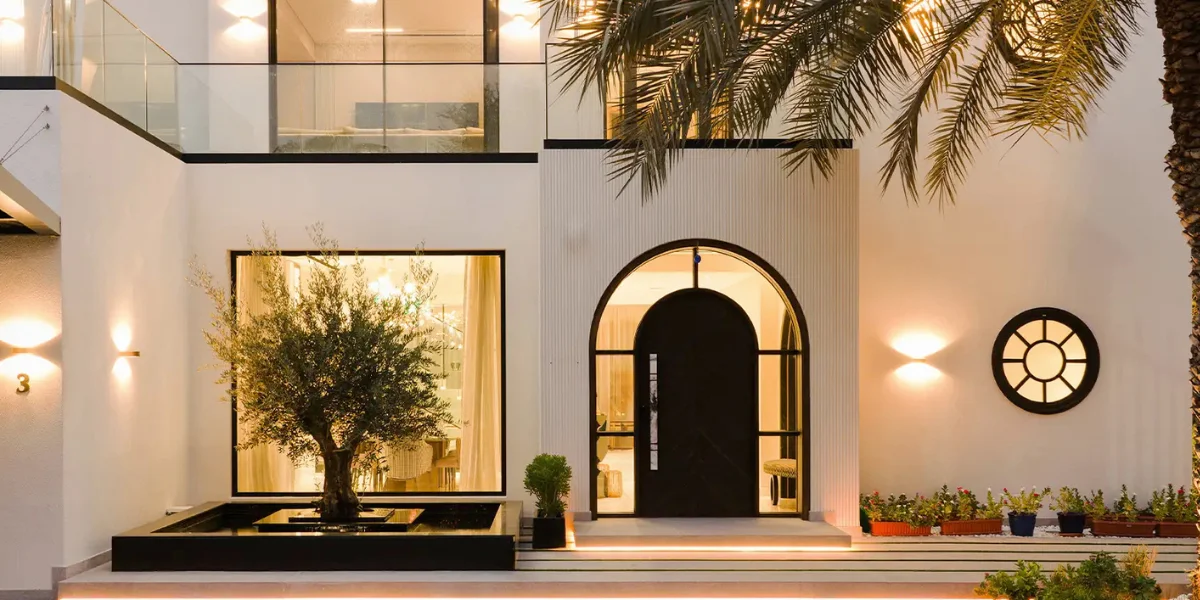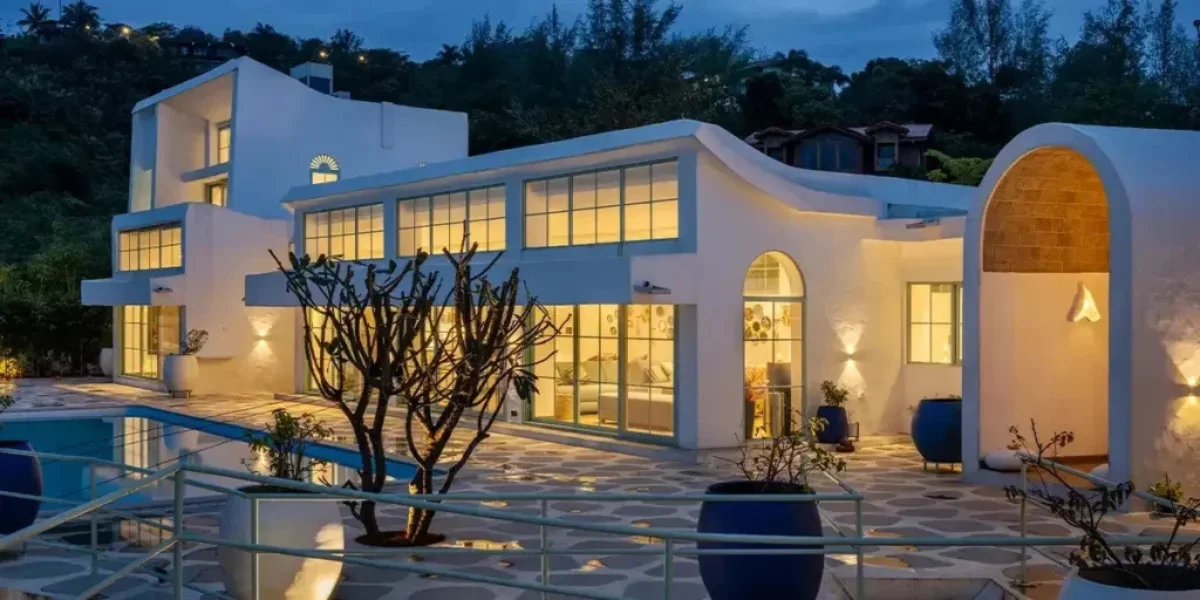
What is the Purpose of Interior Design?
The primary purpose of interior design is to orchestrate a seamless harmony between a physical structure and the human experience. As a leading interior design firm, we believe it goes beyond mere decoration; it is about spatial problem-solving. An expert interior designer evaluates how a space is inhabited to improve daily efficiency and comfort. By defining a specific interior design aesthetic, we transform cold volumes into personalized sanctuaries. Ultimately, the goal is to create luxury interiors that resonate emotionally while fulfilling the functional requirements of the modern inhabitant.Understanding the Importance of Interior Design
The importance of interior design lies in its ability to dictate our quality of life. Beyond visual appeal, interior design importance is rooted in how a layout influences movement and mood. Thoughtful home interior design ensures that a residence isn’t just a house, but a functional home tailored to a client’s lifestyle. When an architect considers the interior design trends alongside structural integrity, the result is a holistic environment. Neglecting this discipline leads to “dead” spaces, whereas prioritizing it ensures every square foot provides maximum utility and beauty.Exploring the Benefits of Interior Design and Wellness
One of the most significant benefits of interior design is the profound Effects Of Interior Design On Wellness. A curated environment can lower cortisol levels and improve mental clarity. By integrating specific interior design styles, such as biophilic or minimalist themes, we enhance the psychological comfort of the occupants. High-end luxury interiors leverage light, air quality, and ergonomic flow to promote physical health. Investing in a professional interior design process ensures that your surroundings actively contribute to your well-being, proving that great design is a pillar of a healthy lifestyle.The Core Elements of Interior Design
To achieve a cohesive look, one must master the seven elements of interior design: space, line, forms, light, color, texture, and pattern. These elements serve as the building blocks for any home interior design project. At our interior design firm, we manipulate these tools to create depth and character. For instance, using light and color strategically can alter the perceived size of a room. Understanding these elements is essential for any interior designer aiming to stay ahead of interior design trends while maintaining a timeless and sophisticated interior design aesthetic.Mastering the Principles of Interior Design
The principles of interior design balance, emphasis, contrast, rhythm, and proportion act as the manual for using design elements effectively. These principles ensure that luxury interiors feel stable and visually engaging rather than cluttered. By applying these rules, we create a focal point that captures attention while maintaining a sense of unity across different interior design styles. Whether we are working on a minimalist loft or a grand estate, adhering to these principles is what distinguishes professional work from amateur efforts, ensuring a polished and functional result every time.
In the world of high-end architecture, there is a common misconception that interior design is merely about “decorating” or picking out expensive fabrics. At Sumessh Menon & Associates, we view it differently. For a premier interior design firm, the true purpose of interior design is to harmonize the architectural shell with the human experience. It is the bridge between a cold structure and a living, breathing sanctuary.
The Core Philosophy: Why Interior Design Matters
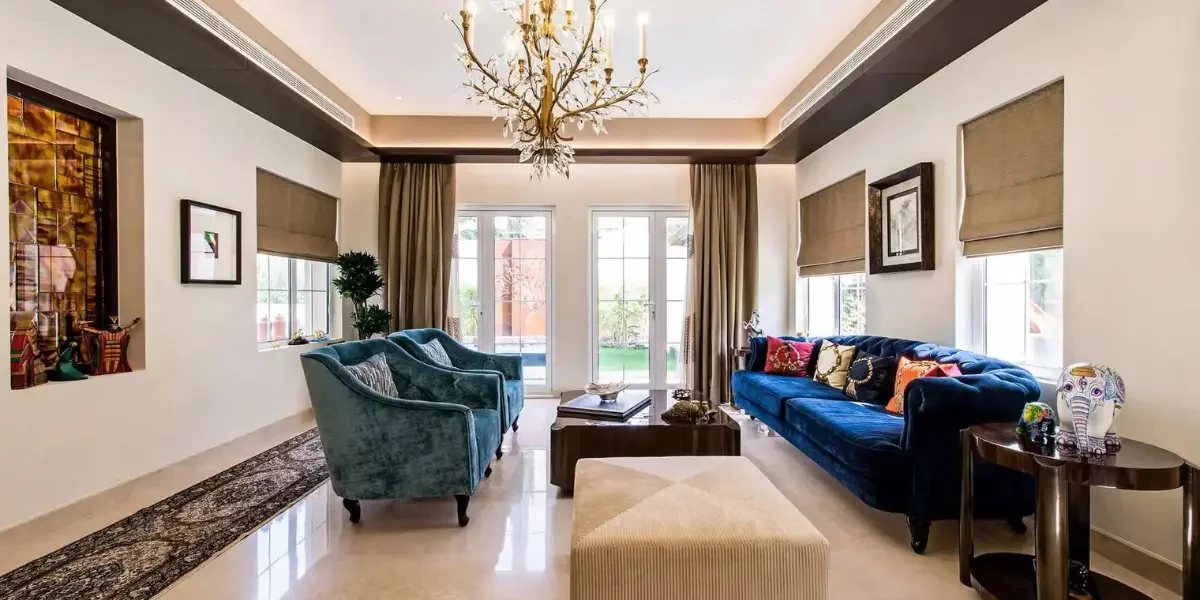
The importance of interior design extends far beyond the visual “wow” factor. It is a disciplined art and science aimed at enhancing the interior of a building to achieve a healthier and more aesthetically pleasing environment for the people using the space.
1. Enhancing Functionality
The primary purpose of interior design is to make a space fit for its intended use. A beautiful room that doesn’t function is a failure of design. Whether it’s a sprawling luxury interior or a compact urban apartment, effective design ensures that every square inch serves a purpose, improving the flow of daily life.
2. The Effects of Interior Design on Wellness
We spend roughly 90% of our lives indoors. Consequently, the Effects Of Interior Design On Wellness cannot be overstated. From the psychological impact of color palettes to the physiological benefits of ergonomic furniture and natural lighting, a well-designed space reduces stress and fosters mental clarity.
The Building Blocks: Elements and Principles
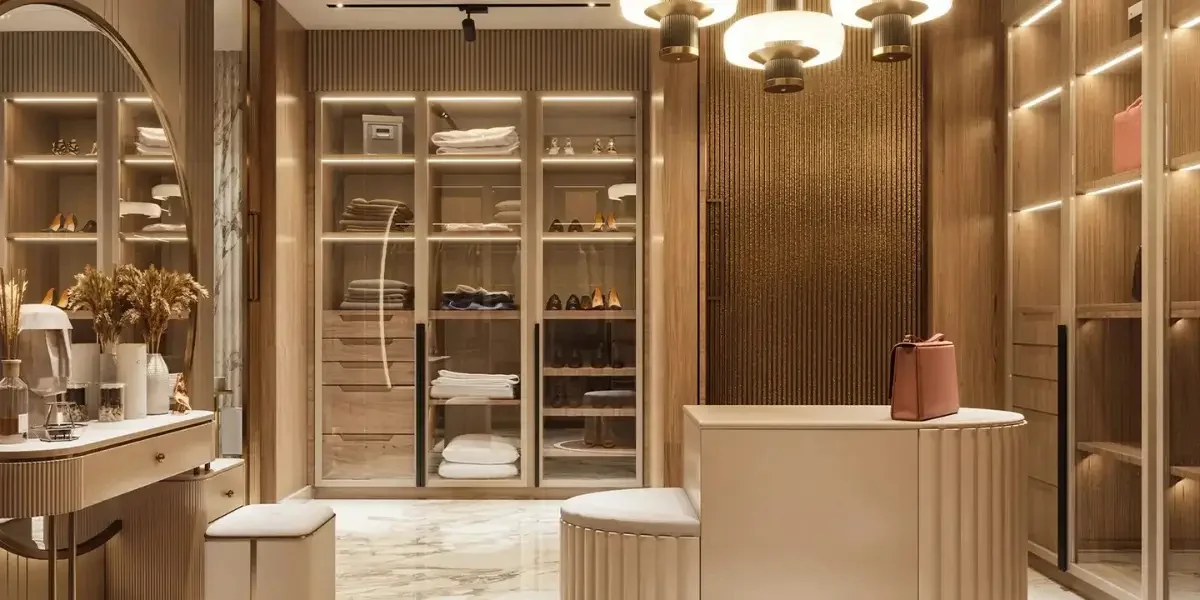
To understand the interior design importance, one must look at the technical framework that guides every project at Sumessh Menon & Associates.
The 7 Elements of Interior Design
The elements of interior design act as the “tools” in a designer’s kit. They include:
1. Space:
The foundation of any plan.
The foundation of any plan.
2. Line:
Creating direction and structure.
Creating direction and structure.
3. Forms:
The shapes of the objects within the room.
The shapes of the objects within the room.
4. Light:
Both natural and man-made.
Both natural and man-made.
5. Color:
Setting the mood and perception of size.
Setting the mood and perception of size.
6. Texture:
Adding depth and tactile interest.
Adding depth and tactile interest.
7. Pattern:
Bringing personality and life.
Bringing personality and life.
The Principles of Interior Design
If elements are the tools, the principles of interior design are the rules for using them. We focus on:
1. Balance:
Distributing visual weight.
Distributing visual weight.
2. Emphasis:
Creating a focal point (like a bespoke chandelier or a piece of art).
Creating a focal point (like a bespoke chandelier or a piece of art).
3. Contrast:
Using opposites to create interest.
Using opposites to create interest.
4. Scale and Proportion:
Ensuring furniture fits the volume of the room.
Ensuring furniture fits the volume of the room.
Defining Your Interior Design Aesthetic
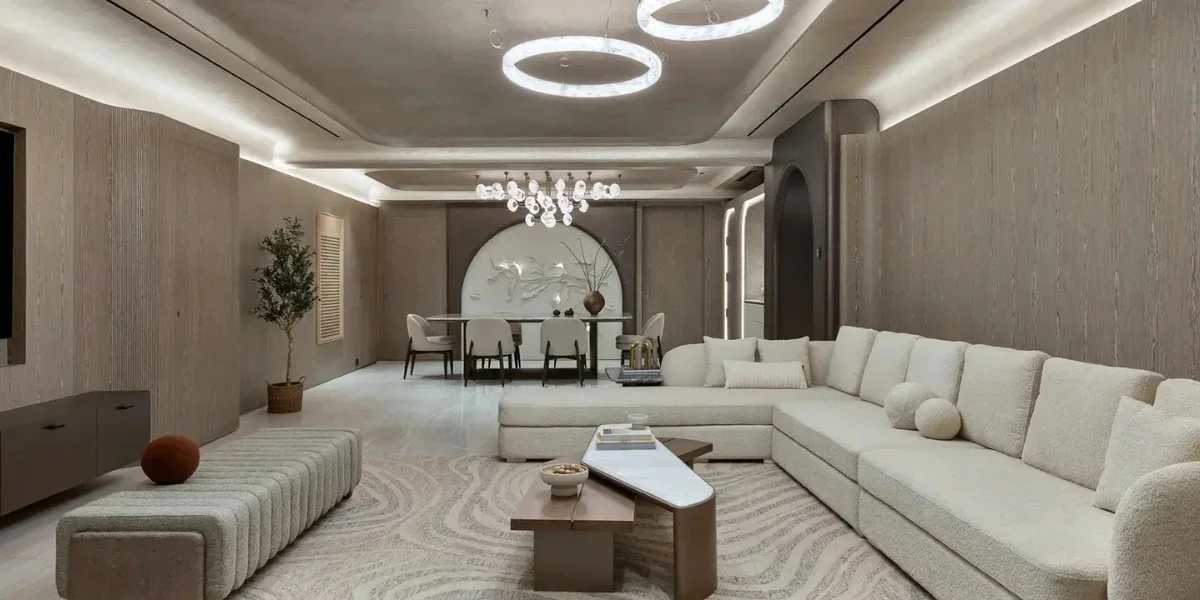
Every client has a unique story. The interior design aesthetic is the visual language used to tell that story. In the realm of home interior design, this might range from the sleek lines of modern minimalism to the rich textures of eclectic maximalism.
Popular Interior Design Styles
Understanding different interior design styles helps clients articulate their vision. Some enduring favorites include:
1. Contemporary:
Ever-evolving, focusing on current trends and sleek finishes.
Ever-evolving, focusing on current trends and sleek finishes.
2. Industrial:
Celebrating raw materials like wood, brick, and steel.
Celebrating raw materials like wood, brick, and steel.
3. Mid-Century Modern:
A blend of organic shapes and functional design.
A blend of organic shapes and functional design.
4. Art Deco:
The epitome of luxury interiors, featuring bold geometry and metallic accents.
The epitome of luxury interiors, featuring bold geometry and metallic accents.
The Benefits of Interior Design
Why hire a professional interior designer? The benefits of interior design go beyond a pretty Pinterest board:
1. Increased Property Value:
A curated interior significantly boosts the market value of a home or commercial space.
A curated interior significantly boosts the market value of a home or commercial space.
2. Sustainability:
Modern design incorporates eco-friendly materials and energy-efficient layouts.
Modern design incorporates eco-friendly materials and energy-efficient layouts.
3. Personalized Expression:
Your home becomes a reflection of your soul, not just a catalog replica.
Your home becomes a reflection of your soul, not just a catalog replica.
4. Space Optimization:
Even the most awkward corners become functional assets.
Even the most awkward corners become functional assets.
The Interior Design Process at Sumessh Menon & Associates
A structured interior design process is what separates a chaotic renovation from a seamless transformation. At our firm, we follow a rigorous path:
1. Phase 1:
Programming & Discovery: Understanding the client’s lifestyle and goals.
Programming & Discovery: Understanding the client’s lifestyle and goals.
2. Phase 2:
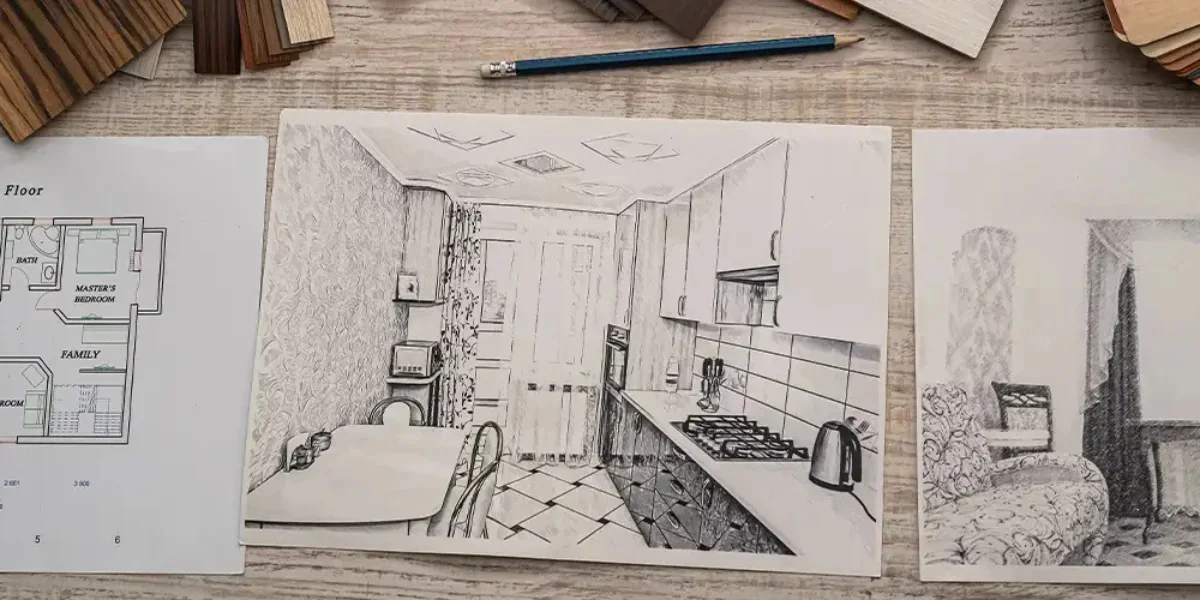
Concept Development: Creating mood boards and initial sketches.
Concept Development: Creating mood boards and initial sketches.
3. Phase 3:
Design Development: Refining layouts and selecting specific materials.
Design Development: Refining layouts and selecting specific materials.
4. Phase 4:
Execution & Project Management: Bringing the vision to life with precision.
Execution & Project Management: Bringing the vision to life with precision.
Current Interior Design Trends
While we believe in timelessness, staying updated on interior design trends allows us to innovate. Currently, we are seeing a shift toward:
1. Biophilic Design:
Bringing the outdoors in.
Bringing the outdoors in.
2. Curated Maximalism:
Celebrating collections and bold colors.
Celebrating collections and bold colors.
3. Multi-functional Spaces:
Rooms that pivot from home offices to guest suites.
Rooms that pivot from home offices to guest suites.
Conclusion: The Ultimate Goal
Ultimately, the purpose of interior design is to improve the quality of life. It is the marriage of soul and structure. When you walk into a space designed by Sumessh Menon & Associates, you shouldn’t just see the luxury; you should feel the harmony.
Whether you are looking for a complete overhaul or a refined touch-up, understanding the importance of interior design is the first step toward living in a space that truly resonates with who you are.
FAQ's
Interior design is essential because it optimizes the functionality of a space while enhancing the psychological well-being of its occupants. Beyond aesthetics, it ensures that a room’s layout, lighting, and acoustics work in harmony to improve quality of life and productivity. By balancing safety, accessibility, and personal style, good interior design transforms a basic structure into a purposeful environment that reflects the inhabitant’s identity and supports their daily needs.
In 2026, the latest trends focus on “Biophilic Maximalism” and “Sustainable Luxury,” where high-tech smart homes meet raw, organic materials. We are seeing a shift toward “Warm Minimalism,” utilizing earthy palettes and tactile textures like bouclé and reclaimed wood. Additionally, “Multi-functional Zones” have become a priority, with integrated modern indoor flower pots and greenery being used to create natural partitions in open-plan living spaces.
The interior design process is a structured journey that begins with a “Programming Phase” to understand the client’s needs, followed by “Schematic Design” where the initial design concept and mood boards are created. Next, the “Design Development” phase refines layouts and selects specific materials, leading into “Contract Administration” for the actual construction and installation. The final step is the “Styling and Handover,” where finishing touches like decorative indoor flower pots are placed to complete the vision.
Interior design maximizes space functionality and enhances your quality of life by balancing aesthetics with psychological comfort. It significantly increases property value while ensuring that lighting, color, and layout work together to reduce stress and boost daily productivity.
Designers utilize a diverse palette including natural stones like marble, warm timbers, and versatile textiles such as organic cotton or velvet. They also incorporate metals for accents and sustainable materials like bamboo to create durable, visually stunning, and eco-friendly environments.