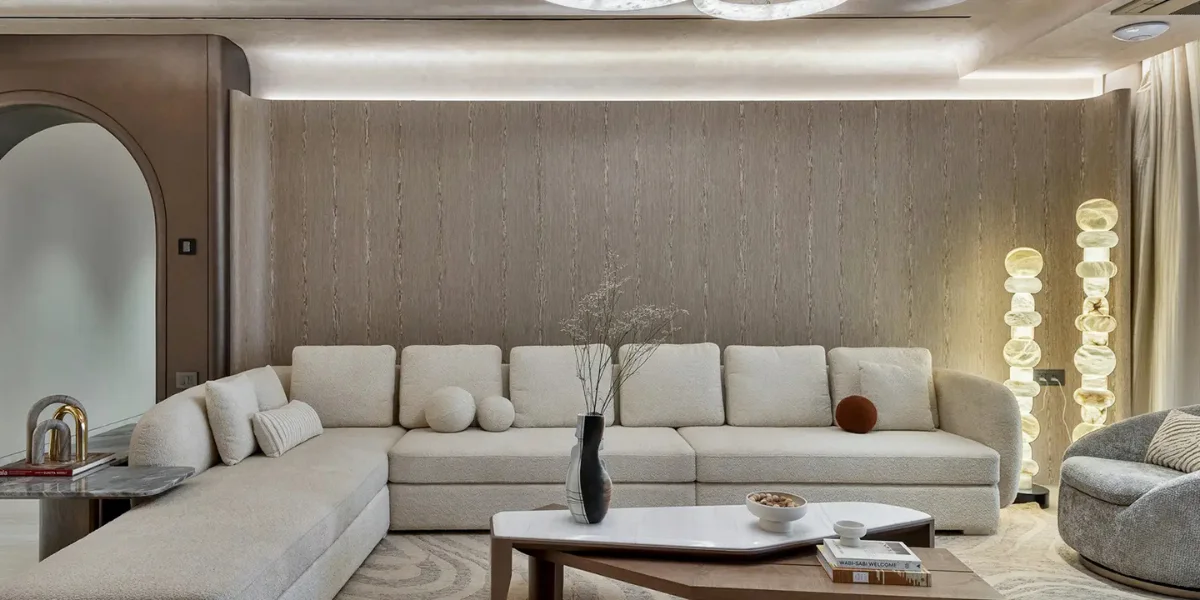

India’s architecture and interior design landscape is evolving rapidly. Today, Indian homes, offices, hospitality spaces and luxury residences are moving beyond conventional aesthetics to embrace architectural interior design styles that balance functionality, cultural identity, sustainability and contemporary design.
From warm minimalism and biophilic interiors to locally inspired materials, smart technology and highly personalised spaces, the future of Indian design is being shaped by a combination of global influences and distinctly Indian sensibilities.
For homeowners and businesses, choosing the right architectural interior designer is increasingly about more than creating visually attractive spaces. It involves understanding how architecture, interiors, materials, lighting, furniture and lifestyle can work together as one cohesive experience.
This guide explores the most important architecture and interior design trends shaping India today, along with the design principles that are likely to influence the country’s built environment in the years ahead.
What Is Architectural Interior Design?
Architectural interior design brings together the principles of architecture and interior design to create spaces that are cohesive from structure to finishing.
Instead of treating architecture and interiors as separate stages, an architectural interior designer considers the relationship between:
- Spatial planning
- Building structure
- Circulation
- Natural light and ventilation
- Materials and finishes
- Furniture
- Lighting
- Colour palettes
- Landscape
- Technology
- User lifestyle
This integrated approach allows designers to create spaces where the architecture naturally transitions into the interiors.
For example, the placement of a window can influence the interior lighting strategy, while the architectural proportions of a room can determine furniture scale, ceiling treatments and material selections.
The result is a more unified design language.
Why Is Architectural Interior Design Becoming More Important in India?
Indian clients are increasingly looking for homes and commercial environments that feel distinctive rather than following a standard design template.
Luxury residences, boutique hospitality projects, corporate offices and premium retail environments are demanding greater attention to detail and customisation.
This is where architectural interior design becomes valuable.
An integrated design approach can help ensure that every element, from the building envelope to the smallest interior detail, contributes to the same visual and functional story.
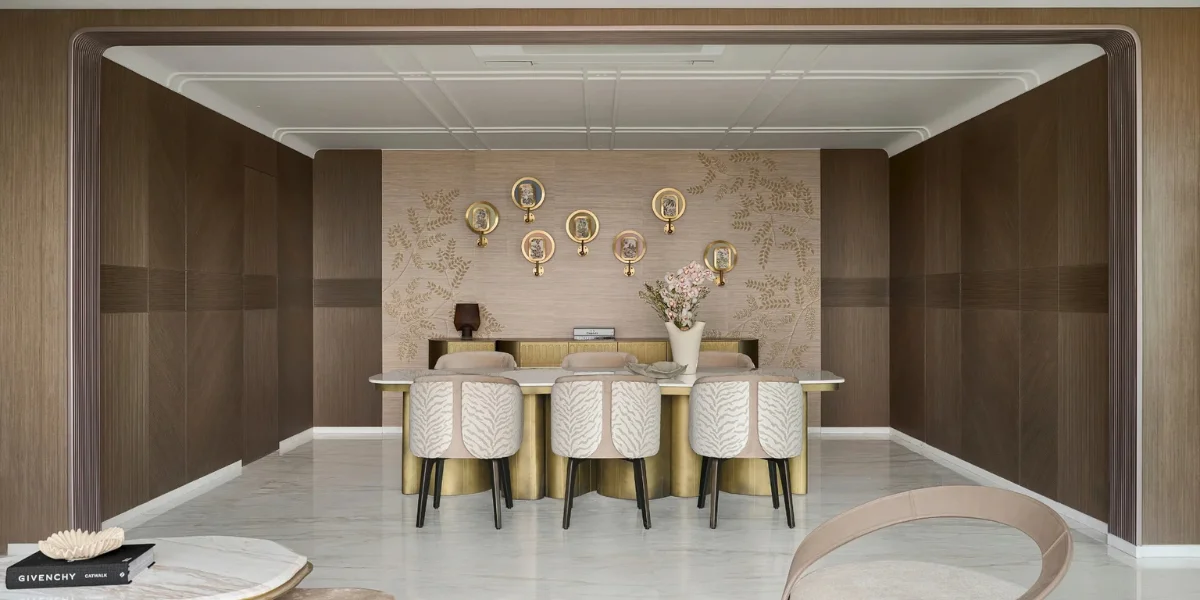
Key Architecture and Interior Design Trends in India
India is not following one single design trend. Instead, several architectural and interior movements are developing simultaneously.
The most influential trends include:
- 1. Warm minimalism
- 2. Biophilic design
- 3. Sustainable architecture and interiors
- 4. Indian materiality and craftsmanship
- 5. Contemporary interpretations of traditional design
- 6. Curved architectural forms
- 7. Indoor-outdoor living
- 8. Smart homes and technology-integrated interiors
- 9. Personalised luxury
- 10. Multifunctional spaces
- 11. Experiential hospitality design
- 12. Wellness-focused interiors
Let’s explore these trends in greater detail.
1. Warm Minimalism Is Replacing Cold Minimalism
Minimalism has been an important influence on contemporary Indian interiors, but its character is changing.
Earlier interpretations often relied on stark white spaces, sharp geometry and limited decoration. Today’s version is warmer, softer and more tactile.
Warm minimalism combines clean architectural lines with:
- Natural wood
- Stone
- Textured fabrics
- Soft lighting
- Earthy colours
- Handmade objects
- Layered textures
- Statement furniture
The objective is not to create an empty space but a calm environment where every element has a purpose.
In Indian homes, warm minimalism works particularly well because it allows contemporary architecture to coexist with traditional materials and craftsmanship.
FAQ: What is warm minimalism in Indian interior design?
Warm minimalism combines the simplicity of minimal design with natural materials, tactile textures, warm colours and comfortable furnishings. It creates interiors that feel refined without appearing cold or overly sparse.
2. Biophilic Design Is Bringing Nature Indoors
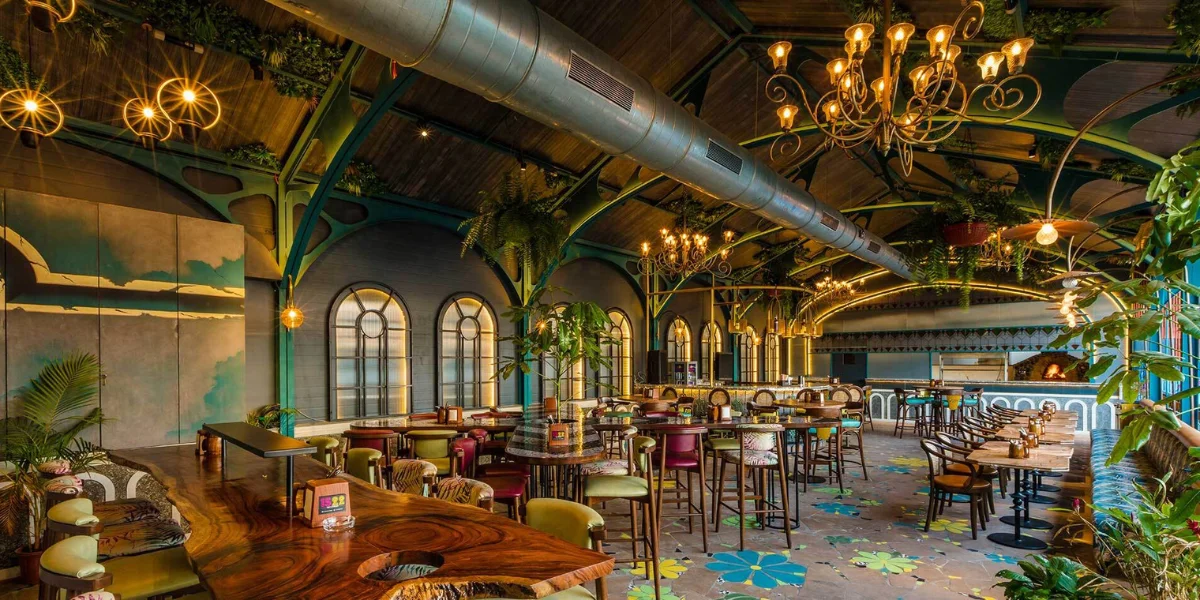
One of the strongest trends influencing modern architecture is the relationship between built spaces and nature.
Biophilic design incorporates natural elements into architecture and interiors through:
- Indoor plants
- Courtyards
- Green walls
- Natural ventilation
- Large windows
- Water features
- Natural stone
- Timber
- Daylight
- Outdoor terraces
The Indian climate provides interesting opportunities for this approach.
Courtyards, verandahs, balconies, shaded gardens and semi-open spaces can become important components of residential and hospitality design.
Rather than simply adding plants as decoration, designers are increasingly considering nature as part of the architectural experience.
3. Sustainability Is Becoming a Design Principle
Sustainability is no longer limited to solar panels or energy-efficient appliances.
Contemporary Indian architecture is increasingly considering sustainability from the earliest stages of design.
This includes:
- Passive design strategies
- Natural ventilation
- Daylight optimisation
- Locally sourced materials
- Recycled and reclaimed materials
- Water management
- Energy-efficient lighting
- Durable finishes
- Climate-responsive architecture
A sustainable space should ideally reduce environmental impact while improving comfort and functionality.
For an architectural interior designer, this means material selection, spatial planning, lighting and environmental considerations need to work together.
FAQ: How is sustainability influencing Indian architecture and interiors?
Sustainability is influencing everything from material selection and energy efficiency to natural ventilation, daylight, water management and the reuse of existing materials. The focus is increasingly on creating spaces that remain environmentally responsible and comfortable over the long term.
4. Indian Materials and Craftsmanship Are Making a Comeback
One of the most exciting developments in Indian design is the renewed appreciation for local materials and traditional craftsmanship.
Indian stone, timber, terracotta, brass, cane, lime plaster, textiles and handcrafted surfaces can add a strong sense of identity to contemporary interiors.
The important shift is that traditional materials are no longer necessarily being used in traditional ways.
Designers are combining them with modern architectural forms to create spaces that feel both rooted and contemporary.
For example:
Traditional material + contemporary geometry = modern Indian design language
This approach allows interiors to reflect their geographical and cultural context without becoming overly traditional.
5. Contemporary Indian Design Is Blending Tradition With Modernity
India has an exceptionally rich architectural heritage.
From Mughal and colonial influences to regional vernacular architecture, temple architecture and traditional courtyard homes, the country offers a vast design vocabulary.
Contemporary designers are reinterpreting these influences rather than simply replicating them.
This can appear through:
- Arched openings
- Jali-inspired screens
- Courtyard planning
- Traditional patterns
- Indian artwork
- Handcrafted furniture
- Regional materials
- Artisanal techniques
The result is an architectural language that feels connected to India while remaining relevant to contemporary lifestyles.
6. Curves Are Softening Contemporary Architecture
Straight lines and rigid geometry have long dominated modern architecture.
Curved walls, rounded furniture, arched openings and sculptural forms are now becoming increasingly prominent.
Curves can:
- Soften large spaces
- Improve visual flow
- Create movement
- Add architectural character
- Make spaces feel more organic
This trend is particularly visible in luxury residential interiors, hospitality spaces and contemporary commercial environments.
Curves are not simply decorative. They can influence circulation and spatial experience when incorporated thoughtfully into architectural planning.
7. Indoor-Outdoor Living Is Becoming More Important
Indian architecture has traditionally understood the value of transitional spaces.
Courtyards, verandahs, balconies and terraces have historically created connections between indoor and outdoor environments.
Contemporary design is reinterpreting this principle through:
- Floor-to-ceiling glazing
- Sliding doors
- Open terraces
- Landscaped courtyards
- Outdoor living rooms
- Garden-facing bedrooms
- Poolside spaces
The objective is to make the transition between architecture and landscape feel seamless.
For luxury residences especially, outdoor spaces are increasingly treated as extensions of the interior rather than leftover areas around the building.
FAQ: Why is indoor-outdoor design becoming popular in Indian homes?
Indoor-outdoor design expands the usable living environment while improving access to daylight, greenery and fresh air. Large openings, terraces, courtyards and landscaped areas can create a stronger relationship between architecture and nature.
8. Smart Technology Is Becoming Part of Interior Architecture
Technology is becoming increasingly integrated into the built environment.
Modern homes and commercial spaces may incorporate:
- Automated lighting
- Motorised curtains
- Smart climate control
- Home entertainment systems
- Security systems
- Voice-controlled devices
- Automated shading
- Energy monitoring
The important design trend is moving technology from being visibly dominant to becoming increasingly discreet.
A successful smart interior allows technology to improve comfort without overwhelming the visual character of the space.
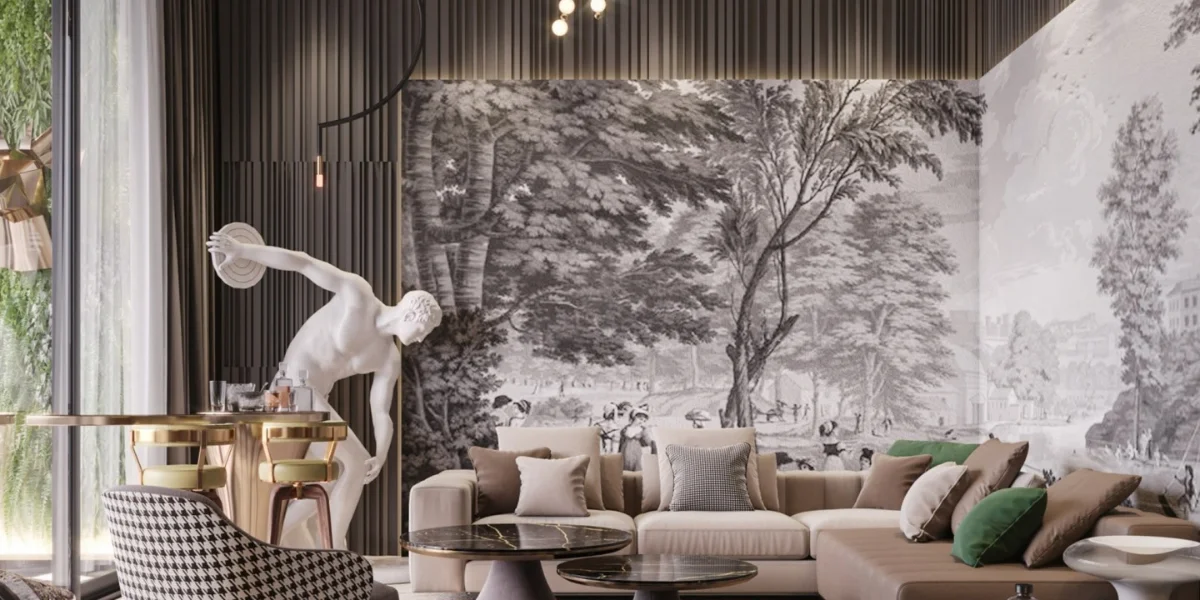
9. Personalised Luxury Is Replacing Standardised Luxury
Luxury interiors are becoming more personal.
Instead of simply using expensive materials, contemporary luxury focuses on creating spaces that reflect the owner’s personality, lifestyle and experiences.
This can involve:
- Custom furniture
- Bespoke lighting
- Art collections
- Unique material combinations
- Personal objects
- Custom architectural details
- Curated accessories
This is an important distinction.
Luxury is increasingly about individuality rather than excess.
The most successful high-end interiors often feel sophisticated because they are carefully edited rather than heavily decorated.
10. Multifunctional Spaces Are Becoming Essential
Urban Indian homes are changing.
With increasing demands for work-from-home spaces, entertainment areas, fitness zones and flexible family spaces, rooms increasingly need to perform multiple functions.
Examples include:
- Home office + library
- Guest room + workspace
- Living room + entertainment area
- Kitchen + social space
- Balcony + outdoor lounge
- Study + creative studio
Flexible furniture, sliding partitions and thoughtful spatial planning can allow one room to adapt to different requirements.
11. Hospitality Design Is Becoming More Experiential
Hotels, restaurants, cafés and resorts are increasingly competing through experience rather than simply amenities.
Architecture and interiors are therefore being designed to create memorable environments.
This can involve:
- Dramatic entrances
- Signature lighting
- Sculptural furniture
- Bespoke materials
- Local art
- Sensory experiences
- Strong visual identities
- Instagram-friendly architectural moments
However, experiential design works best when aesthetics are supported by functionality.
A beautiful space must still be comfortable, intuitive and operationally efficient.
12. Wellness Is Influencing Residential Architecture
Wellness is becoming an important consideration in residential design.
Modern homes are increasingly incorporating spaces and features that support physical and mental wellbeing.
These may include:
- Natural daylight
- Greenery
- Quiet zones
- Meditation spaces
- Home gyms
- Spa-inspired bathrooms
- Better ventilation
- Natural materials
- Outdoor areas
This trend represents a broader shift toward designing homes around how people want to live, rather than simply how spaces should look.
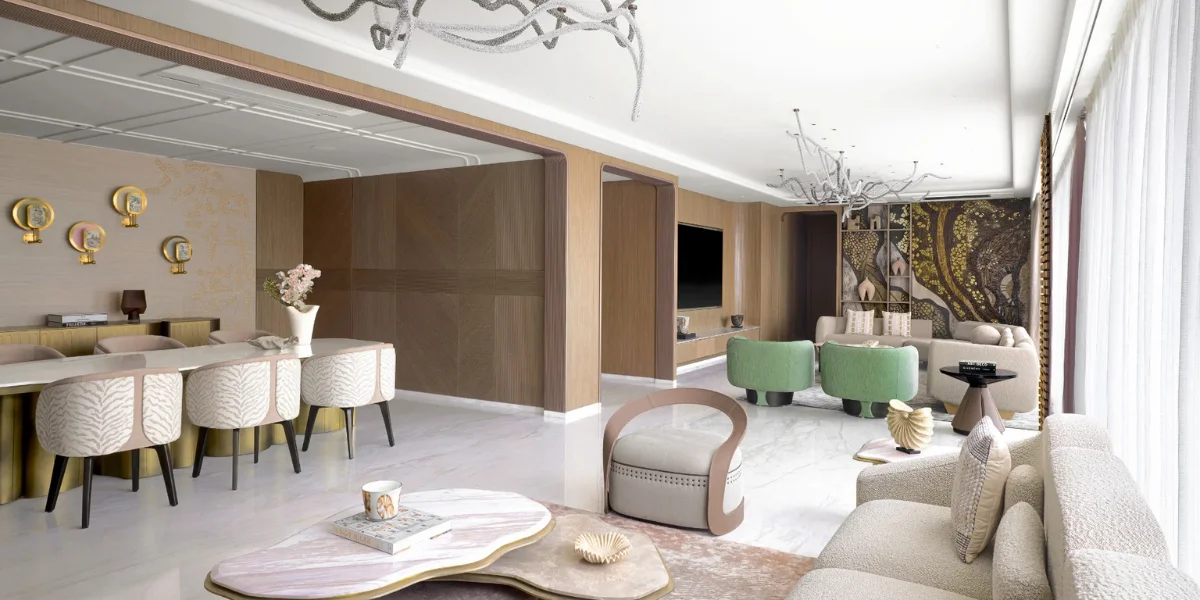
The Rise of Distinctive Architectural Interior Design Styles
India’s design landscape is becoming increasingly diverse.
Some of the most influential architectural interior design styles include:
Contemporary Indian
A combination of modern planning, Indian materials, craftsmanship and cultural references.
Modern Minimalist
Clean forms, restrained palettes and functional spaces with minimal visual clutter.
Luxury Contemporary
Sophisticated materials, bespoke details, layered lighting and highly curated interiors.
Biophilic
Nature-driven architecture incorporating plants, daylight, natural materials and outdoor connections.
Modern Traditional
Traditional Indian design elements reinterpreted through contemporary architecture.
Industrial Contemporary
Exposed materials, metal, concrete, dramatic lighting and functional detailing.
A combination of Japanese simplicity and Scandinavian warmth, adapted to Indian lifestyles and materials.
The most interesting projects often combine multiple influences instead of adhering rigidly to one style.
How Indian Architecture Is Becoming More Contextual
One of the most important changes in Indian architecture is the movement away from generic global aesthetics.
A home in Mumbai does not necessarily need to look like a home in Dubai.
A resort in Rajasthan should respond differently to its environment than an apartment in Bengaluru.
Context can influence:
- Climate response
- Material choices
- Orientation
- Landscape
- Cultural references
- Light
- Ventilation
- Spatial planning
This creates architecture that feels connected to its location.
What Should You Look for in an Architectural Interior Designer?
Choosing the right designer is an important part of creating a successful project.
Look for an architectural interior designer who understands both aesthetics and functionality.
Important considerations include:
1. Design Philosophy
Does the designer have a clear approach to architecture and interiors?
2. Portfolio
Does their portfolio demonstrate experience across different scales and project types?
3. Contextual Thinking
Do they adapt the design to the site, climate, culture and lifestyle?
4. Material Expertise
Do they understand materials, finishes, craftsmanship and detailing?
5. Integrated Approach
Can architecture, interiors, lighting, furniture and landscape work together?
6. Attention to Detail
Luxury is often visible in the details—from junctions and proportions to material transitions and lighting.
7. Personalisation
Can the designer translate the client’s personality and requirements into the design?
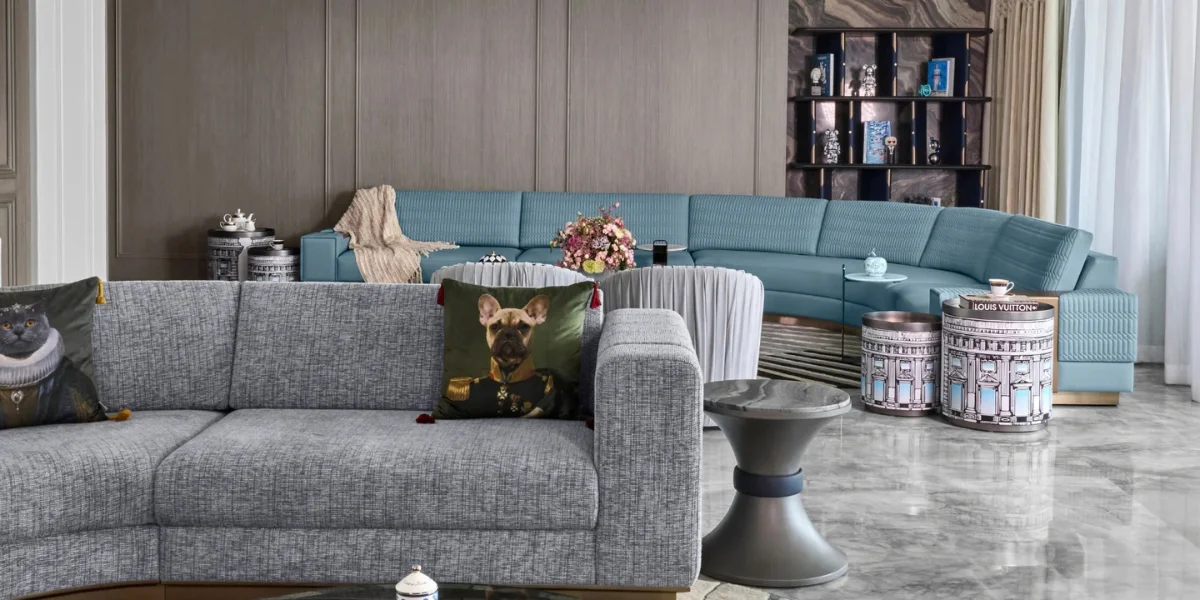
Why Integrated Architecture and Interior Design Matters
Architecture creates the framework of a space.
Interior design shapes how that space is experienced.
When the two disciplines are developed together, the result can be significantly more cohesive.
Consider a luxury residence.
The architectural planning determines the proportions, windows, circulation and relationship with the landscape. Interior design then builds upon this foundation through materials, lighting, furniture and detailing.
When these decisions are made independently, visual conflicts can emerge.
When they are considered together, architecture and interiors can become part of one continuous design narrative.
The Future of Architecture and Interior Design in India
The future of Indian design is likely to be defined by personalisation, sustainability, technology and context.
We are likely to see greater integration of:
- Climate-responsive architecture
- Sustainable materials
- Smart-home technology
- Biophilic design
- Indian craftsmanship
- Flexible spaces
- Wellness-focused planning
- Bespoke interiors
- Indoor-outdoor living
- Local cultural influences
At the same time, the distinction between architecture, interiors, landscape and product design will continue to become less rigid.
The future belongs to spaces where every element contributes to a larger experience.
Sumessh Menon Associates: Designing Architecture and Interiors as One Experience
At Sumessh Menon Associates, architecture and interior design can be approached as interconnected components of a single design vision.
Rather than treating interiors as an afterthought to architecture, an integrated design approach considers the relationship between space, material, light, proportion, furniture and lifestyle from the beginning.
This philosophy allows each project to develop its own architectural and interior identity while remaining functional, contextual and visually distinctive.
For clients exploring India’s leading design practices, the focus should not only be on identifying India’s top architect interior designers, but also on finding a studio whose design philosophy aligns with the project’s requirements, context and aspirations.
Conclusion
Architecture and interior design in India are entering an exciting period of transformation.
The strongest emerging trends are not simply about what looks fashionable. They reflect broader changes in how people live, work, relax and interact with their surroundings.
From warm minimalism and biophilic architecture to sustainable materials, Indian craftsmanship, smart technology and personalised luxury, contemporary Indian design is becoming more thoughtful and contextual.
Ultimately, the best architectural interior design styles are not defined by trends alone. They are defined by how successfully architecture, interiors, materials, technology and human experience come together.
A skilled architectural interior designer can transform these principles into spaces that are not only visually compelling but also meaningful, functional and designed to last.
FAQs
1. What are the latest architecture and interior design trends in India?
The latest trends include warm minimalism, biophilic design, sustainable materials, Indian craftsmanship, indoor-outdoor living, smart-home technology, personalised luxury, multifunctional spaces and wellness-focused interiors.
2. What are the most popular architectural interior design styles in India?
Popular architectural interior design styles include contemporary Indian, modern minimalist, luxury contemporary, biophilic, modern traditional and industrial contemporary. Many designers combine these influences to create personalised and context-sensitive spaces.
3. What does an architectural interior designer do?
An architectural interior designer brings architecture and interior design together by considering spatial planning, materials, lighting, furniture, functionality, circulation and aesthetics as part of one cohesive design approach.
4. How do I choose an architectural interior designer in India?
Look for a designer with a strong portfolio, clear design philosophy, material expertise, contextual understanding and experience integrating architecture with interiors. The designer should also be able to create personalised spaces based on the client’s lifestyle and requirements.
5. What does Sumessh Menon Associates specialise in?
Sumessh Menon Associates specialises in architecture and interior design, creating integrated spaces where architectural planning, interiors, materials, lighting and functionality work together as a cohesive design experience.
6. Why choose Sumessh Menon Associates for an architecture and interior design project?
Sumessh Menon Associates focuses on creating distinctive design solutions that respond to the project’s context, architectural character and client requirements. Its integrated approach brings architecture and interiors together to create thoughtful, functional and visually cohesive spaces.